Barn Construction in Ontario: A Step-by-Step Timeline from Building Poles to a Finished Barn
Embarking on a barn construction project in Ontario can be a rewarding journey, filled with the promise of creating a versatile and valuable structure tailored to your needs. Whether you’re dreaming of a space to house livestock, store equipment, or create a multi-purpose facility, understanding the barn construction timeline is crucial. In this guide, we’ll walk you through each step of the process, from the groundbreaking stage of setting building poles to the satisfying completion of your barn.
Planning Your Barn Construction in Ontario
Before the first pole touches the soil, diligent planning sets the foundation for a successful barn build. Begin by identifying your specific requirements: the barn’s purpose, size, and budget constraints. Selecting the right location on your property is vital, as it affects accessibility and functionality.
Researching and choosing between different construction options is a pivotal step. Some might opt for fully customized barns, while others may find prefab barn kits Canada more convenient and cost-effective. Also, securing necessary permits and approvals from local authorities is essential to avoid any compliance issues later on.
Step 1: Building Poles
With the groundwork laid and approvals in hand, it’s time to break ground. The first physical milestone is the installation of building poles. These structures form the skeleton around which your barn will take shape.
Consider investing in high-quality materials to ensure durability against Ontario’s diverse weather conditions. Many opt for pole barn kits in Ontario that provide pre-measured, pre-cut materials, simplifying the initial steps.
Handy tip: Before setting the poles, double-check alignment and spacing to avoid costly corrections later. Achieving the desired stability and uprightness involves secure bracing and methodical leveling.
Framing and Infrastructure
Upon completing the pole installation, the next phase focuses on constructing the framework. This involves setting up the roof trusses, adding side beams, and ensuring structural integrity. By this stage, you’ll begin seeing the barn’s outline, providing a visual testament to your progress.
Selecting the right roofing materials is paramount. The Canadian Construction Association – Pole Barn Roofing Options can offer insightful advice on durable and efficient materials suited for your needs. The goal is to achieve a balance between aesthetics, durability, and cost.
Step 2: Adding Walls and Roof
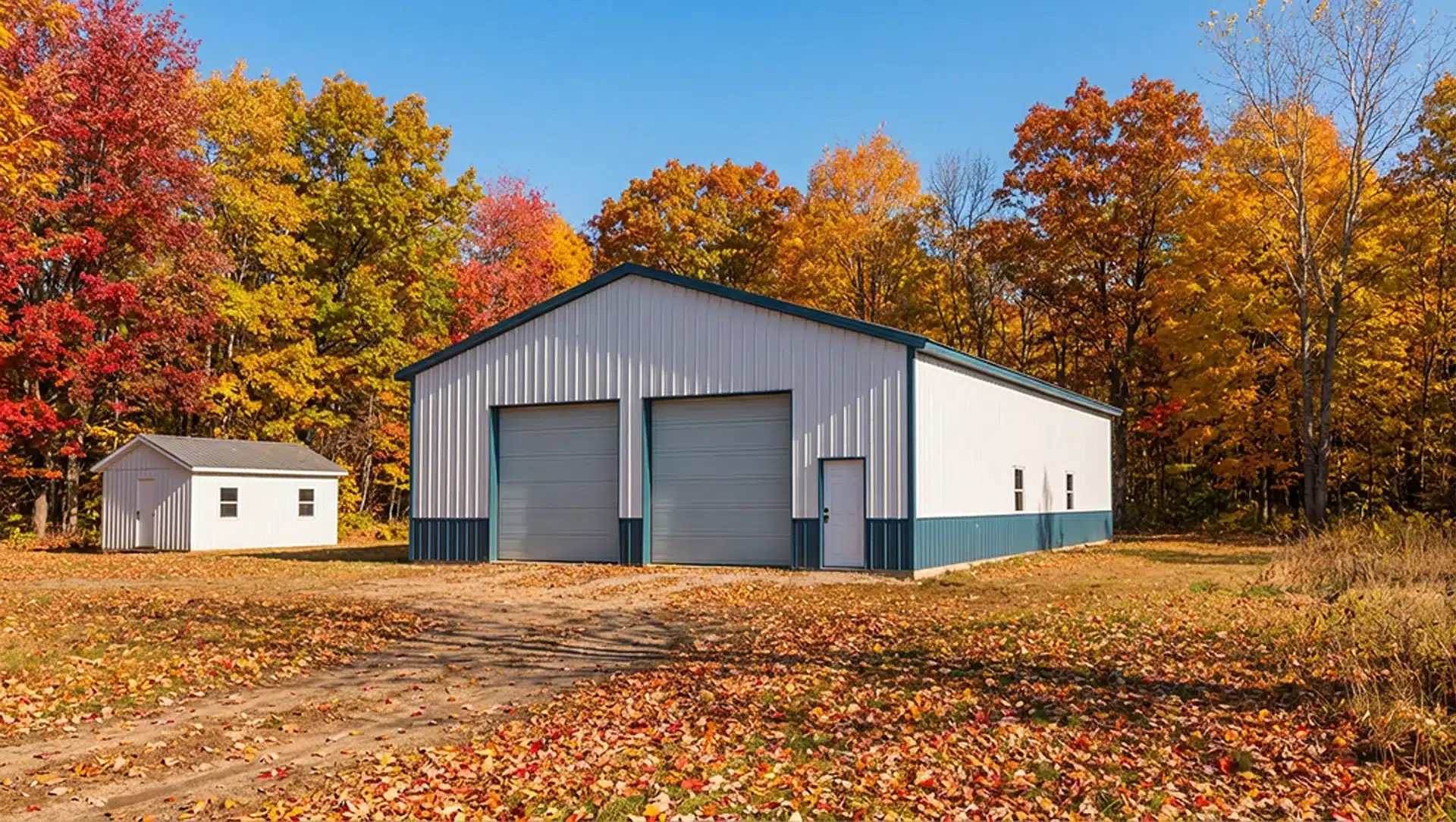
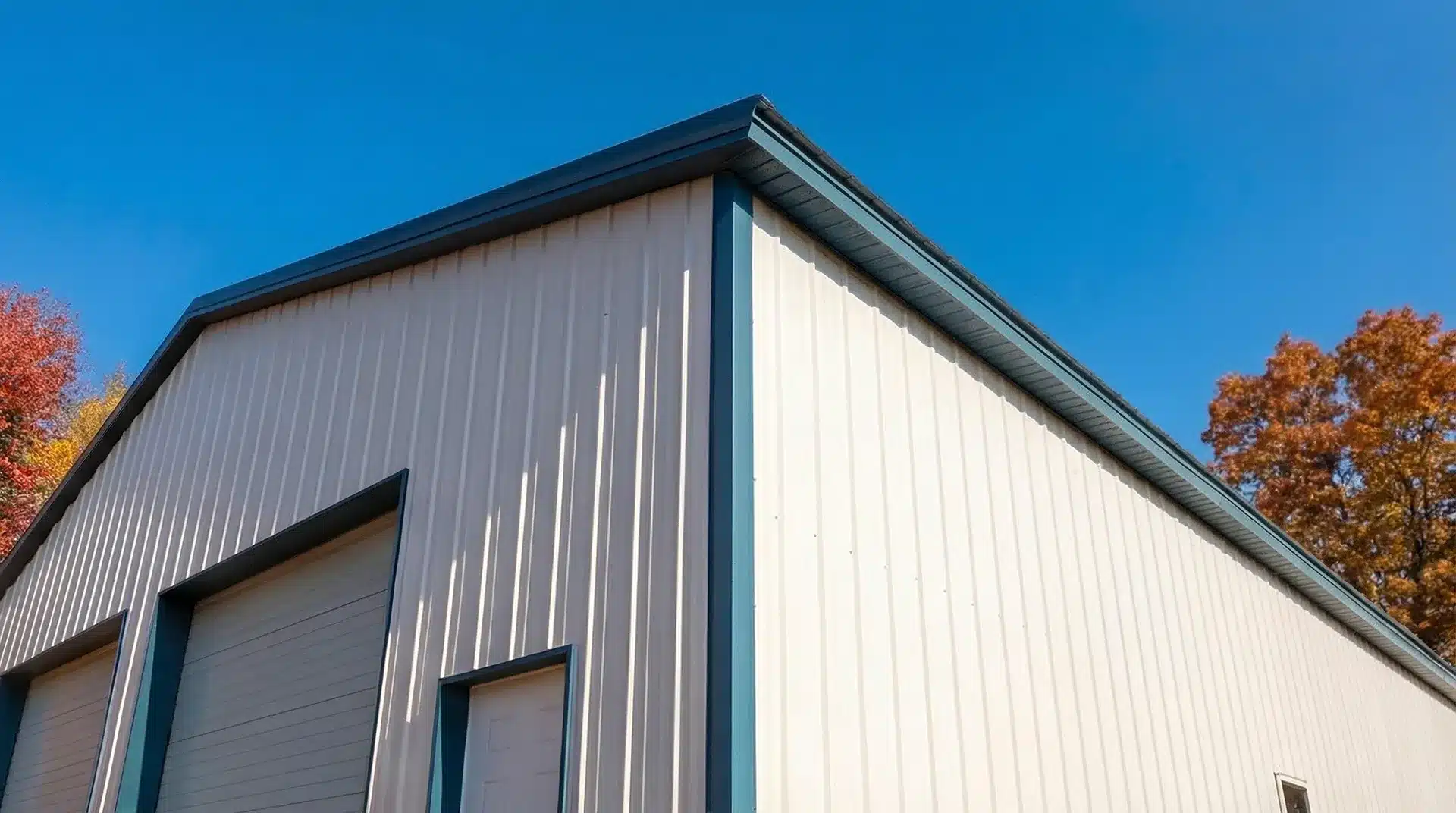
Next, attention shifts to closing the walls and installing the roof. Begin by selecting siding options that align with both durability and design preferences. Metal siding is a popular choice, offering longevity and ease of maintenance. Coupled with a robust roofing system, this ensures your barn is weather-ready.
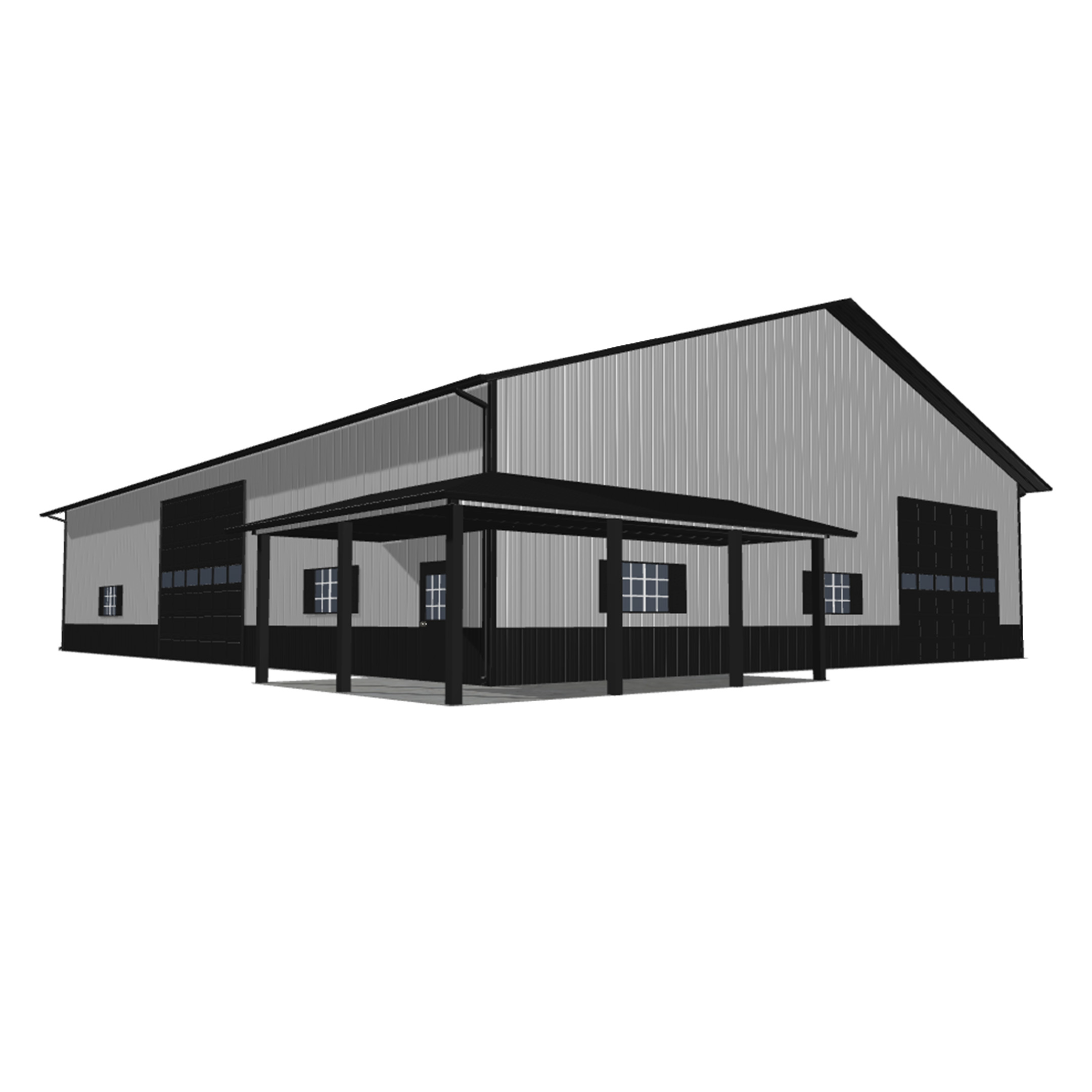
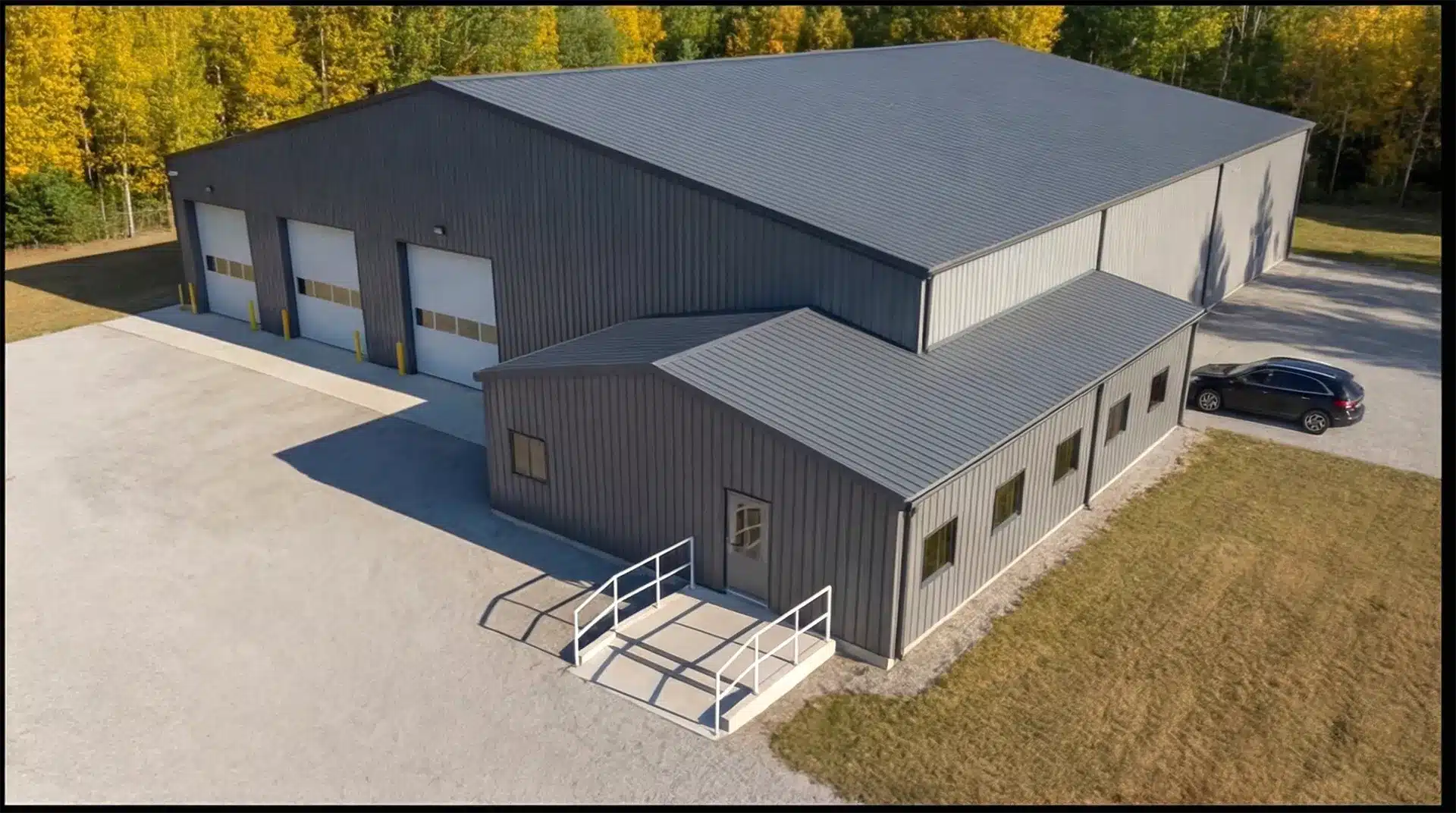
At this point, consider incorporating necessary utilities if your barn requires power or water supply. Planning these integrations early prevents disruptive retrofits later.
Step 3: Interior Structuring and Finishing Touches
Transitioning from exterior to interior work, focus on developing the barn’s interior layout. Whether this includes stalls, storage areas, or workspaces, customization here will cater to your specific needs. Flooring considerations are particularly important — non-slip, durable surfaces work best, especially in livestock barns.
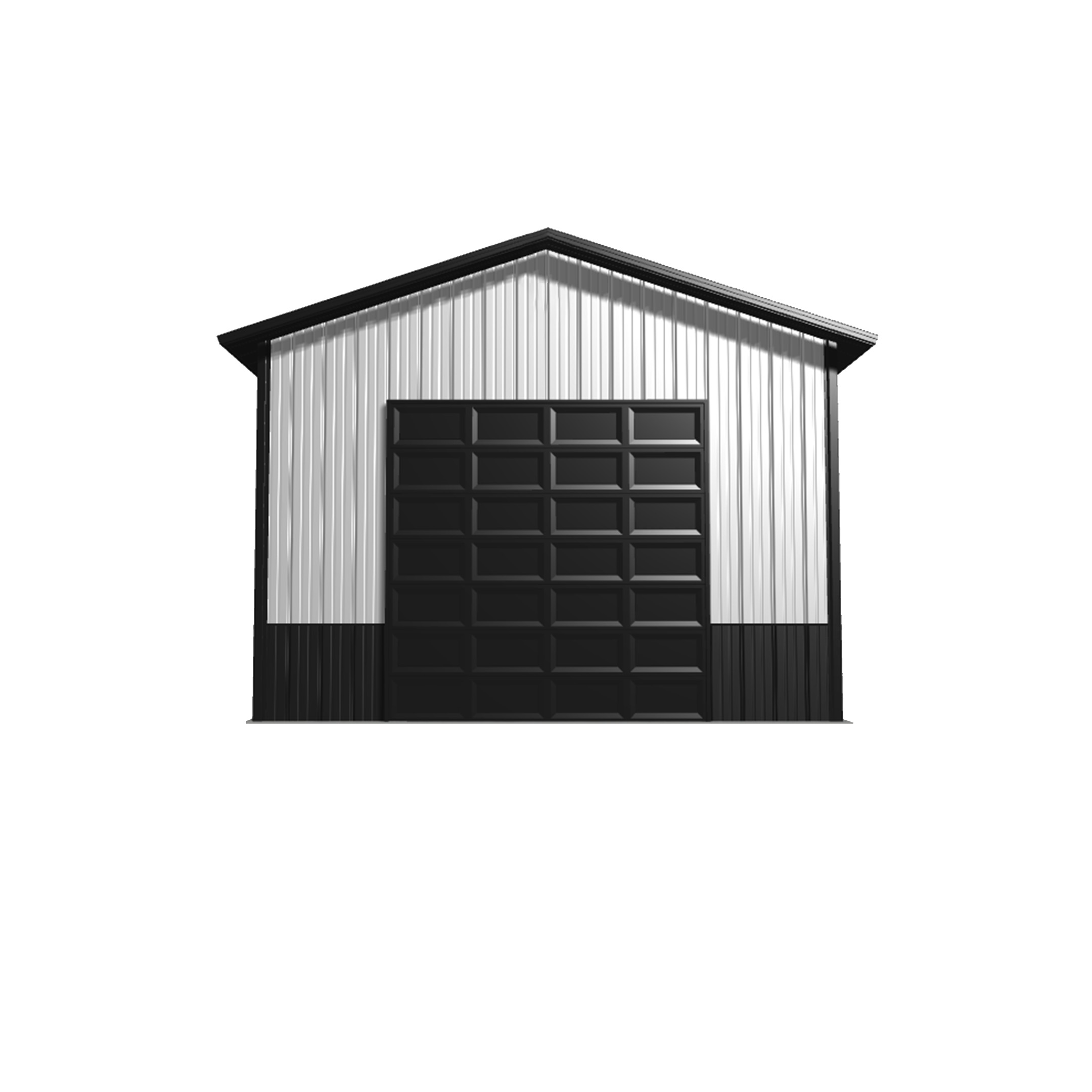
For multi-functional barns, partitions and additional supports may be necessary, depending on your setup. Seeking expert advice or using resources such as a 20x40x12 ft Pole Barn Kit ensures all potential utility and design aspects are covered.
Final Steps: Inspections and Permits
Before opening the barn doors, conducting a thorough inspection is crucial. This ensures all legal, safety, and design standards are met. An inspector might offer additional advice on securing future longevity and maximizing safety.
Once everything passes scrutiny, final approval is typically needed from local authorities, making sure the barn adheres to predefined regulations.
Conclusion: Ready for Action
After careful planning and execution, your barn is now a landmark on your property, ready to serve its purpose. By following this step-by-step process, you can navigate barn construction in Ontario with confidence and clarity. Remember, whether you’re using prefab barn kits Canada or going the traditional route, the key is in meticulous planning and making informed choices every step of the way.
Completing your barn is not just about creating a structure; it’s about crafting a space that embodies your vision and utility needs. The journey from setting those first building poles to admiring your finished barn is one of construction and creation, a testament to the rewards of diligent planning and execution.