
Building A Barndominium in New Brunswick | Barndominiums in Canada
Barndominiums have become a popular trend in the real estate market, offering a unique and stylish housing solution. Whether you're renovating an old barn or building a new structure, the…

On this page
Building Barndominium in New Brunswick: Your 2026 Playbook for Coastal-Ready, Clear-Span Living
If you’ve been sketching floor plans on napkins over Tim Hortons coffee talks, you’re not alone. Building Barndominium in New Brunswick is having a moment in 2026—thanks to acreage living, shop-house practicality, and that head-turning Black Barndo look that fits both the Bay of Fundy breeze and the Northumberland Strait sunsets. This guide is your boots-on-the-ground roadmap: costs, codes, and design moves that actually work east of the Saint John River. Whether you’re comparing barndominium in Canada options coast-to-coast or laser-focused on steel buildings in New Brunswick, you’ll leave with a plan you can act on.
Here’s the hook: Building Barndominium in New Brunswick blends a clear-span steel frame (park your boat, sleds, and a serious workshop) with a cozy, high-performance home that beats the deep freeze without beating up your budget. It also means thinking coastal—salt, wind, and storms—and rural—septic, wells, and driveways that actually stand up to thaw season. The payoff is big: a Live-Work-Play layout that keeps family close, tools handy, and overheads low.
In this 2026 guide, we’ll break down the real cost to build a barndominium in New Brunswick 2026, what NBC 2020 means for your permits, and why clear-span trusses are the unsung heroes of flexible layouts. We’ll also talk shop-house strategy and multi-generational suite NB solutions that pass inspections, survive nor’easters, and still look sharp in matte black. Ready to roll? Building Barndominium in New Brunswick starts with smart site checks, right-sized building kits, and a lender that speaks acreage. Let’s turn your Pinterest board into a permit-approved plan.
Building A Barndominium in New Brunswick | Barndominiums in Canada Gallery
Permits, NBC 2020, and What Authorities Expect in NB
Before pouring a slab, treat compliance like a pre-flight checklist. Building Barndominium in New Brunswick runs under the National Building Code of Canada (NBC) 2020 as adopted provincially, with local tweaks. Confirm with your municipality or Regional Service Commission (RSC). Start at New Brunswick for provincial references, then call the local planning desk for zoning—dwelling plus shop use, setbacks, height, lot coverage, driveway access, and accessory rules. On rural acreage, screen wetlands, floodplains, and coastal buffers; if your driveway ties into a provincial road, the Department of Transportation and Infrastructure needs to bless the access.
Code & Engineering
NBC housing is typically Part 9 (small residential), while larger, taller, or mixed-use with big occupant loads may push portions of the project into Part 3. Energy efficiency for houses and small buildings is under NBC 9.36; you can follow prescriptive tables or use the performance path (energy modeling with trade-offs). For a clear-span steel barndominium design New Brunswick climates demand, retain an APEGNB-licensed P.Eng to stamp structural drawings. Design for coastal winds (importance category per occupancy, site exposure—open terrain or coastal), hurricane gusts, and serious snow loads, including unbalanced drifts where roofs step or meet lean-tos. New Brunswick sites often see reference ground snow loads that require attention to purlin spacing, bay sizing, and ridge details; your engineer will calculate factored roof snow load using NBCC climatic data and the correct importance and slope factors.
Foundations must handle frost and soils. Choose a frost-protected shallow foundation (FPSF) with validated details or footings below local frost depth, and confirm bearing capacity; where soils are unknown or suspect (marine clays, organics), bring in geotechnical investigation and compaction specs. Slab-on-grade is a barndo favourite—just ensure edge insulation, thermal breaks at columns bearing through the slab, and capillary breaks beneath. Pre-engineered steel suppliers must be CSA A660-certified, providing shop drawings, sealed anchor bolt plans, and erection manuals aligned with your stamped structural design.
Life Safety, Fire, Energy, and Systems
Shop-house hybrids trigger specific life safety rules under NBC 9.10. Expect a rated fire separation between shop/garage and dwelling (typically 45-minute or as detailed by the designer), self-closing solid-core doors with proper smoke seals, and sealed penetrations. Respect limiting distances along property lines—exterior wall construction and window size/placement are governed by NBC if you build too close to a neighbour. Provide code-compliant egress windows in sleeping rooms, interconnected smoke/CO alarms throughout, and if you add a wood stove in the shop, plan for WETT-compliant installation with dedicated combustion air and shielding clearances.
For energy, steel buildings demand careful thermal detailing to beat bridging. Building Barndominium in New Brunswick means continuous exterior insulation (effective R-values rather than only cavity), thermally broken girts/rails or clip-and-rail systems, and a durable air/vapour control layer. Under NBC 9.36 in NB’s cold climate, expect effective wall RSI/R-values often in the R-24 to R-30 (effective) range for walls and R-50 to R-70 for roofs, depending on modeling and prescriptive path selections; ceilings below ventilated attics often trend to R-60. Target tightness of roughly 2.5–3.0 ACH50 (blower door)—not mandated by NBC, but frequently used by authorities or incentive programs; some RSCs may ask for mid-construction testing to confirm air barrier continuity before closing in.
Ventilation falls under NBC 9.32; a right-sized, commissioned HRV is standard. Balance flows, provide boost in baths and laundry, and keep supply diffusers away from cold surfaces to avoid condensation streaks. Mechanical systems in 2026: cold-climate variable-speed heat pumps paired with slab hydronics are the workhorses. Add backup heat (electric baseboards or hydronic) for extreme snaps. In salty zones, specify marine-grade or high-build factory coatings, stainless or corrosion-resistant fasteners, and protect outdoor units and overhead door tracks from direct sea spray.
NB is radon-aware. Provide a sub-slab rough-in (tee and stub with sealed cap) and test 90 days post-occupancy. If results are ≥200 Bq/m³, activate with a fan and label the system. Insulate slab edges to avoid cold corners, and isolate shop floor drains from sanitary where required—oil/grit separators may be triggered by local bylaws if you plan vehicle maintenance.
Electrical, Plumbing, Utilities, Permits, and Inspections
Permitting is sequential: submit your site plan, stamped structural drawings, energy compliance documentation (9.36 checklist or performance report), truss/steel shop drawings, HVAC sizing, and septic/well designs. Pull building, electrical, and plumbing permits. The Canadian Electrical Code (CEC) as adopted in NB governs your panels, shop receptacles, and EV circuits; plan GFCI where required and dedicate welding and compressor circuits in the shop. The National Plumbing Code governs drains, vents, and potable tie-ins. Most rural sites need an engineered or prescriptive septic design approved by Public Health, plus a tested well. Protect plumbing from freezing at slab edges and in unheated shops with insulation and heat-trace where necessary.
Expect staged inspections: foundation and footings, framing/structure, insulation and air/vapour barrier, rough-in electrical/plumbing/HVAC, and final occupancy. Keep CSA labels, product approvals, HRV/heat pump commissioning reports, and as-built steel shop drawings handy in a site binder. Building Barndominium in New Brunswick goes smoothly when your paperwork is as airtight as your envelope.
2026 Provincial Notes and Incentives
Unlike BC’s Step Code or Ontario’s municipal tiered energy bylaws, New Brunswick relies on NBC 2020 with local interpretation. That said, utility and federal programs can sweeten the pot. In 2026, check NB Power’s efficiency programs for rebates on cold-climate heat pumps, HRVs, and building envelope upgrades; availability and amounts change, so verify before you buy. Atlantic homeowners who previously heated with oil may also find federal support streams for switching to heat pumps—again, confirm current eligibility and amounts for your household and location. Bottom line: include a line item in your budget to chase rebates early; your equipment choices and commissioning paperwork often determine eligibility.
Designing a Live-Work-Play Barndo That Loves NB Weather
Let’s talk layouts that make Monday feel less Monday. Building Barndominium in New Brunswick thrives on the Live-Work-Play model: clear-span shop space for tools and toys, a warm, quiet home for the family, and breezeways or mudrooms that keep the Nor’easter slush at the door. Clear-span steel frames eliminate interior load-bearing walls, so your hockey-shooting lane, RV bay, or home studio can flex as life changes. It’s why barndominium builders and kits New Brunswick buyers choose are heavy on versatility and bay spacing you can repurpose over time.
Black Barndo Aesthetic, Coastal-Smart Details
The 2026 crowd favourite? The Black Barndo—matte black steel siding and roof, clean lines, and generous covered porches. Make it coastal-savvy: choose galvanization class and factory-applied high-build coatings rated for salt exposure, specify stainless or polymer-coated fasteners, and add oversized eaves with ice/water shield at edges, snow guards above doors, and a continuous gutter system with heat-trace where icicles like to party. Inside, stop the condensation gremlins with continuous exterior insulation, thermally broken girts, and an airtight drywall approach with sealed electrical boxes. A properly sized, commissioned HRV keeps humidity in check, while dehumidification in the shop protects tools and finishes.
Multi-Generational Suites and Shop-House Separation
A shop-house barndominium with multi-generational suite NB planners love places the suite on the quiet side with its own entrance, proper egress windows, and a rated separation from the shop. Stack kitchens and baths between storeys to simplify plumbing, and align mechanical chases to avoid swiss-cheesing your air barrier. Pair heated slab zones downstairs (shop and mudroom) with a cold-climate heat pump handling the main living spaces; give the suite its own thermostat and sound attenuation—resilient channel, mineral wool, and solid-core doors. In the shop, spec a wind-rated overhead door with upgraded seals so it won’t rattle in January gusts, and add vestibules or air locks on people-doors to cut heat loss.
Accessibility and aging-in-place matter for multi-gen. Keep at least one zero-threshold entry, plan 36-in. doors and 42-in. hallways in the main living area, and pre-block for future grab bars. A curbless shower and a main-floor flex room that can convert into a bedroom make the home future-proof without looking like a clinic.
Thinking kit-first? Start with pre-configured building kits tailored to the clear-span steel barndominium design New Brunswick requires, then customize: taller eaves for boat/RV clearance, covered lean-tos for outdoor work, and screened porches for blackfly season. Cross-check kit engineering with NBC snow/wind data and your site exposure class. Building Barndominium in New Brunswick should feel like a precision-fit parka: warm, tough, and ready for whatever the Bay throws at it.
Envelope and Acoustic Moves You’ll Feel Daily
Spend where you live: airtightness detailing, triple-pane windows on the windward side, and thermal breaks at slab perimeters will beat utility bills more than marble backsplashes ever will. Use raised-heel trusses or purlin/insulation stacks that let you keep full R-value over exterior walls. In mixed-use barndos, shop noise is the sleeper issue—add a decoupled wall between shop and living (staggered studs or double wall), resilient channel on the living side, and dense mineral wool. The cost is minor; the peace is priceless.
Site Planning for Nor’easters
Rotate the building so porches and main entries are shielded from prevailing winter winds. Keep overhead doors on the leeward side if possible. Grade for positive drainage, add a compacted gravel apron outside shop doors, and slope concrete aprons away from thresholds. Plan snow-storage zones so the plow isn’t burying the suite entry, and run a properly based driveway with geotextile and culverts sized for spring thaws. In coastal areas, consider elevating the finished floor above historical storm-surge levels and keep critical equipment (electrical panels, HRV, heat pump indoor units) out of risk zones.
Nationwide Barndominium Excellence
Building Your Dream Home Across Canada, One Barndominium at a Time
Our commitment to excellence has enabled us to provide superior barndominiums and outstanding customer service across Canada. Whether you're in the bustling urban centers of Alberta, the vibrant cities of Ontario, the serene rural areas of British Columbia, or anywhere in between, Your Building Team has the skills and knowledge to bring your barndominium project to fruition. We proudly serve clients in Manitoba, Quebec, Saskatchewan, New Brunswick, and Nova Scotia. Wherever you are, we are dedicated to making your dream barndominium a reality.
-
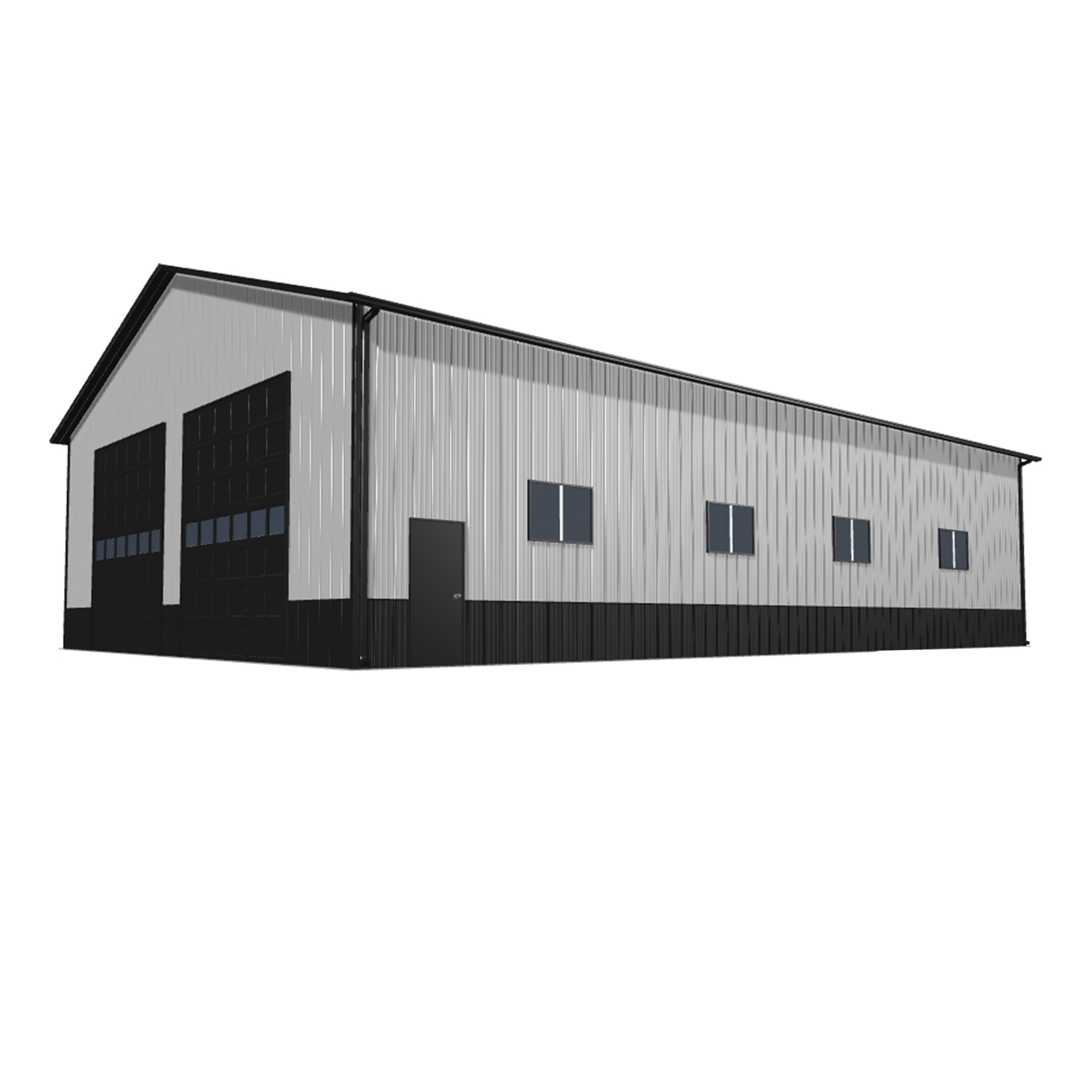
40x60x16 Metal Barn Kit – Farm Building (Deposit)
$17,500.00 Add to cart -
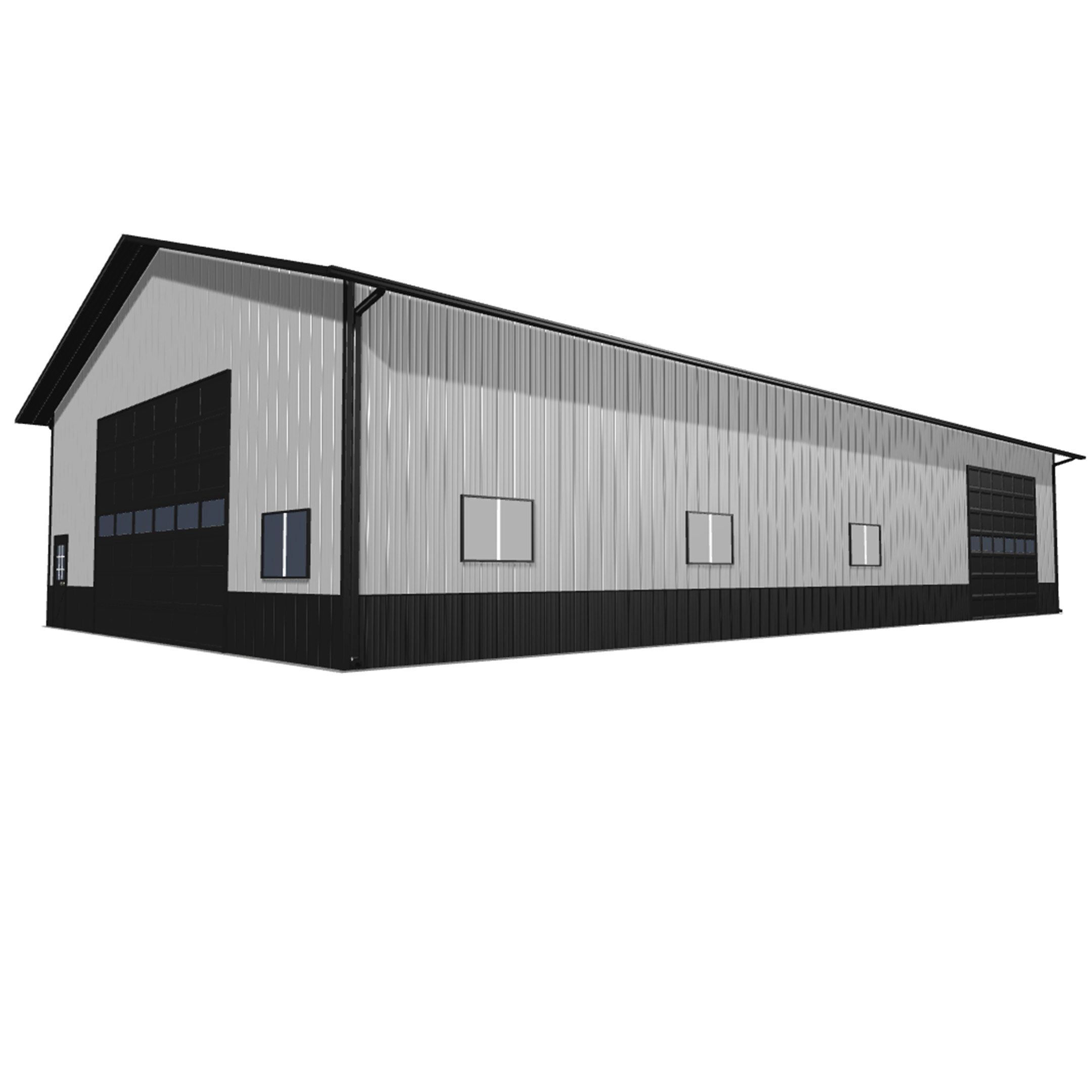
40x80x16 Metal Barn Kit – Farm Building (Deposit)
$23,500.00 Add to cart -
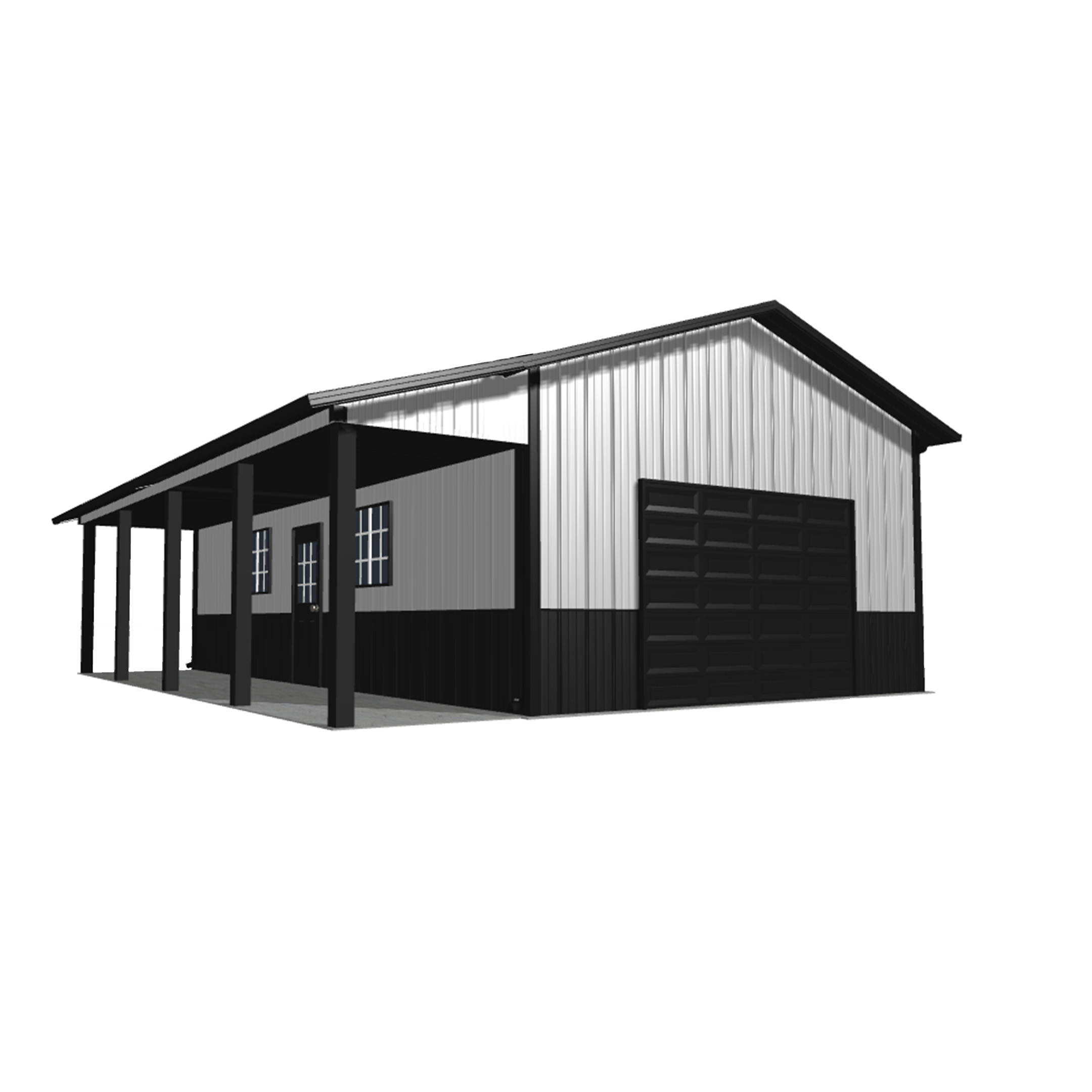
20x32x10 Metal Barn Kit – Workshop Garage (Deposit)
$7,500.00 Add to cart -
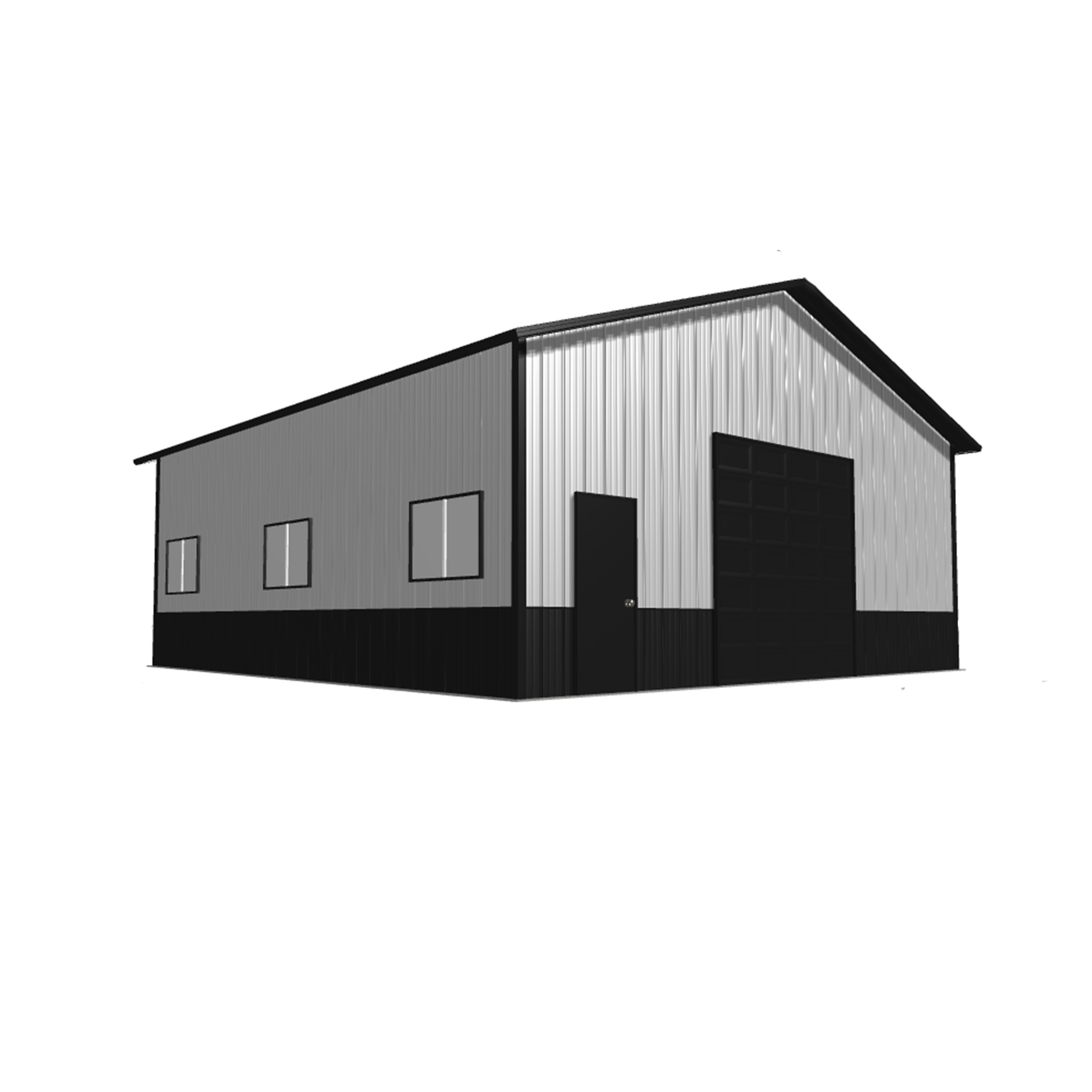
30x30x12 Metal Barn Kit – Farm Shop (Deposit)
$8,500.00 Add to cart -
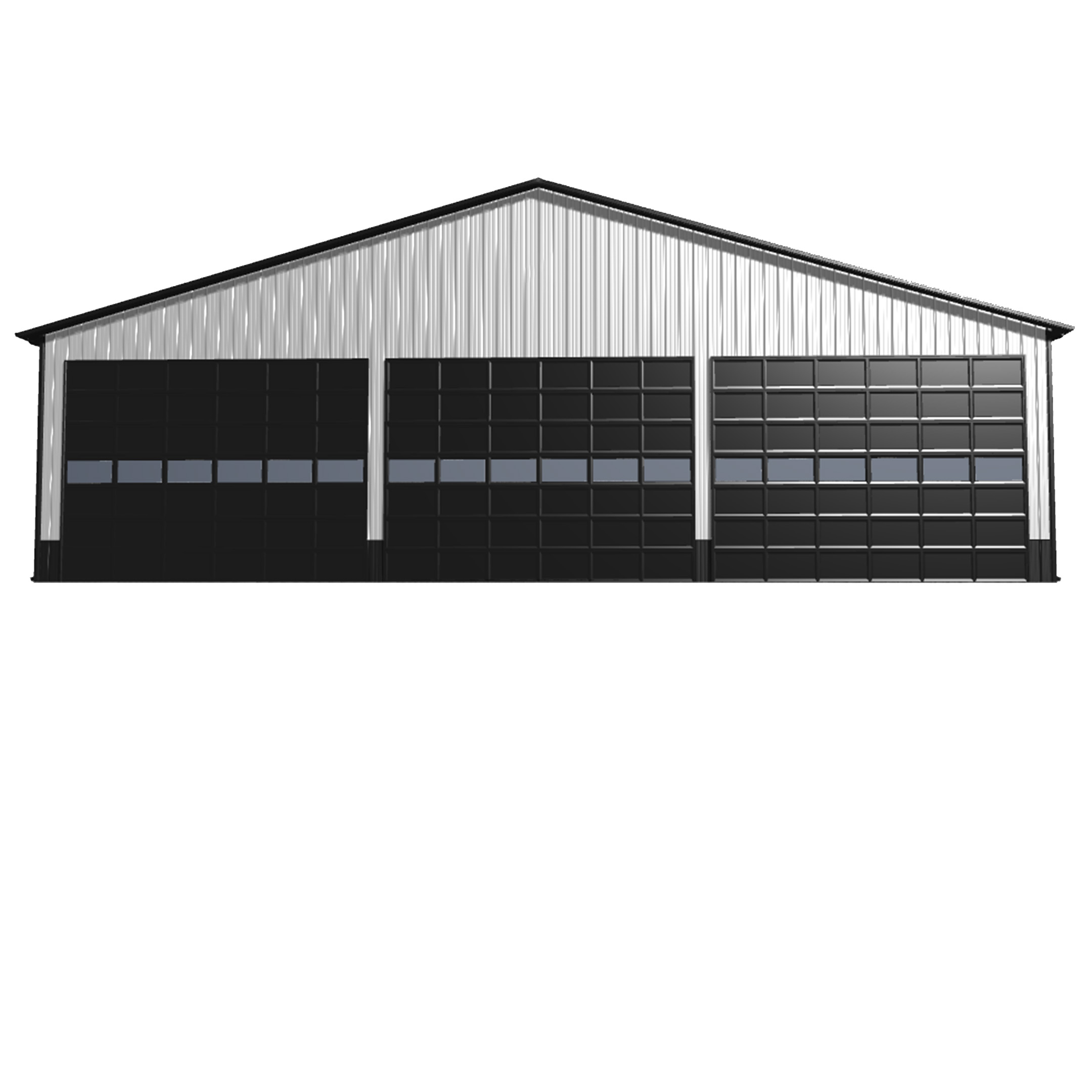
70x180x10 Metal Barn Kit – Industrial Storage Arena (Deposit)
$91,500.00 Add to cart -
60×120 Monitor Barn Kit with Dual 14′ Lean-tos – Master Series (88×120)(Deposit)
$77,000.00 Add to cart
Insider Secrets: Financing, Acreage Tactics, and Real-World Cost Savers
Here’s the 2026 insider secret for Building Barndominium in New Brunswick: skip straight to local credit unions and agricultural lenders. They understand mixed-use shop-house valuation and construction draws better than national banks, especially when your site is rural. Frame the project as a residential primary dwelling with an integrated shop; provide P.Eng-stamped plans, NBC 9.36 energy compliance docs, and a spec sheet showing CSA A660 credentials. Appraisers will ask about shop square footage vs. living area—keep the dwelling proportion strong for better comps and mortgage terms.
Budget Reality Check
So, the cost to build a barndominium in New Brunswick 2026? Plan ranges, not promises. A shell-only kit plus erection is cost-efficient, but turnkey adds interiors, mechanicals, well/septic, and site works. Coastal coatings, wind-rated doors, and engineered snow/wind design are NB-specific drivers. Budget allowances for slab-on-grade with hydronic zones, a right-sized heat pump, HRV commissioning, and contingency for bedrock or poor soils. If you’re tucking into a coastal zone, include stainless fasteners and upgraded paint systems from day one—they’re cheaper than chasing rust later.
Cost trims that don’t hurt: keep the footprint a simple rectangle or L; align spans with common steel bay spacing; centralize kitchens and baths; and choose standard window/door sizes. Use texture and colour blocking in siding rather than complex massing to get curb appeal without cost-creep. Pre-wire for PV and EV now, install later when rebates peak. And yes—spec a single high-quality overhead door with jackshaft operator instead of multiple smaller doors if your workflow allows; fewer penetrations, better airtightness, lower cost.
Acreage Moves That Pay Off
On acreage living sites, stake the building to minimize cut/fill and blasting. Orient porches as wind breaks and tuck the suite entry on the sheltered side. Design a snow-smart driveway with a proper base, crown, and ditches; where you meet a provincial road, plan your culvert and sightlines early for quick approvals. Separate the muddy shop entrance from the family entry, and spec durable interior finishes—poly-aspartic or polished concrete in the shop, washable paints and durable trim in mudrooms—that handle boots and brine.
Utilities can be the budget wildcards. If three-phase power is miles away and you don’t need heavy industrial tools, design for single-phase with soft-start equipment or a phase-converter plan. For water, confirm flow and quality before you design your mechanical room—iron and hardness levels might push you toward specific treatment gear and extra floor space. On septic, ask your designer about winter performance and snow load on mounded systems; plow routes and tank access matter when it’s -20°C and you need a service call.
Paperwork, Insurance, and Scheduling
Line up your paperwork like hockey sticks on the bench: builder’s risk insurance, wrap-up liability, and proof of WCB coverage for trades. Ask for manufacturer warranties in writing—coating warranties on Black Barndo panels, compressor warranties on heat pumps, and HRV core warranties. For inspection speed, keep a single binder (digital and paper) with your permits, stamped drawings, truss/steel shop drawings, energy forms, and commissioning reports. Inspectors love an organized site—and organized sites get faster sign-offs.
Schedule-wise, book steel early. In NB, winter erection is doable but brings wind holds and shorter days. Shoulder-season builds (late spring or early fall) balance crew availability and weather. If you must pour in the cold, budget for hoarding, ground heat, and admixtures. And if you’re using a performance path for NBC 9.36, engage your energy modeller at schematic design, not after framing—moving a window two feet on paper beats moving it after the hole is cut.
Need a quick sanity check on scope, kit, and codes? Reach out via contact and we’ll walk you through barndominium builders and kits New Brunswick options, financing intros, and a first-draft schedule over a virtual Tim’s. Building Barndominium in New Brunswick is easier with a lender who gets barns and a team that’s stood in a February nor’easter.
Ready to Build in NB? Let’s Map Your Barndo from Permit to Porch Swing
You’ve now got the NB playbook: zoning with your municipality or RSC, NBC 2020 with coastal wind and snow design, and energy strategies that keep utility bills tame while beating the deep freeze. You know why clear-span frames rule the Live-Work-Play model, how a shop-house barndominium with a multi-generational suite NB inspectors can approve is detailed, and where the real costs sit—from slab and HRV to wind-rated overhead doors. The 2026 insider path is clear: start with local credit unions/ag lenders, lean on CSA A660 suppliers, and keep paperwork tight. Building Barndominium in New Brunswick doesn’t have to be a maze; it’s a checklist and a few phone calls.
Want a fast lane? Compare barndominium in Canada options, shortlist steel buildings in New Brunswick vendors, and line up pre-engineered building kits that meet NBC loads for your exact locality. Bookmark New Brunswick for forms and references, then ping us with your site pin, desired spans, and suite plan. We’ll sanity-check zoning, outline costs to build a barndominium in New Brunswick 2026, and sketch a draw schedule your lender will actually sign off on.
If you’re ready for acreage living—with a clean Black Barndo silhouette, a warm slab underfoot, and a shop that swallows your sleds—let’s get your quote moving. Building Barndominium in New Brunswick starts today: share your wish list, local wind/snow zone, and target move-in month. We’ll return a clear, line-item RFQ you can take to lenders and trades. Grab five minutes and hit contact. Your coastal-ready, code-smart barndominium is closer than your next Timmies run.