
Building A Barndominium in Nova Scotia | Barndominiums in Canada
Have you ever considered building a Barndominium in Nova Scotia? This emerging trend in Canada combines the rustic charm of a barn with the modern convenience of a condominium. With…

On this page
Building Barndominium in Nova Scotia: Coastal-smart, code-ready, and built for real life
Thinking about Building Barndominium in Nova Scotia in 2026? Picture this: a clear-span steel shell that shrugs off salt spray, a bright shop for your lobster traps or trade tools, and a warm, efficient home where you swap boots for slippers and debrief the day over Tim Hortons coffee talks. That’s the modern shop-house barndominium—acreage living with brains and brawn. And yes, the Black Barndo aesthetic is alive and well on the Atlantic, with matte finishes that look sharp without announcing every speck of salt.
Here’s the hook: Building Barndominium in Nova Scotia isn’t just trendy—it’s practical. Clear-span frames give you airy bays for boats, trailers, and welding rigs. The living side stays quiet, clean, and efficient. You can spec steel barndominium kits Nova Scotia coastal weather resistant, dial in your R-values, and design a shop house barndominium with in-law suite Nova Scotia families actually use. Want the quick route? Start with proven building kits and adapt the plan to your lot and lifestyle.
But real talk: permits, zoning, winds off the Atlantic, and mixed-use fire separations can trip you up if you treat a barndo like a shed. You’ll need engineered drawings, CSA A660 steel, and an energy plan that beats the deep freeze without burning cash. In this guide, we’ll map out costs, code checkpoints, and the insider financing path locals use when big banks blink at hybrids. Whether you’re searching “barndominium builders in Nova Scotia near me,” tallying the cost to build a barndominium in Nova Scotia 2026, or comparing Steel Buildings In Nova Scotia, you’re in the right place.
Consider this your coastal-ready, builder-grade sanity check for Building Barndominium in Nova Scotia, with practical notes for rural lots, secondary suites, and that satisfying roll-up door moment when everything fits—finally. We’ll keep the tone straight-up Nova Scotian: friendly, frugal, and a touch salty—exactly how your siding should not be.
Building A Barndominium in Nova Scotia | Barndominiums in Canada Gallery
Nova Scotia permits, zoning, and code: the must-haves for a smooth barndominium permit
If you’re Building Barndominium in Nova Scotia, start at the municipal planning counter—not the lumberyard. Confirm your land-use zoning allows a dwelling with an attached shop (mixed-use or accessory). Rural and agricultural zones often fit shop-house living, but you’ll still need lot size, frontage, and height checks, plus parking if you’re adding an in-law suite. Driveway access off provincial roads may need Nova Scotia Public Works approval. On the coast? Verify coastal setbacks, floodplains, and erosion hazards—storm surge isn’t theoretical here. For wells and septic, line up Nova Scotia Environment approvals or municipal services. Keep a tidy file; AHJs appreciate clarity.
Structural and coastal engineering essentials
Engineer-of-record is non-negotiable. Under the National Building Code of Canada (NBC) 2020 with Nova Scotia amendments, your drawings must show site-specific snow loads (Ss, Sr) and coastal wind exposure—often Exposure C—plus uplift details. Specify CSA A660-certified pre-engineered steel and require shop drawings sealed for your site. Design foundations to frost depth (~1.2 m/4 ft), and get a geotechnical review where soils are variable, marshy, or coastal. For salt air, call for corrosion-resistant fasteners, marine-grade or PVDF/Kynar coatings, and protected cut edges; specify an ISO 12944 C4–C5 corrosion category for shorelines. Clear-span frames need uplift ties/straps, hold-down anchors, and a continuous load path to the footing. Girt and purlin spacing should reflect wind suction at eaves and corners—don’t just copy prairie details to Peggy’s Cove.
Envelope, energy, and safety
Part 9 envelope rules apply to most barndominiums, but be honest about size: overshoot area or height and you can tip into Part 3 with sprinklers and more consulting. For a Part 9 build, detail a continuous air barrier, warm-side vapour control (smart vapour retarder is best for shoulder seasons), and continuous exterior insulation to cut thermal bridging at steel girts/purlins. Use coastal-rated cladding/roofing with matte finishes to hide salt; add a drained and ventilated rainscreen where required by municipality or best practice. Under slabs, include a capillary break, 10–15 mil vapour barrier with taped laps, and slab-edge insulation. Rim and slab edges bleed heat first—treat them like priority lanes.
2026 Energy code specifics for Nova Scotia
Nova Scotia’s 2026 permits reference NBC 2020 Part 9.36 Energy Efficiency with the tiered energy code framework. Most AHJs are now enforcing a minimum Tier 2 for new low-rise homes; some coastal municipalities encourage Tier 3. Confirm your township’s current tier at pre-application. You can comply prescriptively (tables for insulation/windows) or via performance modelling (HOT2000/energy software) to trade improvements. Typical prescriptive targets at Tier 2/3 include higher effective R-values on walls (continuous exterior insulation), R-60 class attics, low-U windows, and tighter blower-door results.
Target airtightness at or better than 2.5–3.0 ACH50 for performance path; you’ll thank yourself in February. Provide HRV/ERV per code and size to CSA F326; size cold-climate heat pumps to CSA F280 with reasonable design temps for your microclimate (Cape Breton vs. Valley can differ). Continuous thermal breaks at steel interfaces are crucial—use thermally-broken clips or Z-girts and avoid compressing batts behind girts like a cheap parka. Fenestration should meet or beat ENERGY STAR cold-climate specs—triple-pane where windward noise or condensation is a risk.
Mixed-use fire and life safety
Shop-space and dwelling-space get a proper divorce: provide a 45–60 minute fire separation (Type X gypsum assemblies), self-closing solid-core door in a rated frame, no air pathways, and separate HVAC (no shared return air). Interconnect smoke/CO alarms across the dwelling, and include heat detection in the shop if your insurer requests it. If your combined floor area or occupant load grows, your designer must confirm you’re still in Part 9; otherwise, welcome to Part 3, where sprinklers, fire alarm, and exiting math move in. If you’re adding a secondary suite/in-law suite, meet egress, sound transmission, and parking requirements.
Mechanical, electrical, and radon
Size electrical for real life: 200A is common; 320A/400A if you’re running welders, compressors, and EVs. Provide dedicated ventilation in the shop for fumes and dust. Rough-in for radon with a sub-slab depressurization tee and sealed slab penetrations; post-occupancy testing is good practice across Nova Scotia’s higher-radon pockets. For resilience, add whole-home surge protection, lightning bonding, and a transfer switch for a generator or energy storage system (ESS) so storms don’t shut down your freezer full of mackerel.
Submit a complete package: sealed architectural/structural drawings, A660 certificates, truss/steel shop drawings, energy compliance (prescriptive checklists or modelling reports), site/grading, septic design if applicable, and schedules of review. Book inspections from footing to final. If you want coastal resilience while Building Barndominium in Nova Scotia, spec impact-resistant metal roofing, stainless or polymer trims, and protected soffits. Keep insurers and lenders looped—classify as single-detached with accessory shop and disclose any fuel storage or welding operations. For context and climate, skim Nova Scotia basics, then tailor to your township’s AHJ notes. And yes, other provinces have their own quirks—Ontario’s residential heat pump incentives and BC’s increasingly stringent wildfire/WUI and fire-resistant exterior requirements—but your build lives or dies on Nova Scotia’s salt, wind, and 9.36 tiers.
Designing the Live-Work-Play barndominium: clear-span freedom, quiet living, and coastal style
When you’re Building Barndominium in Nova Scotia, the design win is the clear-span steel frame. No posts in your way—just wide-open bays for a boat on a trailer, a tractor, or a weekend cabinet shop. On the living side, lofts and vaulted spaces ride under those same clear-span trusses, giving you airy rooms that still heat efficiently in February. Need a shop house barndominium with in-law suite Nova Scotia-style? Tuck a ground-floor suite with a no-threshold shower and a kitchenette behind the shop wall; meet secondary-suite parking rules; and plan a private entrance under a sheltered breezeway for storm days.
Black Barndo aesthetic and coastal materials
The 2026 “Black Barndo” look—matte black steel siding and standing-seam roofing—works on the coast if you spec it right. Ask for marine/aluminum-zinc coatings, robust underlayments, and stainless fasteners at exposed points. Protect cut edges and penetrations religiously. Add a rainscreen, deep overhangs, and thoughtful flashings. Coastal-grade windows and hardware keep the salt out and the seals tight. The result? A barndo that looks sharp and stays sharp while you’re Building Barndominium in Nova Scotia for the long haul.
Layout that works Monday to Sunday
Keep the shop-to-house interface simple: straight walls, minimal jogs, and a shared utilities chase for easy mechanical runs. Place noisy zones (mudroom, laundry, pantry) along the shop wall, and float bedrooms on the leeward side. A covered mud entry with a floor drain saves marriages and hardwood floors. If you’re storing a boat or tall tractor, plan 12–14 ft shop ceilings, wind-rated overhead doors, and a drive-through bay so you aren’t doing twenty-point turns in February slush. Mezzanines reclaim vertical space for dry storage while keeping the main floor uncluttered.
Comfort, function, and shop separation
Separate HVAC between home and shop is your friend—no fumes in the family zone. Use dual-zone cold-climate heat pumps, radiant slab in the shop, and an HRV/ERV sized to your airtightness plan. For slab design, thicken where lifts sit and add rebar/stirrups to handle point loads. Detail thermal breaks at door thresholds and the shop-house demising wall to avoid condensation lines. Add acoustic layers (resilient channel, mineral wool) at the shared wall so grinders and planers don’t turn movie night into a concert.
Energy-smart details that pay off
In 2026, Building Barndominium in Nova Scotia means treating energy details like structure: non-negotiable. Use continuous exterior insulation (1.5–3 in polyiso or mineral wool) and thermally-broken cladding supports. Air-seal at transitions—foundation-to-wall, wall-to-roof, and around big doors—then test and fix leaks before drywall. Opt for triple-pane in bedrooms and windward elevations for comfort. If you’re performance-modelling to meet Tier 2/3, simple boxy massing and modest glazing ratios make compliance easy and affordable.
Materials and coastal longevity
Salt loves bare steel and fasteners. Specify stainless trim screws at exposure points, sealed rivets where appropriate, and factory-finished panels with PVDF paint. Inside, consider polished concrete in the shop (with densifier) and engineered plank or tile in the home. Use PVC or fiberglass exterior doors near the shop; less rust, fewer regrets. For decks or steps, go composite or pressure-treated with stainless hardware. If a kit is your speed, start with coastal-ready steel barndominium kits Nova Scotia coastal weather resistant, then customize interiors. For national context and ideas, browse barndominium in Canada and match features to your site’s wind and snow. That’s practical design for Building Barndominium in Nova Scotia that actually lives well Monday to Sunday.
Nationwide Barndominium Excellence
Building Your Dream Home Across Canada, One Barndominium at a Time
Our commitment to excellence has enabled us to provide superior barndominiums and outstanding customer service across Canada. Whether you're in the bustling urban centers of Alberta, the vibrant cities of Ontario, the serene rural areas of British Columbia, or anywhere in between, Your Building Team has the skills and knowledge to bring your barndominium project to fruition. We proudly serve clients in Manitoba, Quebec, Saskatchewan, New Brunswick, and Nova Scotia. Wherever you are, we are dedicated to making your dream barndominium a reality.
-
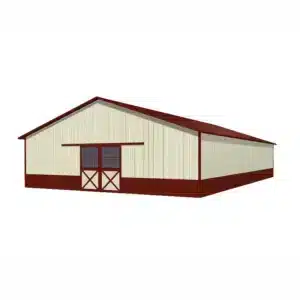
40x60x16 Metal Shop Package | Farm Building (Deposit)
$17,500.00 Add to cart -
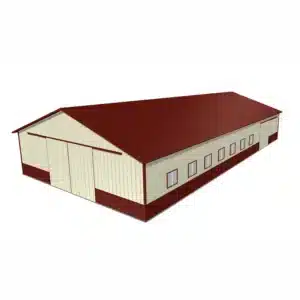
40x80x16 Metal Barn Kit | Steel Farm Building & Machine Shed (Deposit)
$23,500.00 Add to cart -
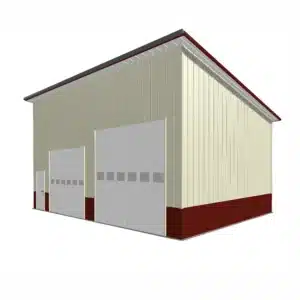
20x32x10 Metal Barn Kit | Steel Building & Garage (Deposit)
$7,500.00 Add to cart -
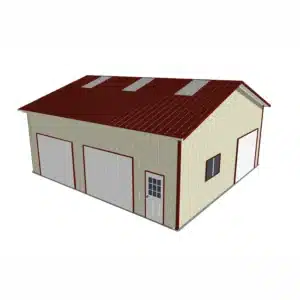
30x30x12 Metal Barn Kit | Steel Farm Shop Building (Deposit)
$8,500.00 Add to cart -
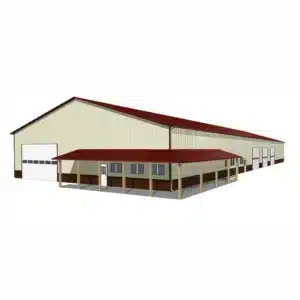
70×180 Agricultural Building Kit (Deposit)
$91,500.00 Add to cart -
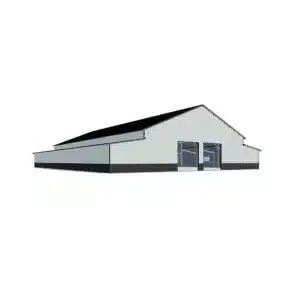
60×120 Monitor Barn Kit with Dual 14′ Lean-tos – Master Series (88×120)(Deposit)
$77,000.00 Add to cart
Insider playbook: financing, rural tips, and cost control for Nova Scotia barndominiums
Let’s talk money and momentum. The question everyone whispers over coffee: the cost to build a barndominium in Nova Scotia 2026. Broadly, shell-only steel with coastal upgrades lands far below a full custom home, while a turnkey live-work barndo with in-law suite and premium finishes can rival conventional builds. Big swings come from site work (driveways, rock, culverts), utilities (well/septic), and coastal specs (coatings, rainscreen, wind uplift). Bake 10–15% contingency into your budget—Atlantic weather and inspections love a curveball.
The 2026 financing “insider secret”
Here’s the move that saves projects: local credit unions and agricultural lenders. In 2026, these lenders routinely understand mixed-use shop-house plans and progress draws for steel. Bring sealed engineered drawings, a cost-to-complete budget, and comps where available, and ask them to classify as single-detached with accessory shop. It’s the insider secret for Building Barndominium in Nova Scotia when big banks hesitate. Pair that with an Atlantic new home warranty if your lender requires it, and loop in your insurer early to price steel construction and any solid-fuel appliances.
Budget lines too many folks forget
Allow for coastal coatings upgrades (C4/C5), stainless fasteners, extra lift equipment time for windy-day delays, and a few more hours of air-sealing around big overhead doors. Add line items for blower-door testing, hot water recirculation if runs are long, and a dehumidifier if you’re curing slab in shoulder season. If you’re aiming Tier 3, expect a premium for thicker exterior insulation and higher-spec windows—but claw some back with a simpler roofline.
Rural and acreage smarts
On acreage living, orient the building to shed wind and drifting snow from doors, push septic upslope of the shore, and keep fuel storage inside code clearances. Rough-in Level 2 EV and solar conduit even if you’re not installing yet. For storm resilience, add whole-home surge, a generator or ESS, and impact-resistant roofing. In fire season, non-combustible siding and metal roofs help with embers and insurance comfort. Keep travel distances sensible—no one enjoys a midnight jog across a yard to the mudroom.
Procurement and builder selection
Want predictable costs? Consider pre-engineered building kits that meet CSA A660 and Nova Scotia loads, then price local erection with a crew that’s comfortable in coastal gusts. Ask bidders for A660 certificates, sample shop drawings, blower-door targets, and coastal hardware specs. Require that energy compliance (Tier 2 or 3) is owned by the builder or a named consultant, not “TBD” after framing. Clarify who supplies big shop doors and ensures wind ratings. If you’re hunting “barndominium builders in Nova Scotia near me,” interview for experience with mixed-use separations and radon rough-ins—two places rookie teams stumble.
Permitting rhythm and inspections
Book your footing inspection with a clean trench and call before noon like the old-timers say. Have anchor bolts and hold-downs on site for framing inspection. For energy, get your air barrier inspected before insulation so taping sins can be forgiven. Keep a shared folder for permits, shop drawings, energy calcs, and inspection reports—your lender and insurer will love you for it. Ready to start a quote or need a sanity check on your plan for Building Barndominium in Nova Scotia? Reach out via contact and ask for a coastal-ready, shop-separated layout with a Black Barndo option—you’ll get a cleaner budget and fewer surprises.
Ready to build? Make your Nova Scotia barndominium coastal-tough and family-smart
If Building Barndominium in Nova Scotia is on your 2026 to-do list, you’ve now got the roadmap: zoning that welcomes a shop-house, engineered steel with CSA A660 credentials, a coastal envelope that laughs at wind-driven rain, and energy systems that beat the deep freeze without beating your wallet. Layer in fire separation, dual-zone HVAC, and an in-law suite that actually works for multi-gen living, and you’ve got a barndo that’s equal parts work boot and house slipper. Whether you’re after a no-nonsense shell or a turnkey stunner in the Black Barndo aesthetic, the clear-span frame keeps the shop flexible and the home open, bright, and quiet.
Next steps? Shortlist suppliers who can deliver steel barndominium kits Nova Scotia coastal weather resistant, ask about rainscreen details and coatings, and confirm your AHJ’s checklist before you order. Compare quotes with and without coastal upgrades so you see the true delta. Lock in your energy path (prescriptive vs. performance) and aim for Tier 2 or better so utility bills don’t feel like another truck payment. If you want a hand matching kit specs to Cape Breton winds or South Shore salt spray, browse regional notes under Steel Buildings In Nova Scotia or get Canada-wide ideas from barndominium in Canada. Then kick off a design chat and progress-draw roadmap via contact.
Bottom line: Building Barndominium in Nova Scotia should feel like a Saturday at the rink—organized, a little loud, and fun once the puck drops. With the right lender, crew, and coastal specs, your shop-house will hold up to Atlantic weather and everyday life. Secure your site plan, lock your engineering, and let’s get the slab chalked out. Your tools, boat, and family will thank you every time those big doors roll up.
Not building to live in? We also supply barn kits in Nova Scotia – drive sheds, farm shops, horse barns and machinery storage, engineered to the same Nova Scotia loads.