Blog
From expert advice on construction techniques and materials to step-by-step guides for various projects, we’ve got you covered. Our goal is to empower and educate, ensuring that you have the confidence and know-how to tackle your construction endeavors with ease. Let’s build something amazing together!
Home
Blog
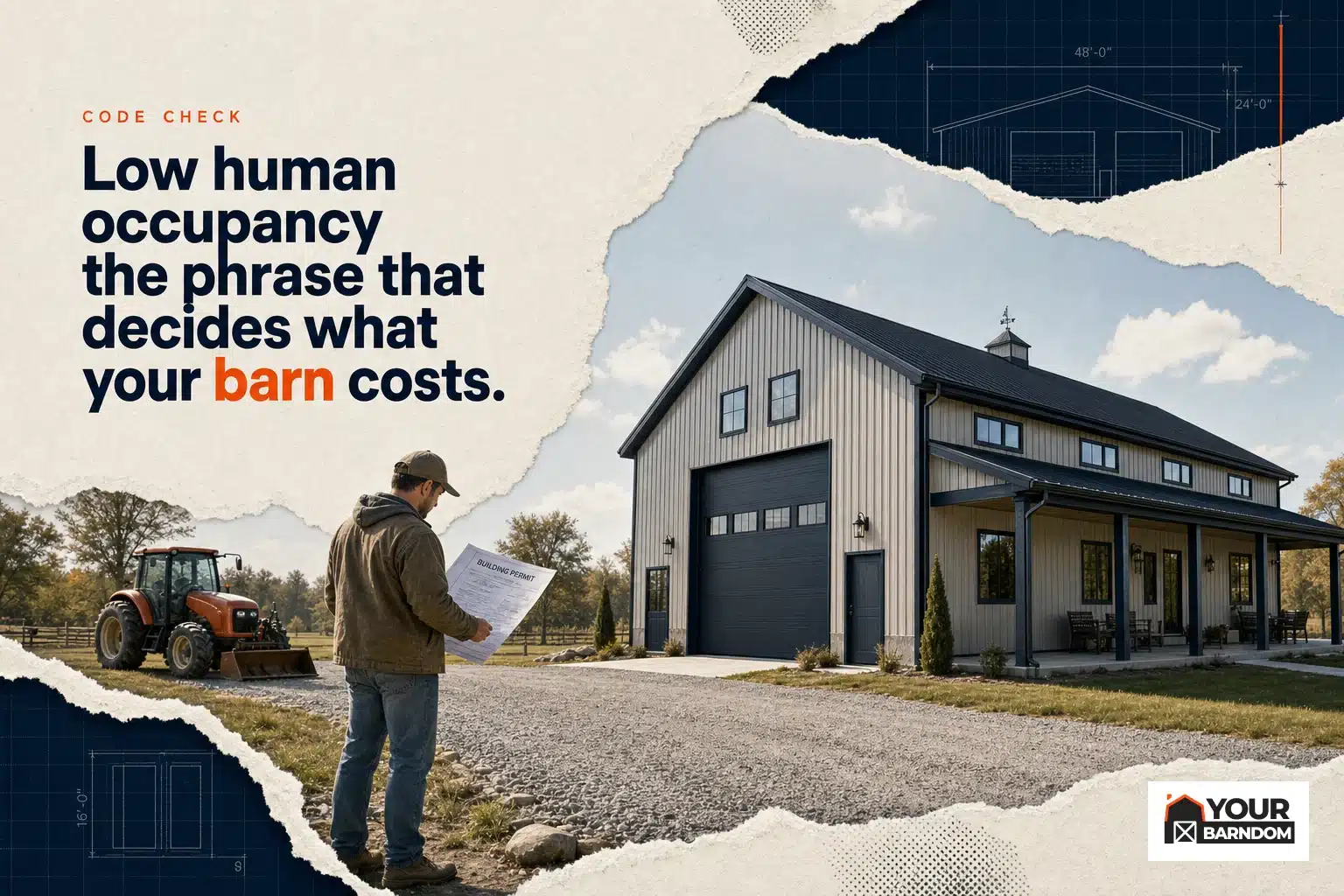
Low Human Occupancy: The Phrase That Decides What Your Barn Costs
Planning a new farm building in Canada? Understanding the term “low human occupancy” is key to reducing costs and compliance requirements for your rural project. This classification can relax structural and fire standards for farm buildings like barns and storage sheds that aren’t regularly occupied, but careful planning is essential to maintain this status. Consult local building authorities and verify barn kits align with local regulations to ensure a smooth building process.
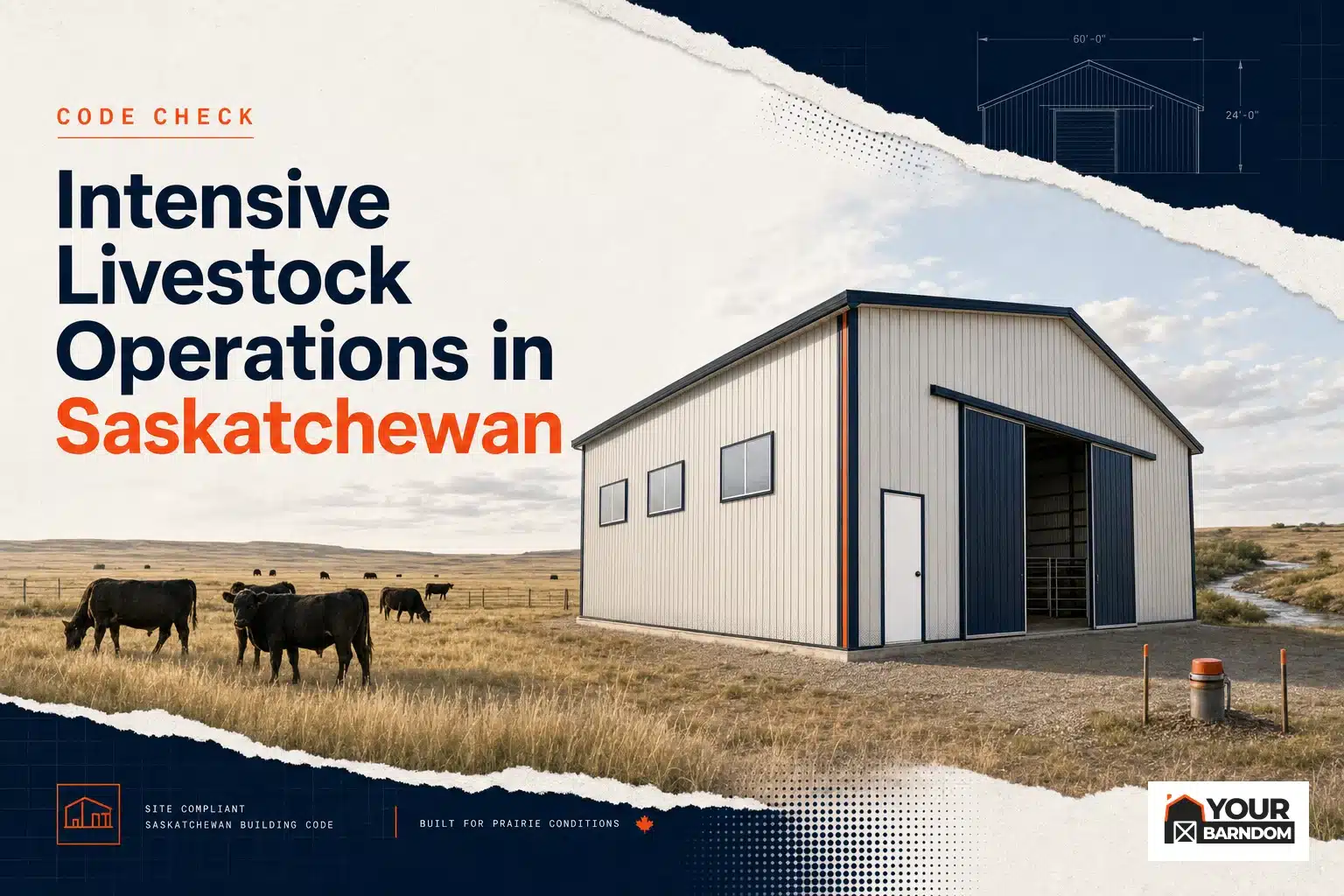
Intensive Livestock Operations in Saskatchewan: The Approval Thresholds
Thinking of expanding your livestock operation in Saskatchewan? Understand the intensive livestock operation Saskatchewan approval process before breaking ground. Key factors include animal unit counts, waste management, and proximity to water sources. Stay compliant with provincial regulations to avoid costly mistakes and protect community values.
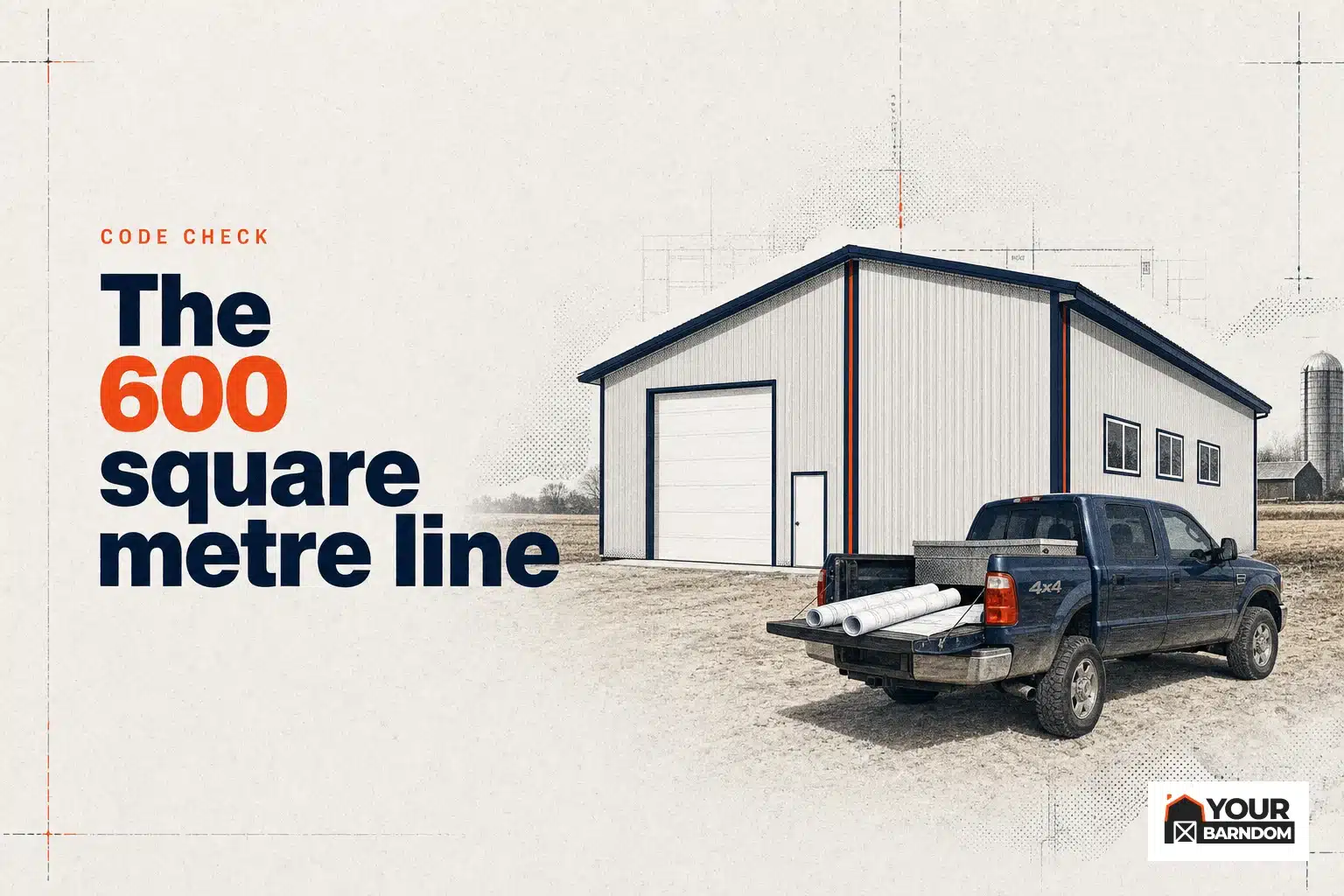
The 600 Square Metre Line: What Changes When Your Barn Crosses It
Planning a new barn or farm structure in Ontario? If it’s over 600 square metres, you’ll face stricter building code requirements under the 600 square metre farm building rule, triggering more design scrutiny and professional input. Understand what changes at this size threshold to avoid surprises and ensure smoother compliance. Whether staying under the line or going big, knowing the rules can streamline your build process.
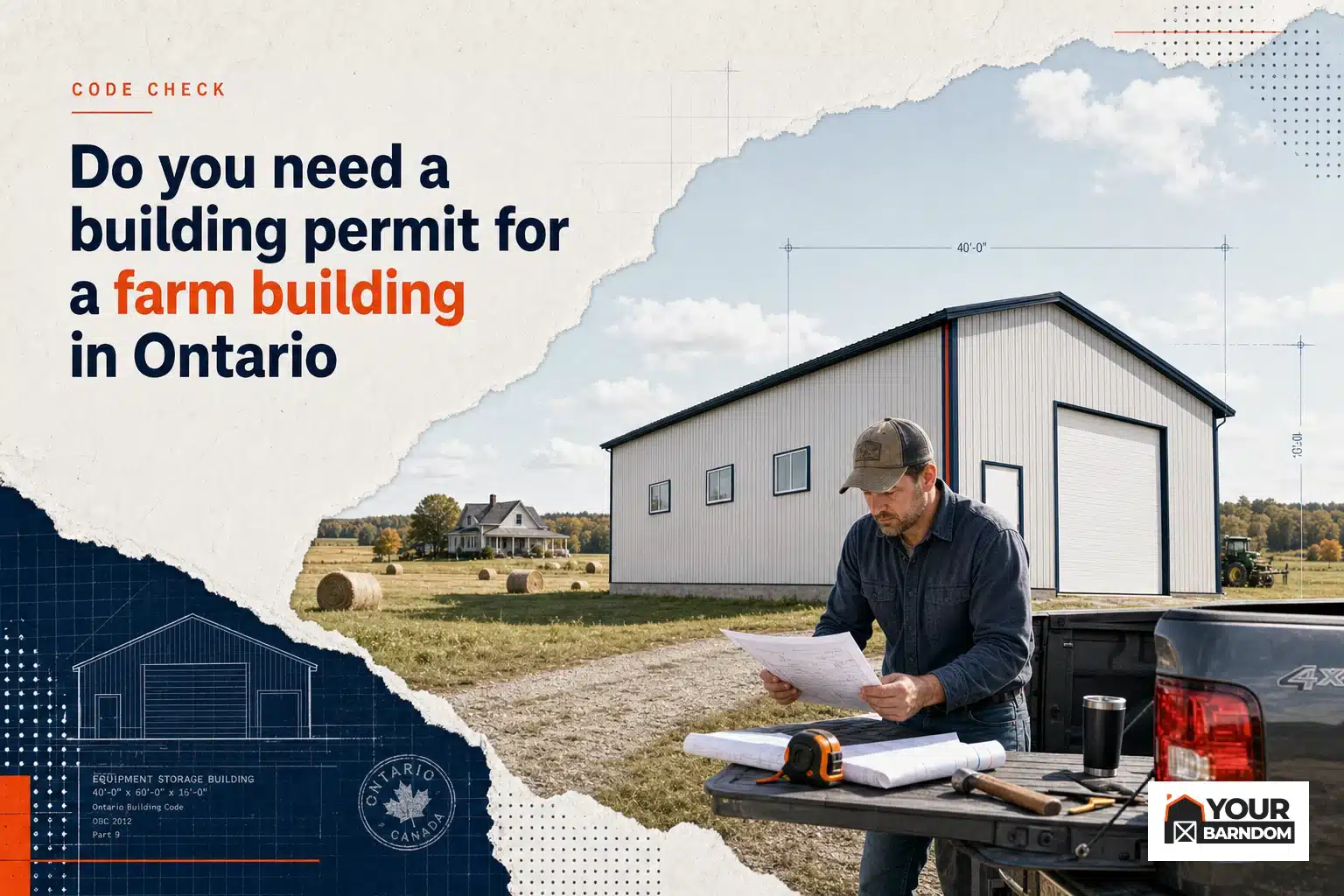
Do You Need a Building Permit for a Farm Building in Ontario?
Planning a farm building in Ontario? You’ll likely need a farm building permit, but it depends on the size and type of structure. The Ontario Building Code, enforced by local municipalities, outlines when permits are needed, usually for structures like barns or equipment sheds. Even small buildings under 50 square meters might not require a permit, but it’s essential to check with your local building department to comply with any additional bylaws. Don’t start your project without knowing the farm building permit requirements in Ontario to avoid complications later!
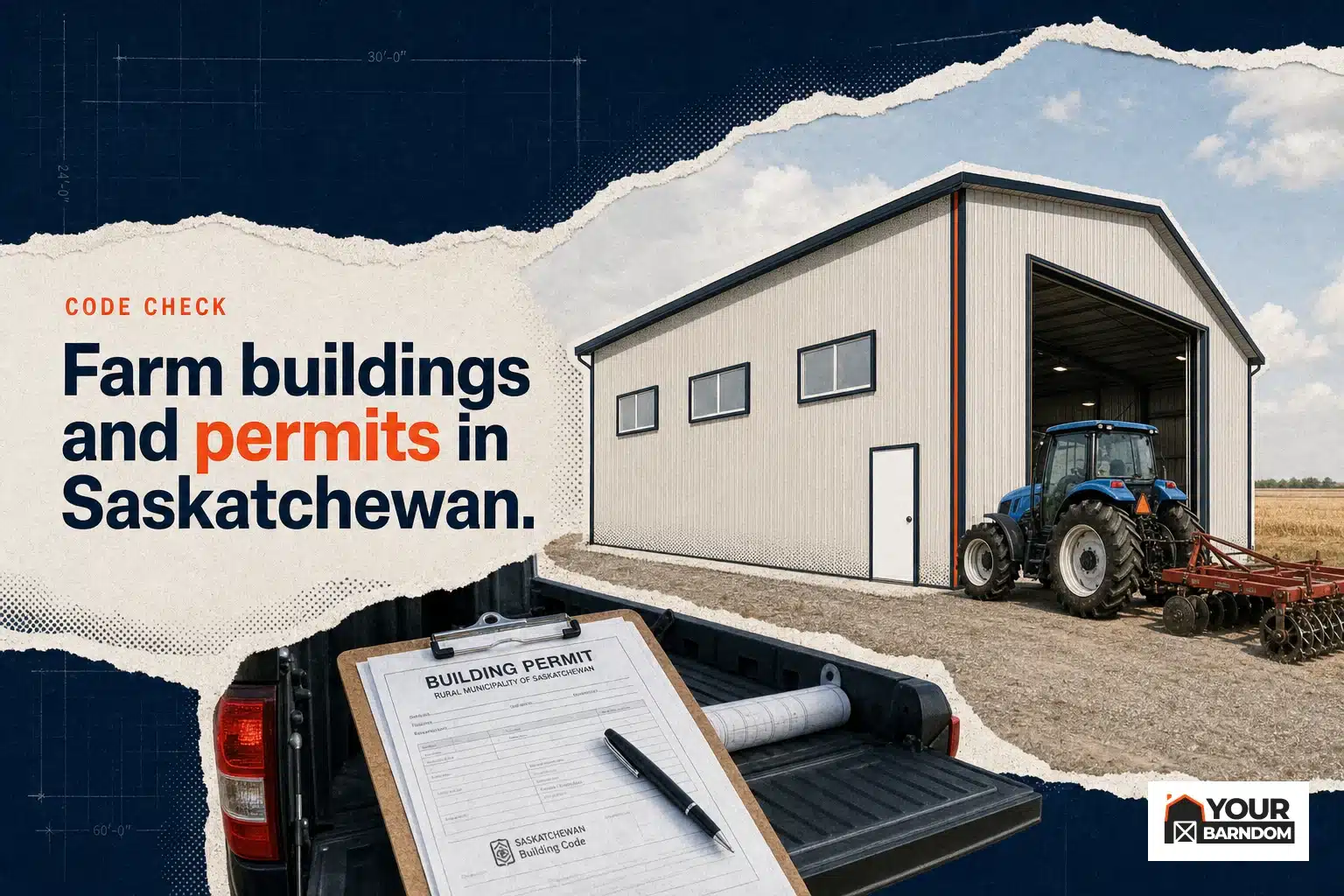
Farm Buildings and Permits in Saskatchewan: Exempt Is Not the Same as Unregulated
Planning a farm building in rural Saskatchewan? Don’t mistake “exempt” for “unregulated.” While Saskatchewan laws might grant farm buildings some exemptions, it doesn’t mean you skip permits entirely. Each rural municipality (RM) might have its own requirements, so always check local rules before starting your project to avoid surprises. Whether it’s a hay shed or a machine shop, understanding the farm building permit process in Saskatchewan is crucial.
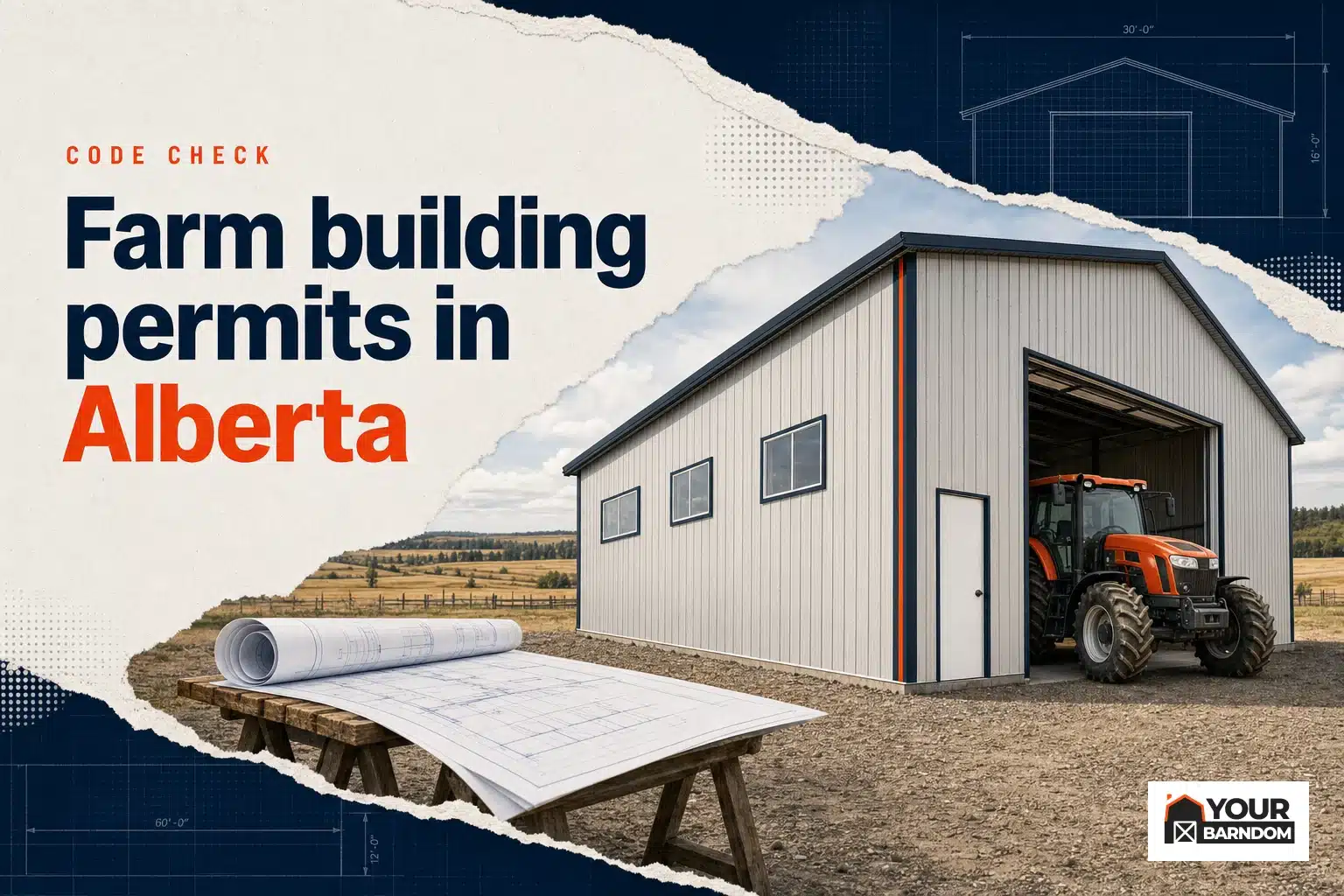
Farm Building Permits in Alberta and the Safety Codes System
Planning to build a barn or shop in Alberta? Understanding the farm building permit process is crucial to set up smoothly in rural areas. Local municipalities handle permits, but if they’re not accredited, the Alberta Safety Codes Authority takes over. Farm buildings often enjoy permit exemptions if used solely for agricultural purposes, yet development permits and discipline-specific permits for electrical, plumbing, or gas work are still necessary. Make sure you’re clear on the specifics to avoid hassles later.
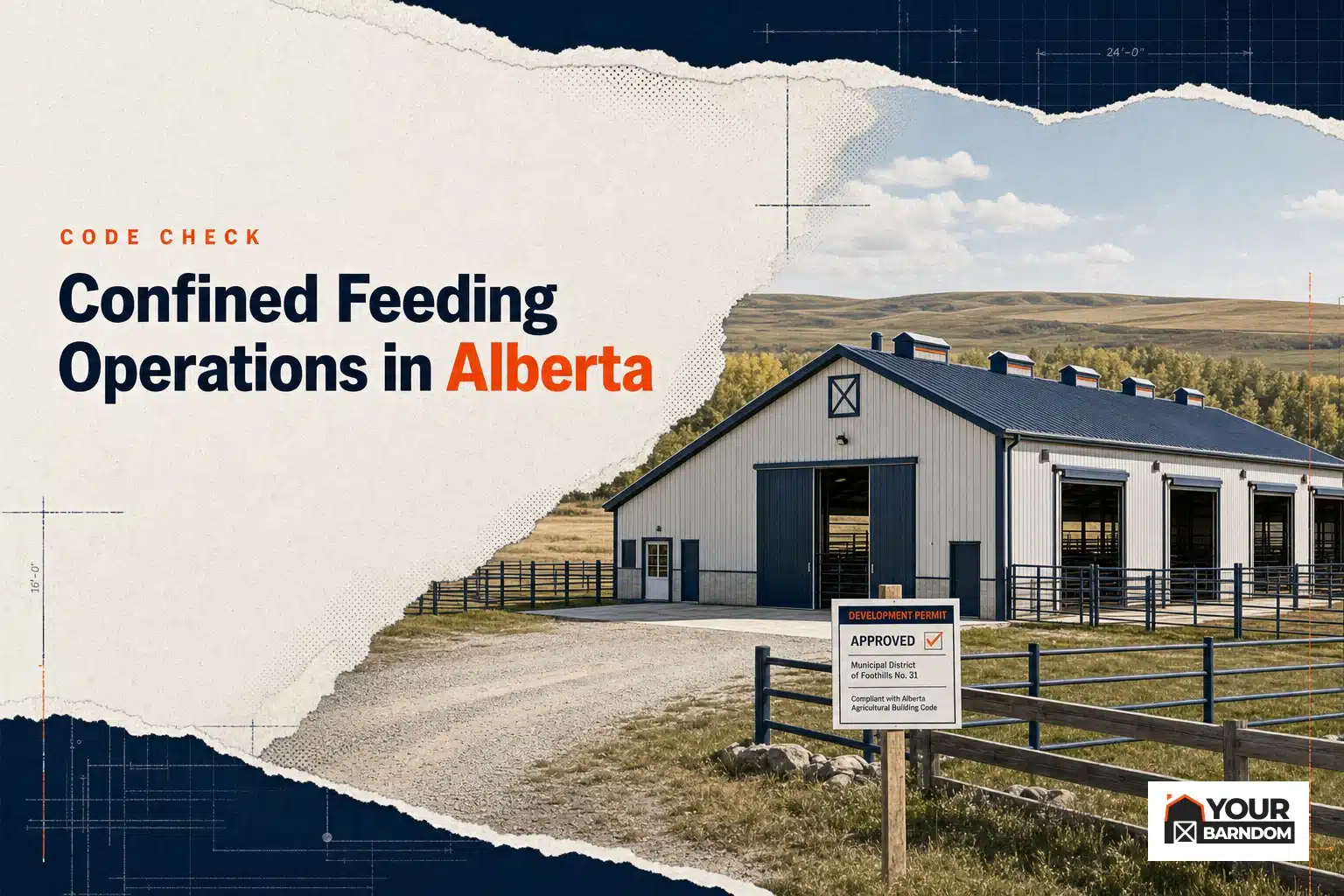
Confined Feeding Operations in Alberta: When You Need an NRCB Permit
Considering a new barn in Alberta? You’ll need to know when an NRCB permit is required. Under the Agricultural Operation Practices Act, confined feeding operations (CFOs) need specific permits for construction or expansion. From approval for large setups to authorizations for facility changes, understanding the types and process of NRCB permits ensures your project complies with provincial regulations. Don’t risk unauthorized construction—get the right NRCB permit for your Alberta barn.
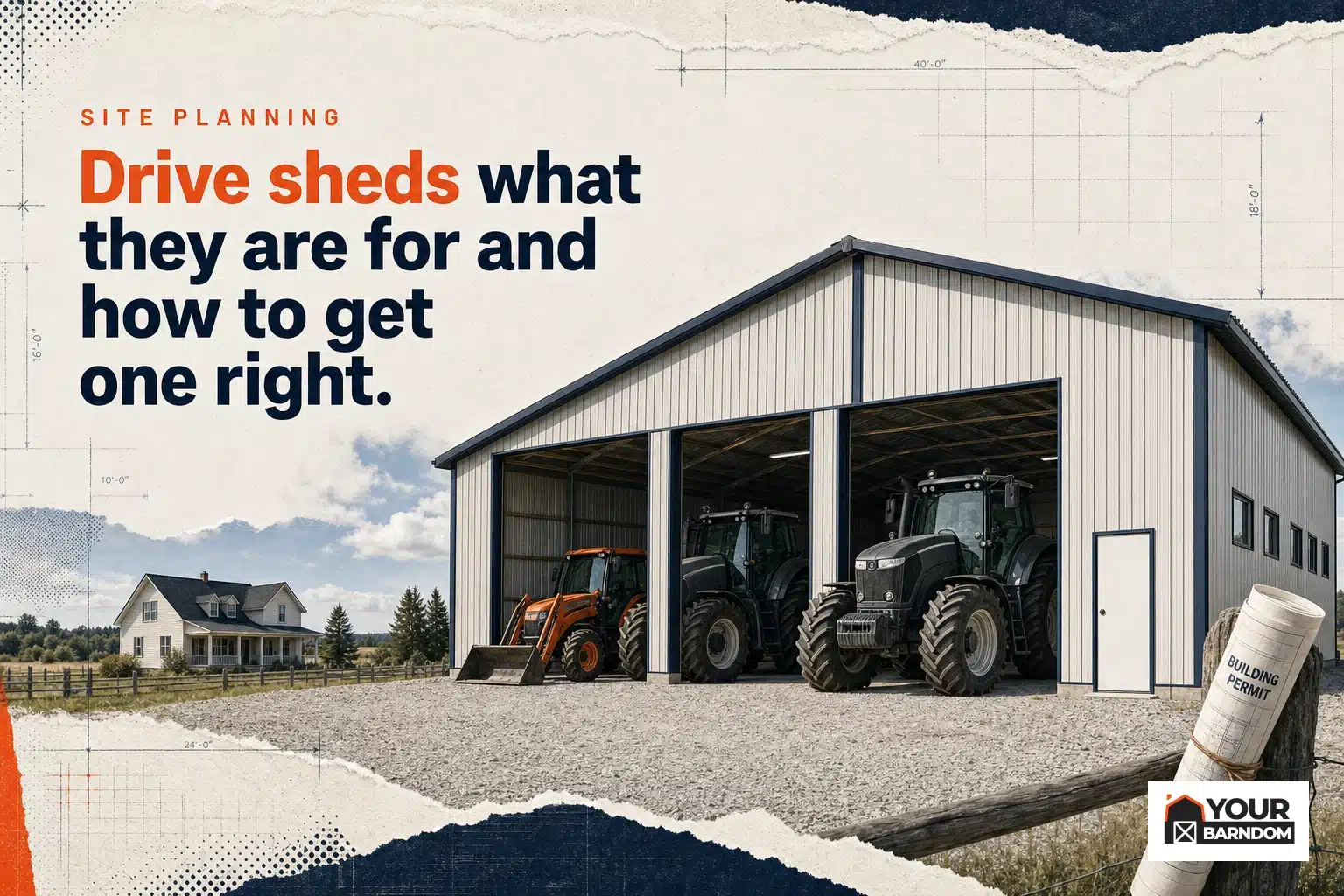
Drive Sheds: What They Are For and How to Get One Right
Considering a drive shed in Canada? It’s a must for farmers and rural property owners looking to store tractors, vehicles, and gear safely and out of the weather. Plan smart to avoid common missteps like building too small. Learn how to size, configure, and secure the right permits to make the most of your drive shed investment.
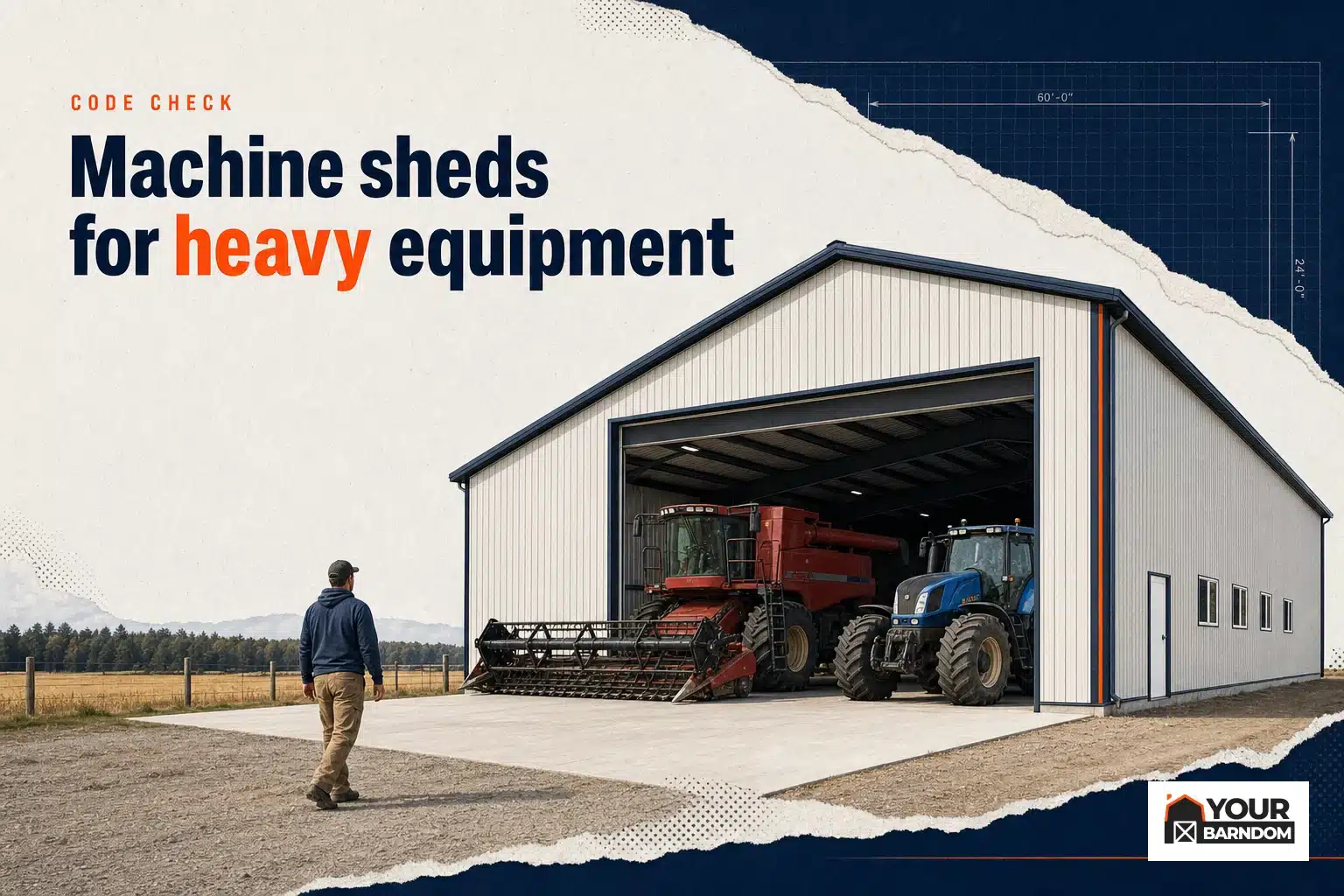
Machine Sheds for Heavy Equipment: Span, Height and Floor
When constructing a machine shed in Canada to house heavy equipment like combines or sprayers, it’s crucial to consider clear-span width, interior height, and floor strength. Unlike typical storage sheds, these structures require column-free space, generous eave heights, and robust flooring to handle the load. Overbuilt doors and proper access plans are vital for functionality. Investing in a well-designed machine shed ensures durability and flexibility for future equipment upgrades, making it a smart, long-term investment.