Building A Barndominium in Saskatchewan | Barndominiums in Canada
Are you dreaming of living in a modern, energy-efficient house in beautiful Saskatchewan? With the rise of barndominiums in Canada, this dream can become a reality. Barndominiums are metal or…

On this page
Building Barndominium in Saskatchewan: Your 2026 Prairie‑Proof Game Plan
Thinking about Building Barndominium in Saskatchewan? Pull up a chair—let’s have a Tim Hortons coffee talk about making a cold‑proof, budget‑savvy shop‑house that laughs at -40°C and still looks sharp in matte black. In 2026, acreage living is booming from Saskatoon to Moose Jaw, and the barndominium trend isn’t a fad—it’s the prairie workhorse. Whether you’re eyeing a 50′ clear‑span for sleds and seed drills or a cozy live‑work loft with a secondary suite for family, a steel‑framed shop‑house is the Swiss Army knife of rural builds.
Hook: Cost, Codes, and Comfort (Minus the Guesswork)
Curious about the “2026 Saskatchewan barndominium cost per square foot”? Want clarity on “Saskatchewan barndominium permits and zoning in RMs”? This guide translates code‑speak into plain talk, compares envelope options for -40°C, and shows how to keep overhead doors moving and utility bills tame. We’ll cover “Saskatchewan snow load engineered steel barndominium” requirements, shop‑house fire separations, and why triple‑pane windows are your best friend against prairie wind. We’ll also flag where Saskatchewan follows the National Building Code (Part 9 homes and small buildings) and when you drift into Part 3 territory because of size, usage, or occupant load.
Why Steel Scores in the Prairies
Clear‑span frames give you huge bays without interior posts, so the tractor, the toys, and the business all fit. Steel cladding shrugs off hail, sun, and freeze‑thaw. And that “Black Barndo” aesthetic—matte black siding with warm timber accents—keeps showing up in Saskatchewan Instagram feeds for a reason. If you’re comparing options, browse a barndominium in Canada gallery for inspiration and check lead times on building kits. For snow country cred, prioritize engineered girts/purlins, robust bracing, and properly detailed eave lines where drifts like to camp out after a nor’wester.
We’ll keep this guide Saskatchewan‑specific—think RM development permits, NBC 9.36 energy paths, radon rough‑ins, and winter pours. Planning to build near Regina or Prince Albert? The code rules shift slightly; the weather doesn’t. By the end, you’ll know how to budget, design, and schedule a resilient, efficient, and good‑looking barndo. When you’re ready to price, scope, or book an RM‑friendly plan review, tap our steel buildings in Saskatchewan resources and reach out via contact. Welcome to Building Barndominium in Saskatchewan—the 2026 edition.
Building A Barndominium in Saskatchewan | Barndominiums in Canada Gallery
Permits, Codes, and Energy: Saskatchewan’s 2026 Compliance Roadmap
Here’s the straight goods for Building Barndominium in Saskatchewan in 2026: Saskatchewan authorities reference the current National Building Code (NBC) as adopted provincially, with local tweaks in each municipality or RM. Your first stop is your Rural Municipality office. Look up your RM on Saskatchewan and confirm if a development permit is required before the building permit. Ask three things up front: is a dwelling with attached shop permitted on your zoning, what’s the maximum shop size/height, and which setbacks and limiting distances apply? Also verify all‑weather access, emergency turnarounds, culvert approvals, and drainage. City builds (Saskatoon, Regina, Moose Jaw) follow similar steps but expect a tighter submission checklist, possible energy documentation at intake, and more inspections.
Structural and Prairie Forces
Your structural drawings must be sealed by a Saskatchewan P.Eng. for frames, purlins/girts, and connections. Design to NBC climatic data for your municipality and site exposure. That means: roof snow loads including importance category, rain‑on‑snow, and drift at step/valley transitions—especially near tall parapets and at those big overhead door openings that interrupt load paths. Don’t underplay wind: open prairie exposure demands uplift restraint, diaphragm continuity, and proper shear walls or braced frames. Use engineered anchor solutions at base plates; screws and hopes don’t count. Foundations need frost protection (often 1.2 m below grade to local frost depth) or engineered piles and/or frost‑protected shallow foundations (FPSF) with validated details. Get geotechnical input where there’s expansive clay, saline soils, or a high water table; it’s the least glamorous drawing on the set and the one that decides whether your slab stays pretty.
-40°C Envelope and Mechanics: NBC 9.36 in Practice
Saskatchewan’s small residential barndominiums typically comply under NBC Part 9, with energy compliance via 9.36. You can choose prescriptive, performance modelling, or trade‑off. In 2026, inspectors expect real airtightness, not just a promise. Practical targets: ≤ 2.5 ACH50 for mixed shop‑house projects; lower if you want heat pump glory. Use continuous exterior insulation over steel framing to kill thermal bridges, plus high‑R attic or roof insulation (raised‑heel trusses help get full depth over the plates). Detail robust air/vapour control layers—taped exterior sheathing membranes or interior poly where appropriate—and protect them at service cavities so the electrician doesn’t swiss‑cheese your blower door score. Specify triple‑pane low‑e windows with warm‑edge spacers and frames rated for Canadian prairies; pay attention to U‑values and SHGC depending on orientation. Doors? Insulated overheads at R‑16+ with tight perimeter seals, and swing doors with low U‑factors and real weatherstripping.
Mechanical design lives under NBC 9.32 and CSA F326. Provide balanced HRV with dedicated stale air pickups in kitchen (not the range hood) and baths, and fresh air supply to bedrooms and living areas. Size ducts to avoid hair‑dryer noise at -30°C. Heat pumps are absolutely viable—choose cold‑climate ASHPs with published capacity at -30°C and defrost logic that won’t ice up in blowing snow; add an auxiliary heat strategy (hydronic slab, variable‑stage gas furnace, or electric resistance with controls that prioritize the compressor). Protect condensate lines and drains from freezing. For combustion appliances in the shop area, go sealed/direct‑vent and keep shop and home systems completely separate—no shared returns, no leaky interconnections. If you tip into Part 3 because of size or occupancy, expect NECB energy compliance for the shop area and a more involved mechanical/lighting envelope review.
Health, Fire, and Inspections
Radon is a prairie reality: install a sub‑slab depressurization rough‑in (tee and capped stub to an accessible location) and test post‑occupancy. For shop‑house fire separations, plan 45–60‑minute rated wall and ceiling assemblies between the shop and dwelling, continuous to the underside of the roof deck; use Type X gypsum, protected penetrations, and self‑closing solid‑core or rated doors with proper seals. No shared ductwork—ever—and no door opening directly into a sleeping room. Pay attention to limiting distance if your building is near a property line; window area and cladding combustibility may be restricted on those faces. Electrical is via SaskPower, gas via SaskEnergy, wastewater via the Saskatchewan Health Authority for on‑site systems, and wells via the Water Security Agency. Most jurisdictions want engineered foundation/steel shop drawings, truss/shop calcs, and your energy compliance path at permit. Commission the HRV and, where required, complete blower door testing before final. That’s Building Barndominium in Saskatchewan done the right way.
2026 Saskatchewan Context and Cross‑Provincial Notes
Unlike BC’s Energy Step Code tiers, Saskatchewan sticks to NBC 9.36 paths unless your project is Part 3/NECB. Also, don’t bank on Ontario‑style rebates—Saskatchewan’s incentives shift; check current programs before you splurge on equipment. Bottom line: in 2026, inspectors are sharper on airtightness, radon, and proper shop‑house separations. Get those three right and your file glides; miss them and you’ll be shovelling paperwork instead of snow.
Designing for Live‑Work‑Play: Clear‑Span Steel That Warms Up to -40°C
Barndos shine because they flex. For Building Barndominium in Saskatchewan, the Live‑Work‑Play model slots perfectly into prairie life: tall bays for work, quiet suites for family, and mudrooms that swallow slush. Clear‑span steel frames remove interior posts, so you can park the combine, set up a woodworking corner, and still have room for a hockey‑shooting lane. Need ideas? Explore building kits with shop‑house options and load‑friendly rooflines that handle drift zones without weird interior drop beams.
Shop‑House Plans That Actually Fit
Popular “Shop‑house barndominium plans for -40°C Saskatchewan” include 40’–60′ clear spans with 14’–16′ high overhead doors, plus a 1.5‑ to 2‑storey living wing. If you’re in Regina or Prince Albert, check limiting distances at property lines—window sizes along those walls may be capped and cladding choices restricted. Inside, push bedrooms to the leeward side to soften wind chill and orient main living to capture southern sun without glare. Stack plumbing on interior walls so pipes stay toasty and maintenance is sane. A secondary suite for multi‑generational living? Use resilient channels, mineral wool, and dedicated HRV zones for privacy and quiet, and confirm separate egress and fire separations per NBC.
Black Barndo Aesthetic without the Heat Penalty
The 2026 “Black Barndo” look—matte black steel siding with timber porches—still rules feeds across steel buildings in Saskatchewan. Combine dark walls with a high‑reflectance metal roof if overheating is a summer concern, and detail thermal breaks at steel girts/hat channels to stop ghosting and condensation lines. Raised‑heel trusses, continuous insulation, and proper air‑barrier transitions (slab‑to‑wall, wall‑to‑roof) mean you can look cool and still beat the deep freeze. If you’re adding dormers or bump‑outs, run the energy details through those changes so you don’t create cute ice dams.
Windows, Doors, and Air Control
Go triple‑pane low‑e, multi‑point locks, and insulated overhead doors (R‑16+; R‑18+ if your shop is kept at 15–18°C all winter). Add vestibules where possible—Saskatoon winter air will thank you—and use smart sill pans and back dams to keep meltwater out of finishes. To prevent ice dams and attic rain, design balanced intake/exhaust ventilation, maintain continuous air control, and air‑seal every penetration with mastic or gaskets (spray foam everywhere is not a plan). Integrate mechanicals smartly: keep shop and home ducts fully separated, provide transfer grilles only within the dwelling zone if needed, and size a cold‑climate heat pump with Manual‑J‑style heat‑loss calcs (or equivalent) to reduce strip heat runtime. Add ceiling fans in the shop to destratify and save on heat, and don’t forget make‑up air if you’ve got a paint booth or big exhaust fans.
Outside, think prairie proofing: orient overhead doors away from prevailing northwest winds to reduce drift piles, spec drifting‑resistant snow fences if you’re wide open, and plan a service corridor on the leeward side for meters and mechanicals so techs aren’t wrestling storms every tune‑up.
Nationwide Barndominium Excellence
Building Your Dream Home Across Canada, One Barndominium at a Time
Our commitment to excellence has enabled us to provide superior barndominiums and outstanding customer service across Canada. Whether you're in the bustling urban centers of Alberta, the vibrant cities of Ontario, the serene rural areas of British Columbia, or anywhere in between, Your Building Team has the skills and knowledge to bring your barndominium project to fruition. We proudly serve clients in Manitoba, Quebec, Saskatchewan, New Brunswick, and Nova Scotia. Wherever you are, we are dedicated to making your dream barndominium a reality.
-
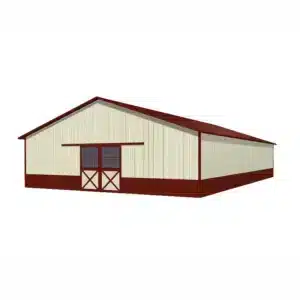
40x60x16 Metal Shop Package | Farm Building (Deposit)
$17,500.00 Add to cart -
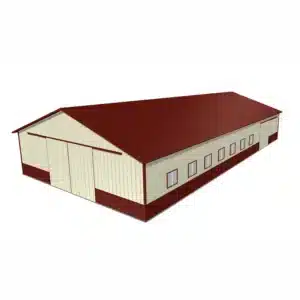
40x80x16 Metal Barn Kit | Steel Farm Building & Machine Shed (Deposit)
$23,500.00 Add to cart -
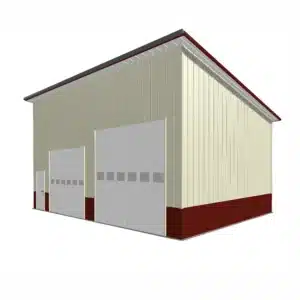
20x32x10 Metal Barn Kit | Steel Building & Garage (Deposit)
$7,500.00 Add to cart -
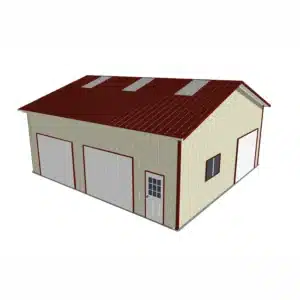
30x30x12 Metal Barn Kit | Steel Farm Shop Building (Deposit)
$8,500.00 Add to cart -
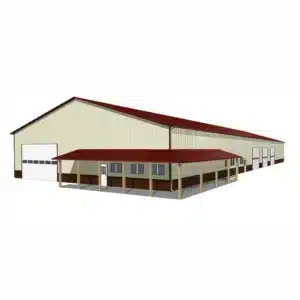
70×180 Agricultural Building Kit (Deposit)
$91,500.00 Add to cart -
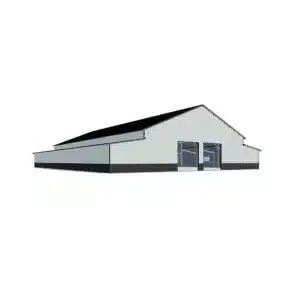
60×120 Monitor Barn Kit with Dual 14′ Lean-tos – Master Series (88×120)(Deposit)
$77,000.00 Add to cart
Insider Prairie Playbook: Financing, Acreage Smarts, and Cost Control
Let’s talk money and mud. The insider secret for Building Barndominium in Saskatchewan in 2026? Pair your stamped plans with a rural‑savvy lender. Local credit unions and agricultural lenders understand mixed‑use shop‑houses far better than big‑city banks. Farm Credit Canada is increasingly open—search “Farm Credit Canada barndominium financing Saskatchewan”—but bring a clean budget, appraisal, builder resume, and a draw schedule tied to foundation, shell, lock‑up, rough‑ins, and finishes. Agricultural lenders want clarity on income‑producing uses in the shop, insurance on tools/equipment, and how you’ll value both spaces in the appraisal. If your project’s dwelling portion is under Part 9 but the shop stretches big, be ready to show the separation line, each code path, and the insurance underwriter will breathe easier.
Budget Benchmarks and Where Costs Creep
Folks ask about the “2026 Saskatchewan barndominium cost per square foot.” Expect a spread between living space and shop: higher for the dwelling (finishes, HRV, triple‑pane), lower for the shop (insulated, heated, durable). Don’t skip the cold‑climate bundle—continuous exterior insulation, high‑R roof, and airtightness—because the ROI lands in energy savings and comfort when the mercury nosedives. Add a rural services line: well, septic, power trenching, gas, a proper driveway base, and contingency for hoarding or winter heat during pours. In 2026, lead times are better than 2022’s chaos, but specialty overhead doors, triple‑pane windows, and custom colour steel still need slack in the schedule. Value‑engineer smart: simplify roof geometry (gables beat hips), reduce unnecessary penetrations, and concentrate glazing where it counts rather than wrapping every wall in glass you’ll just insulate behind with blinds.
Acreage Tips That Save You Headaches
– Site your shop doors to dodge prevailing winds and drifting.
– Keep delivery routes wide and well‑based; RMs may ask for culvert approvals.
– Pitch stormwater away with swales and long downspout throws; it’s how you beat the deep freeze and the spring thaw.
– Order overhead doors and windows early; 2026 lead times can nip schedules.
– Insist on P.Eng. review for overhead door headers and drift zones—cheap insurance.
– Plan for a generator pad or at least a transfer switch; prairie outages happen at the worst times.
– Specify light‑coloured shop ceilings and high‑bay LEDs with motion/daylight controls for sanity and savings.
– Include a wash bay or utility drain with oil/grit interceptor if you’re wrenching; confirm with the Health Authority for onsite systems.
Procurement, Contracts, and Risk
Lock in steel and window lead times with vendors who provide Saskatchewan P.Eng. stamps and CSA/ASTM listings. Compare building kits that include engineering and installation docs; make sure fasteners, flashings, closures, and sealants are in the crate. Use holdbacks and lien searches, and carry course‑of‑construction insurance through framing to occupancy. Insist on written scope, substitution rules, and who owns winter heat/hoarding. If you plan a winter pour, budget for heated blankets, admixtures, and more inspections. Finally, if you need a lender‑ready package or an RM‑friendly checklist for Building Barndominium in Saskatchewan, we’ve got you—tap our contact page for a pre‑permit review.
Ready to Build Smart? Your Saskatchewan Barndo Starts Here
If you’ve read this far, you’re serious about Building Barndominium in Saskatchewan—and you should be. Steel’s clear‑span flexibility, shop‑house fire safety, and -40°C envelope detailing add up to a home that works as hard as you do. From RM permits and NBC 9.36 energy paths to radon rough‑ins, HRV commissioning, and that Black Barndo curb appeal, the 2026 blueprint is clear. Keep costs disciplined with a phased draw schedule, an airtightness target, and early orders on overhead doors and windows. Leverage the insider financing route—local credit unions or ag lenders alongside Farm Credit Canada—so your mixed‑use valuation makes sense to the underwriter. And remember: Saskatchewan doesn’t run on BC’s Step Code or Ontario’s rebate playbook—your winning hand is airtightness, insulation continuity, and right‑sized mechanicals.
What You’ll Get with Our Saskatchewan Package
– Lender‑ready budget and draw schedule.
– P.Eng.‑stamped structural and foundation drawings for prairie snow and wind.
– NBC 9.36 energy compliance path (prescriptive, trade‑off, or modelled).
– Shop‑house separation details and RM‑friendly plan notes.
– A selection of building kits tailored to Saskatchewan drift/wind conditions.
– Procurement guidance for steel buildings in Saskatchewan and a realistic lead‑time tracker.
Take the Next Step
Start with a no‑pressure quote for your acreage near Saskatoon, Regina, Prince Albert, or Moose Jaw. Send your site pin, desired square footage, door heights, and spec level, and we’ll return a fast, transparent scope. Browse our barndominium in Canada resources, confirm your RM requirements on Saskatchewan, then hit contact to book a free pre‑permit plan review. Building Barndominium in Saskatchewan is more than a trend—it’s a practical, resilient way to live, work, and play on the prairies. Let’s pour the slab, beat the deep freeze, and raise a shop‑house that’ll outlast the next generation of snowdrifts.
Not building to live in? We also supply farm shop and barn kits in Saskatchewan – drive sheds, farm shops, horse barns and machinery storage, engineered to the same Saskatchewan loads.