Building A Barndominium in British Columbia | Barndominiums in Canada
Are you considering a unique living experience? Building a Barndominium in British Columbia offers the perfect combination of rustic charm and luxurious living. These steel structures provide durability, low maintenance,…

On this page
Building Barndominium in British Columbia: Your 2026 Game Plan Starts Here
If you’re serious about Building Barndominium in British Columbia, pull up a chair—this is the Tim Hortons coffee talk you actually needed. In 2026, BC has the most ambitious low‑carbon housing rules in Canada, and barndos are thriving because steel is fast, durable, and WUI‑friendly. Whether you’re picturing acreage living with a big shop, a legal suite for the in‑laws, or that moody Black Barndo aesthetic everyone’s saving on Pinterest, Building Barndominium in British Columbia is more practical than you think. Want a sense of how your plan stacks up nationwide? Start comparing barndominium in Canada options, then dial into the local playbook for Building Barndominium in British Columbia that actually passes permit.
Why now? Two reasons. First, BC’s electrification push means your all‑electric, EL‑4‑ready shop‑house is future‑proof. Second, modern steel delivers clear spans, tall bays, and crisp fire‑resistant cladding—perfect for shop‑heavy homes from the Okanagan to the Island. If you’ve been Googling barndominium cost per square foot BC 2026 or hunting for barndominium builders British Columbia EL‑4 compliant, you’re in the right spot. We’ll cover pricing signals, timelines, permit traps, and how to design a Live‑Work‑Play plan that actually works when the deep freeze arrives in the Interior and the rain shows up on the coast.
Prefer to start with steel first? Here’s your local launchpad for steel buildings in BC. We’ll also get into how to spec rainscreen matte black siding, clear‑span trusses, EL‑3 vs EL‑4 choices, and WUI wildfire measures that insurers like. Stick with me, and by the end you’ll have a clean checklist for Building Barndominium in British Columbia—no fluff, no buzzwords, just practical steps that keep your budget and schedule honest. And yes, we’ll keep the tone Canadian: straight talk, dry humour, and zero corporate waffle.
Building A Barndominium in British Columbia | Barndominiums in Canada Gallery
2026 Permits, Codes, and EL‑4 Compliance in BC
Building Barndominium in British Columbia starts with zoning. Confirm the parcel allows a combined shop + dwelling (home‑based business, accessory uses, and floor‑area caps matter), and whether you’re in the ALR with siting/size limits. The province’s rules and links live here: BC. Expect a Building Permit with engineered drawings stamped by a BC P.Eng. for your steel frame, clear‑span trusses, mezzanines, and overhead doors. If you’re near riparian areas, steep slopes, wildfire interface, or a form‑and‑character zone, a Development Permit likely joins the party. Local bylaws may also trigger sprinklers depending on hydrant distance, driveway access, and water supply. That’s the real‑world baseline for Building Barndominium in British Columbia.
Part 9 vs Part 3 and Occupancies
Most barndominiums target BCBC Part 9 (small buildings: ≤3 storeys, ≤600 m² per major occupancy). Go bigger than that, or mix occupancies in ways that push fire area limits, and you’re into Part 3, which ups the ante on fire protection, exits, and professional involvement. Your residence is Group C; the shop is typically Group F3 (low hazard) or F2 (medium hazard) depending on what you store and the fuels/solvents in play. Between spaces, you’ll need code‑rated fire separations, CO/smoke alarms, and protected openings. If sprinklers are required or chosen, you’ll typically see NFPA 13D/13R systems in residential portions and appropriate suppression in shop areas based on hazard classification.
Zero Carbon Step Code (EL‑3 vs EL‑4)
BC’s Zero Carbon Step Code overlays the Energy Step Code to address operational carbon. Many jurisdictions are at EL‑3 today, and a growing list is moving to EL‑4 (all‑electric) for 2026. For Building Barndominium in British Columbia that sails through review, design for EL‑4: cold‑climate air‑source heat pumps (space heating/cooling), a heat pump water heater, induction cooking, and no on‑site fossil fuel. If your local bylaw still allows EL‑3, you’ll document equipment emissions (MEUI/greenhouse gas calculations) and submit mechanical schedules plus Letters of Assurance (Schedule B) from your coordinating professionals.
Energy Step Code and Testing
Energy Step Code compliance focuses on airtightness and modeled performance (TEDI/TEUI/MEUI). For 2026 barndos in colder zones, aim for Step 4‑ish targets on the home portion for comfort and resilience; many jurisdictions already require Step 3+ for Part 9. That means: pre‑construction energy modeling, continuous air and vapour control layers, thermal breaks at steel members, and high‑performance windows/doors sized for climate. A blower door test is mandatory at the end (and smart money does a mid‑construction test, too). HRV/ERV ventilation must be right‑sized, ducted thoughtfully, balanced, and commissioned. Add solar‑ready conduit and roof loading so future PV doesn’t turn into a change order circus.
Structure, Snow, and Seismic
BC spans Canada’s most varied snow loads and highest seismicity. Your P.Eng. will design to BCBC loads for your specific site: ground snow load (Pg) from coastal rain‑snow to Interior dumps, wind exposure on open acreages, and seismic design per NBCC (as adopted by BCBC). Pre‑engineered metal buildings must be certified to CSA A660, with fabrication by CWB‑certified shops (W47.1). Mezzanines, catwalks, and overhead crane rails? Flag them early for load paths and deflection criteria. Wide overhead doors are brilliant—just brace the lateral system accordingly and detail slab thickening where trucks and hoists live.
WUI Wildfire and Fire‑Resistant Steel Details
In wildfire‑prone zones, non‑combustible steel cladding and roofing shine—but details seal the deal. Specify ember‑resistant vents with 1/8 in. corrosion‑resistant mesh, limit underside openings, use tempered or rated glazing on exposure sides, and keep decks/stairs non‑combustible. Maintain defensible landscaping zones and clean gutters like it’s a religion. Many BC communities map Wildfire DPAs—expect additional reviews there. Building Barndominium in British Columbia also means verifying interface separations between Group C and Group F occupancies, installing self‑closing devices where required, and using listed fire‑stopping for all penetrations through rated assemblies.
Coastal Rainscreen and Moisture Control
On the coast, BCBC prescribes drained and vented rainscreens for most cladding in designated areas. For a Black Barndo look, specify matte or textured steel with corrosion‑resistant fasteners, stainless trim where it counts, and a 10–19 mm capillary break behind the cladding. Pair with continuous exterior insulation to kill thermal bridges at girts/purlins. Vapour control varies by climate zone; don’t copy Prairie details onto the Wet Coast. Air and water sealing at door thresholds, overhead door jambs, hose bibs, and service penetrations separates pros from pretenders.
Permitting, Inspections, and Warranty
Submit your permit set with stamped structural, energy model reports, mechanical schedules, and site plan (grading, access, hydrants/water). Coordinate geotech where slopes or poor soils lurk. Inspections will hit foundations, framing, rough‑ins, insulation/air barrier, and final. Do the blower door when the air barrier is still accessible. For new dwellings, you’ll need a Licensed Residential Builder providing a 2‑5‑10 home warranty, or an Owner Builder authorization approved before permit intake. Wrap it with Letters of Assurance at occupancy and you’ll earn that coveted green tag.
Designing a Live‑Work‑Play Barndo That Thrives in BC
Here’s the fun part: Building Barndominium in British Columbia lets you carve out huge, flexible interiors. Clear‑span steel swallows trucks, boats, and a full woodshop without a forest of posts. The Live‑Work‑Play model puts the shop where it’s useful, the suite where family can stay long‑term, and the main home where views and passive solar make sense. Clear‑span trusses deliver column‑free shop bays, easy future mezzanines, and giant overhead doors—perfect for a shop house barndominium with suite BC buyers keep asking about. If your vision is the “Black Barndo,” pair matte black steel with a rainscreen, corrosion‑resistant fasteners, and coastal‑grade trims. Add a lighter roof colour inland to shave cooling loads without giving up the vibe.
Envelope, Acoustics, and Comfort
For Building Barndominium in British Columbia that beats the deep freeze and the wet coast, specify continuous exterior insulation (think 2–4 inches of mineral wool or rigid foam), thermal‑break girts, and airtight detailing. Use advanced tapes, gaskets, and back‑pans at windows. In the shop/house interface, build rated assemblies with double studs or resilient channels plus mineral wool for serious sound control. Suites need their own egress, parking, ceiling heights, and dedicated ventilation to pass 2026 scrutiny. And because you’ll likely electrify for EL‑4, plan mechanical closets big enough for a heat pump water heater, HRV/ERV, condensate routing, and distribution. A covered mudroom with a floor drain will become your Saturday MVP.
Mechanical and Electrical, the 2026 Way
Cold‑climate heat pumps do the heavy lifting. In the Interior and North, consider multi‑stage or cascade systems and confirm low‑ambient capacity at your design temperature. Zonal ducted systems help tame acoustics versus wall cassettes next to bedrooms. For DHW, heat pump water heaters with mixing valves keep the taps safe and efficient. Go induction for cooking; plan a robust make‑up air strategy if the range hood approaches commercial territory in the shop kitchen. Electrical: 200A is baseline, 320A is common for welders/compressors/EVs. Pre‑wire for two Level 2 EV circuits, and leave panel spaces for future PV and battery storage. If you’re planning weld bays, isolate sensitive home circuits to protect electronics from voltage dips.
Kits vs Custom and Future‑Proofing
Deciding between pre‑engineered and custom? Pre‑engineered can compress timelines and costs, while custom design‑build tailors bay spacing, glazing, and roof pitches to views, snow shedding, and municipal form‑and‑character. Either way, start with reputable metal building kits or a designer‑led package, and demand CSA A660 credentials. For coastal builds, protect edges, flash every penetration, and detail kick‑out flashing like your occupancy depends on it (because it does). Plan solar‑ready conduits, EV rough‑ins, and panel capacity for welders and compressors so Building Barndominium in British Columbia stays future‑ready. Add dog‑wash stations, gear lockers, hose bibs in heated alcoves, and covered entries; you’ll thank yourself on slushy Saturdays after a supply run.
Site Planning and Civil Stuff Nobody Mentions
Put doors and aprons where trucks actually turn. A 60–80 ft turning radius saves bumpers and marriages. Raise finished floor elevations above local high‑water events; add perimeter drains to daylight. In snow country, design roof geometries and snow guards so the avalanche doesn’t land on your heat pump or your mother‑in‑law’s Subaru. On the coast, push splashback away from metal bases with generous drip edges and hardscape. Orient glazing for daylight without cooking the shop; north‑light clerestories are underrated. And please: slope the slab to a trench drain if your hobbies include anything that leaks.
Nationwide Barndominium Excellence
Building Your Dream Home Across Canada, One Barndominium at a Time
Our commitment to excellence has enabled us to provide superior barndominiums and outstanding customer service across Canada. Whether you're in the bustling urban centers of Alberta, the vibrant cities of Ontario, the serene rural areas of British Columbia, or anywhere in between, Your Building Team has the skills and knowledge to bring your barndominium project to fruition. We proudly serve clients in Manitoba, Quebec, Saskatchewan, New Brunswick, and Nova Scotia. Wherever you are, we are dedicated to making your dream barndominium a reality.
-
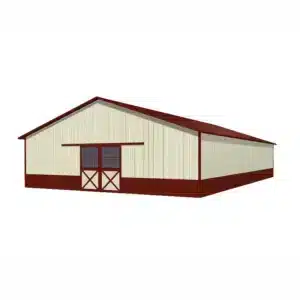
40x60x16 Metal Shop Package | Farm Building (Deposit)
$17,500.00 Add to cart -
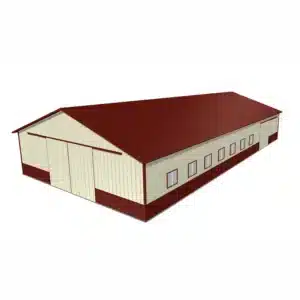
40x80x16 Metal Barn Kit | Steel Farm Building & Machine Shed (Deposit)
$23,500.00 Add to cart -
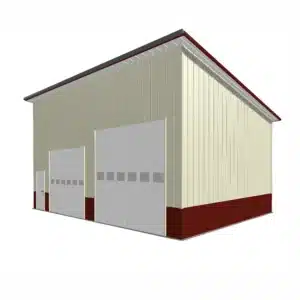
20x32x10 Metal Barn Kit | Steel Building & Garage (Deposit)
$7,500.00 Add to cart -
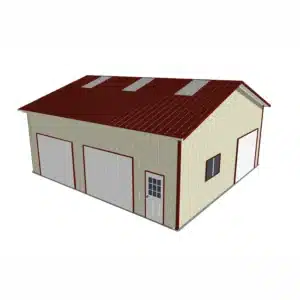
30x30x12 Metal Barn Kit | Steel Farm Shop Building (Deposit)
$8,500.00 Add to cart -
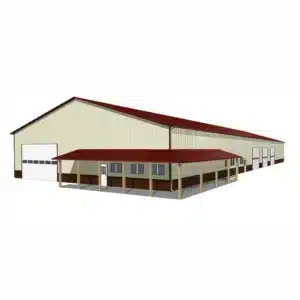
70×180 Agricultural Building Kit (Deposit)
$91,500.00 Add to cart -
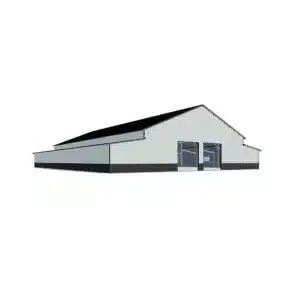
60×120 Monitor Barn Kit with Dual 14′ Lean-tos – Master Series (88×120)(Deposit)
$77,000.00 Add to cart
Insider Secrets: Financing, Rural Acreage Moves, and Real Costs
Let’s talk money the way builders do: plain. For Building Barndominium in British Columbia to pencil, you need realistic ranges and a lender who “gets” shop‑heavy homes. The insider secret in 2026? Local credit unions and agricultural lenders. They regularly finance acreage living, staged draws, and shop‑house hybrids when big banks hesitate. Ask for construction‑to‑perm loans, clarify appraisal comparables for shop space, and verify whether a Licensed Residential Builder and 2‑5‑10 warranty are required by your lender. Want a warm intro or a budget gut‑check? Hit our contact page and we’ll line up the right talk.
Costs, Draws, and Insurance
On barndominium cost per square foot BC 2026, pricing swings with region, spans, and WUI upgrades. Your envelope and mechanical choices (EL‑4 cold‑climate heat pumps, HRV/ERV, high‑performance windows) also drive totals, but steel’s speed helps keep carrying costs in check. Arrange progress draws around foundations, steel shell, rough‑ins, insulation/air barrier, and final—clean milestones lenders love. Insurers will ask about WUI measures, fire separations, water supply, and hydrant distance. If you’re planning a shop house barndominium with suite BC design, budget for rated separations, dedicated ventilation, and extra electrical metering if you want suite billing tidy. Ask your broker about construction wrap that converts to a homeowner policy at occupancy—less paperwork, fewer headaches.
Land Tactics and Builder Fit
Before purchasing land or a kit, confirm BC barndominium permit requirements and zoning 2026 with the municipality or regional district. In the ALR, check dwelling caps and siting early. For rural wells and septic, line up health authority approvals, pump tests, and percolation. Coordinate with BC Hydro for service sizing—200A minimum; 320A is common if you weld or run big compressors. If you’re targeting barndominium builders British Columbia EL‑4 compliant, ask for EL‑4 projects in their portfolio and blower‑door results. In wildfire zones, prioritize fire‑resistant steel barndominium WUI BC assemblies and ember screening. Bottom line: Building Barndominium in British Columbia isn’t a gamble—if you pick the right lender, right lot, and right team, it’s the most straightforward path to a hardworking home that lives like a shop and entertains like a chalet.
Timeline Reality Check
Rural builds move fast until they don’t. Budget 2–4 weeks for preliminary design, 4–8 weeks for engineered drawings and energy modeling, and 6–12 weeks for permits (longer in summer). Steel lead times swing with market cycles—lock in early. On site, figure 2–3 weeks for foundation/flatwork (season dependent), 2–5 weeks to erect and dry‑in the shell, then 8–16 weeks for rough‑ins, insulation/air barrier, drywall, and finishes. Book the blower door with enough time to fix leaks before drywall is closed. If your project needs a Development Permit or you’re in a Wildfire DPA, add a month for reviews and revisions. Patience is a building material.
Ready to Build Your BC Barndo? Here’s Your Next Step
You’ve now got the 2026 roadmap for Building Barndominium in British Columbia: zoning checks, ALR rules, EL‑3 vs EL‑4 decisions, WUI wildfire strategy, airtight envelopes, and real‑world financing. The Live‑Work‑Play layout, clear‑span steel, and that coveted Black Barndo look aren’t just Pinterest candy—they’re practical when engineered for BC’s seismic, snow, and wind. Demand CSA A660 on pre‑engineered frames, CWB fabrication, and Letters of Assurance from BC P.Eng. pros. For coastal builds, specify rainscreen details and corrosion‑smart hardware; for the Interior, design for snow shedding and airtight comfort that laughs at the deep freeze. If your goal is Building Barndominium in British Columbia that passes inspection the first time, choose teams fluent in Step Code testing and EL‑4 all‑electric systems.
Talk to Builders Who Build What They Quote
Bring us your sketches, Pinterest board, or a napkin from last week’s coffee run—we’ll turn it into permit‑ready drawings and a build sequence. Compare kit vs custom shells, then tune the plan for WUI, suites, and shop workflow. Start with regional expertise on steel buildings in BC, benchmark across barndominium in Canada, and lock down a fast quote. Prefer a straight call? Jump to contact and we’ll schedule a builder/engineer huddle.
Your Move
• Site review and zoning check for Building Barndominium in British Columbia
• EL‑4 mechanical concept and panel sizing
• WUI wildfire and shop‑house separations
• Envelope/airtightness plan with rainscreen and thermal breaks
• Energy modeling and Step Code compliance strategy (with blower door testing)
• Permitting timeline and lender‑friendly draw schedule
Let’s get your acreage living dialled. When you’re ready, we’re ready—boots on the ground, pencils sharp, and a plan that respects budget, schedule, and the inspector’s red pen. Building Barndominium in British Columbia starts today.
Not building to live in? We also supply barn kits in British Columbia – drive sheds, farm shops, horse barns and machinery storage, engineered to the same British Columbia loads.