Picture this: A Canadian winter spreading its icy grip over the land. While the snow transforms your backyard into a winter wonderland, it also sends shivers down your spine thinking about the harsh weather impacting your structures. Enter the unsung hero—pole barn insulation. This article dives deep into winter-proofing your pole barn while being wallet-smart, a guide every Canadian homeowner needs.
A Warm Blanket for Your Barn: Understanding Pole Barn Insulation
Insulating your pole barn is akin to wrapping it in a cozy, thermal blanket, keeping the contents inside at a stable temperature despite the frosty chill outside. Whether you’re using your pole barn for storage, as a workshop, or as a livestock shelter, understanding the nuances of pole barn insulation can significantly improve its usability and energy efficiency.
Why Is Insulation Crucial for Pole Barns?
Insulation serves multiple purposes, from maintaining a stable interior climate to reducing energy costs. In Canada, where winters can be long and harsh, a well-insulated pole barn prevents heat loss, reducing the work your heating systems have to perform. This shielding not only enhances internal comfort but also protects your investment, whether that’s machinery, equipment, or animals, from temperature extremes.
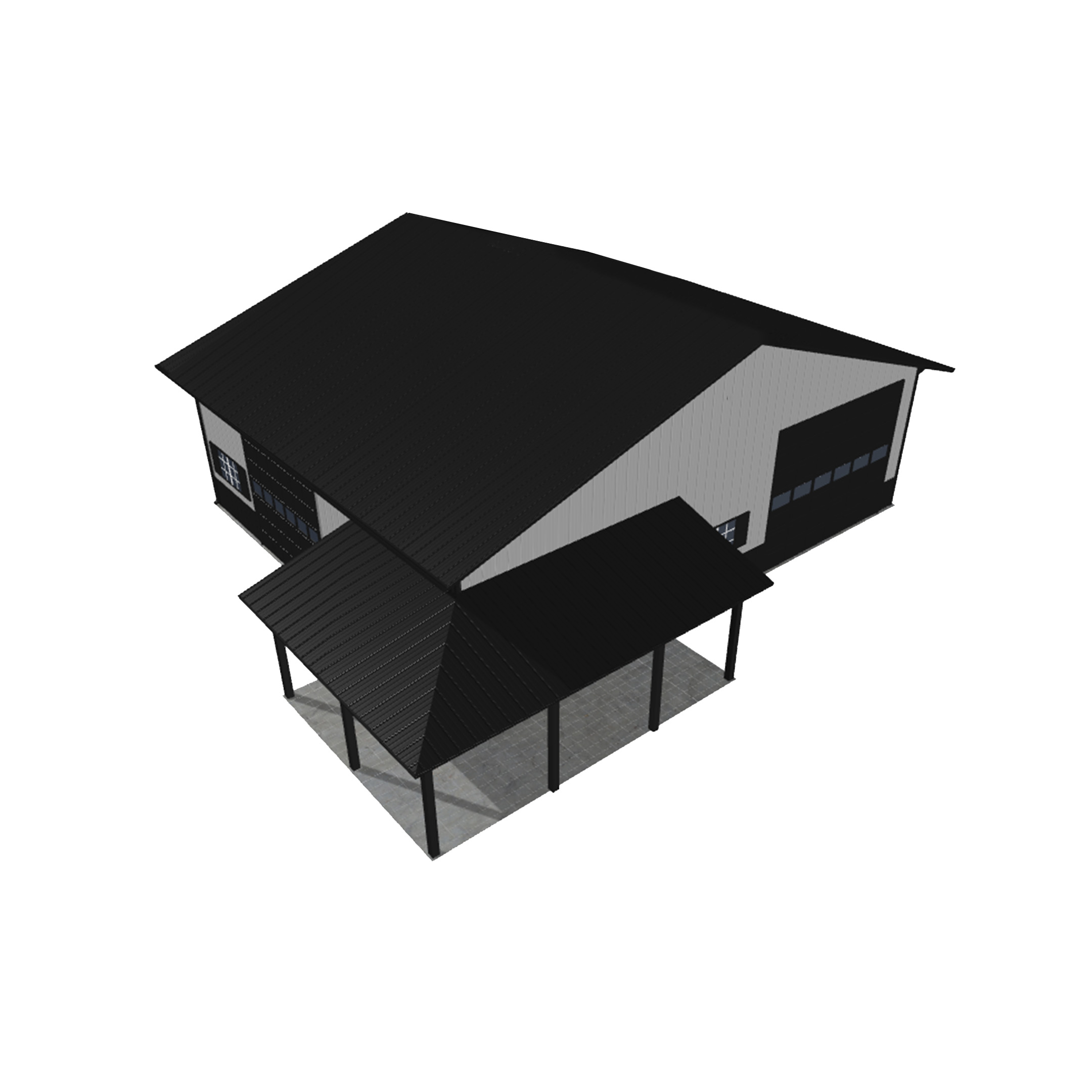
The Economics of Insulation: Balancing Cost with Benefit
When assessing the Pole Barn Construction Cost, insulation might seem like an additional expense. However, it’s an investment worth making. Incorporating insulation early can save on future heating expenses and extend the lifespan of any stored items by maintaining a consistent environment.
Types of Insulation Best Suited for Pole Barns
The choice of insulation depends on factors like budget, barn usage, and climate. Here are popular options:
- Batt Insulation: This cost-effective option is straightforward to install and offers reasonable thermal resistance, making it popular for DIY enthusiasts.
- Spray Foam Insulation: Although pricier, it excels in providing seamless coverage. It’s ideal for filling gaps and cracks, ensuring superior air sealing.
- Reflective Insulation: Often used in combination with other insulations, reflective barriers are excellent at deflecting heat, providing a cooler environment during warmer months as well.
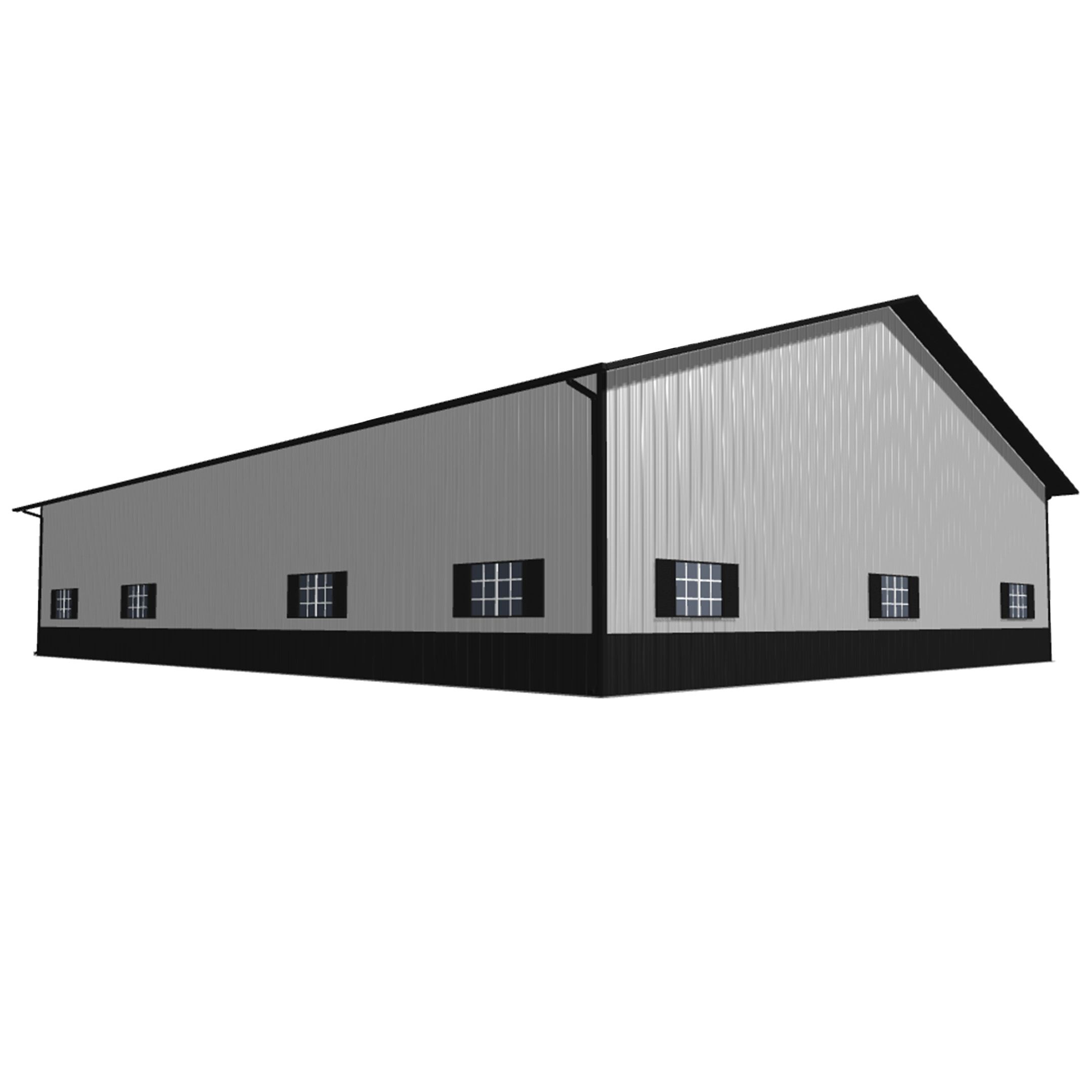
Winter-Proofing with Technology and Techniques
Incorporating technological advancements into insulation techniques enhances effectiveness. For instance, the installation of vapor barriers along with insulation helps control moisture, crucial for preventing mold and mildew. Additionally, utilizing smart thermostats can optimize energy use, ensuring heating is only used when necessary, and reducing wastage.
DIY or Contractor: Making the Right Choice
While insulation might seem a straightforward task, professional guidance can make a significant difference. Complex structures may require skilled installation to maximize efficiency and durability. Resources like BuildForce Canada – DIY Pole Barn Construction offer invaluable information for those planning to take the DIY route. However, for larger projects or unique requirements, hiring a professional can ensure the job is done right the first time.
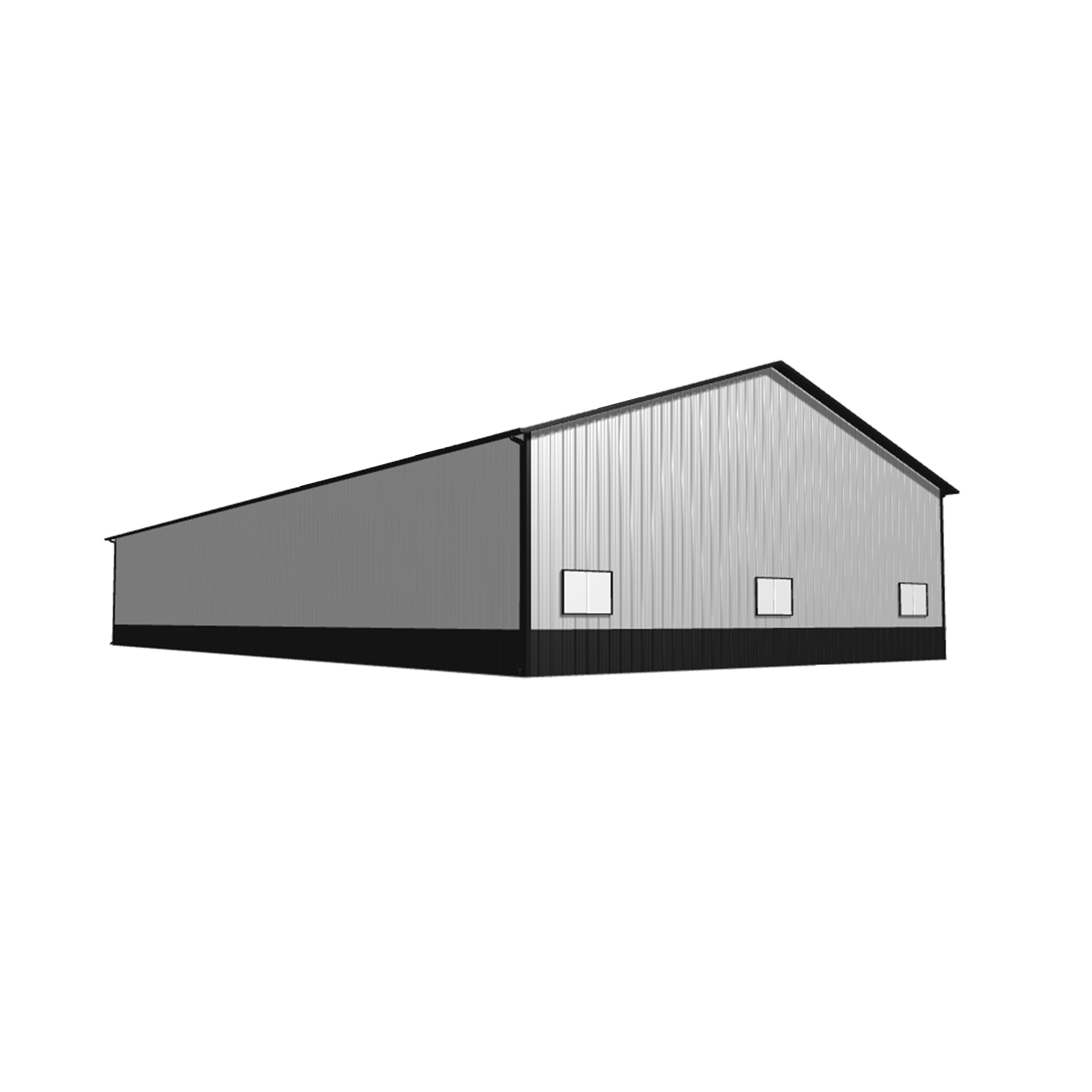
Selecting the Right Pole Barn Kit for Your Needs
When considering adding insulation, you might also be contemplating the size and type of pole barn kit suitable for your needs. Whether it’s a practical mid-sized 24x36x12 ft Pole Barn Kit or a more spacious 60x80x16 ft Pole Barn Kit, these decisions should align with your insulation plan. The right kit not only accommodates your storage or business needs but also optimizes insulation efficiency.
Conclusion: Insulate to Elevate
Investing in pole barn insulation is not just about surviving the winter—it’s about thriving in it. From safeguarding your belongings to significantly decreasing energy expenditure, insulation ensures optimum performance of your pole barn, season after season. With the right balance of technology, technique, and pole barn design, your barn can become a fortress against the Canadian winter’s most fierce onslaughts.
By carefully considering insulation options and integrating them with your barn’s design, you not only enhance its functionality but also secure your peace of mind, knowing that whatever Canadian winter throws at you, you—and your barn—are ready.