Pole Barn Construction: A Versatile Building Solution for Ontario Properties
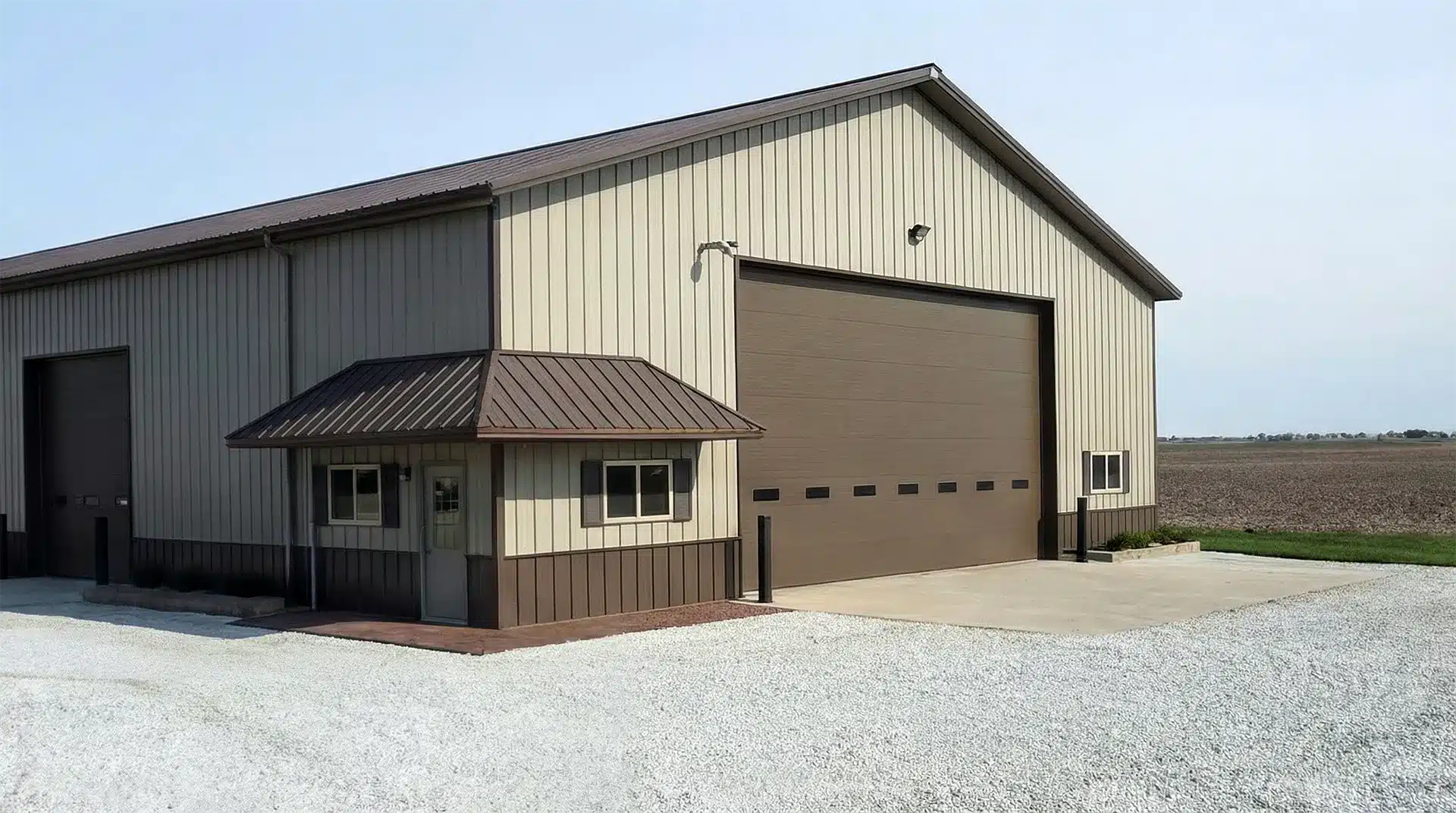
If you’ve been comparing durable, affordable ways to expand storage, add a workshop, or build a multi-use outbuilding, pole barn construction is one of Ontario’s most flexible options. Right from the first design sketch, pole barn construction can adapt to your site, your budget, and your weather realities. Whether you’re planning a farm implement shed, a contractor’s staging area, or a hobby shop with a heated slab, pole barn construction combines speed, strength, and value in a way few methods can match.
Why Pole Barn Construction Has Taken Off Across Ontario
Ontario property owners face four seasons that demand smart building choices. Pole barn construction answers with engineered posts embedded below the frost line, robust trusses, and metal cladding that stands up to freeze-thaw cycles, lake-effect snow, and summer downpours. The building system is streamlined, which shortens timelines and reduces waste. It’s also inherently scalable—from compact garages to large agricultural drive sheds—so pole barn construction suits both rural and suburban needs.
What Sets Pole Barn Construction Apart?
- Speed to occupancy: Fewer foundation requirements and pre-engineered components mean faster builds. That’s pole barn construction working for your calendar and cash flow.
- Structural efficiency: Post-frame systems concentrate loads in the columns, allowing wide, open interiors with fewer interior walls.
- Design flexibility: Add lean-tos, overhead doors, windows, and insulation packages as your needs evolve—pole barn construction is modular by nature.
- Cost control: Material and labour savings often outperform conventional stick-built projects of comparable size.
- Performance in weather: Properly engineered pole barn construction handles snow loads and wind uplift common in Ontario.
Planning Pole Barn Construction in Ontario: Start Smart
Site, Setbacks, and Permits
Before any shovel hits the ground, check zoning, setbacks, and conservation restrictions. Confirm utility locations and plan access for deliveries and equipment. In many townships, pole barn construction requires drawings stamped by a professional engineer, plus a building permit referencing local snow, wind, and seismic criteria. For official context and broader public-infrastructure guidance, refer to the Government of Canada – Pole Barn Construction.
Design Choices That Pay Off
Think about roof style (gable vs. monitor), eave height, and bay spacing. Ontario winters and tall equipment often call for 12–16 ft sidewalls and large overhead doors. Efficient pole barn construction also anticipates insulation (walls, roof, and slab edge), ventilation (ridge and soffit), and durable finishes like 29–26 gauge steel cladding. Don’t forget snow guards, gutters, and graded drainage to protect your investment.
Localizing for Ontario Conditions
Our climate pushes buildings hard—from humid summers to polar vortices. Proper pole barn construction includes frost-protected post foundations or engineered piers, stormwater control, high-R insulation options, and robust air/vapour strategies to reduce condensation risk.
Budgeting and Cost Drivers in Pole Barn Construction
Where the Dollars Go
- Engineering and permits: Site-specific loads and stamped drawings ensure compliant pole barn construction.
- Foundations: Embedded posts, brackets on piers, or slab-on-grade with uplift anchors.
- Structural package: Columns, trusses, purlins, and girts drive core pricing in pole barn construction.
- Building envelope: Steel panels, trim, doors, and windows determine durability and curb appeal.
- Interior and systems: Electrical, heating, plumbing, and interior finishes convert a shell into a four-season workspace.
One way to protect the budget is to start with proven sizes and expand later. For example, a popular starter size like a 16x24x10 Pole Barn Kit can deliver immediate utility, with future provisions for lean-tos or additional bays. Using kit-based pole barn construction gives you predictable costs and timelines while maintaining upgrade paths.
DIY or Hire a Crew?
Plenty of Ontario property owners lean into DIY to stretch budgets. If that’s you, start with safety, staging, and tried-and-true methods. For a hands-on overview, explore DIY pole barn construction tips. Alternatively, hybrid approaches are common—hire pros for posts, trusses, and doors, then self-perform cladding and interior work. Either way, a kit designed for pole barn construction accelerates your schedule and reduces errors.
Choosing the Right Kit and Supplier
Why Steel Pole Barn Kits Make Sense
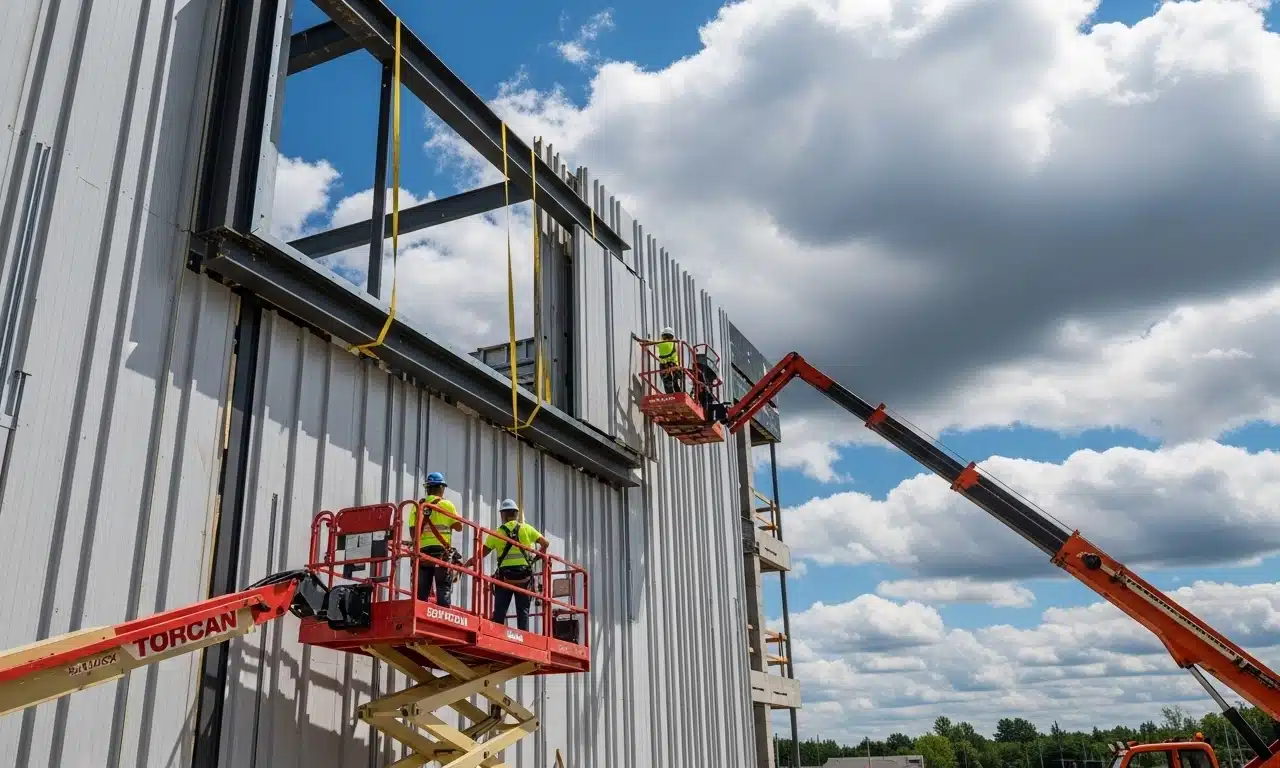
Pre-engineered Steel Pole Barn Kits simplify decisions. They bundle columns, trusses, purlins, girts, roof and wall panels, trim, and fasteners. For Ontario projects, you want engineered loads, snow and wind ratings, and corrosion-resistant coatings. Quality kits align with best practices in pole barn construction, saving you back-and-forth at the yard and preventing mid-project surprises.
What to Look For
- Engineering for your municipality’s climate loads.
- Clear span options for equipment or vehicle maneuvering.
- High-quality steel cladding with long finish warranties.
- Door and window packages sized for your use cases.
- Detailed assembly documentation tailored to pole barn construction.
If you’re narrowing down suppliers and sizes, browse proven configurations for pole barns in Ontario. Matching a kit to your site conditions—and your end use—is the fastest path to successful pole barn construction.
Step-by-Step Overview: Pole Barn Construction Done Right
1) Layout and Ground Prep
Accurate squaring and staking save headaches later. Grade the pad to shed water away from the building. Compaction matters—pole barn construction benefits from a stable base, whether you’re installing a gravel pad or preparing for a slab.
2) Posts and Footings
Set treated posts or engineered columns below frost depth. Use properly sized concrete footings and backfill with compacted material. True and plumb columns are the backbone of reliable pole barn construction.
3) Girts, Trusses, and Purlins
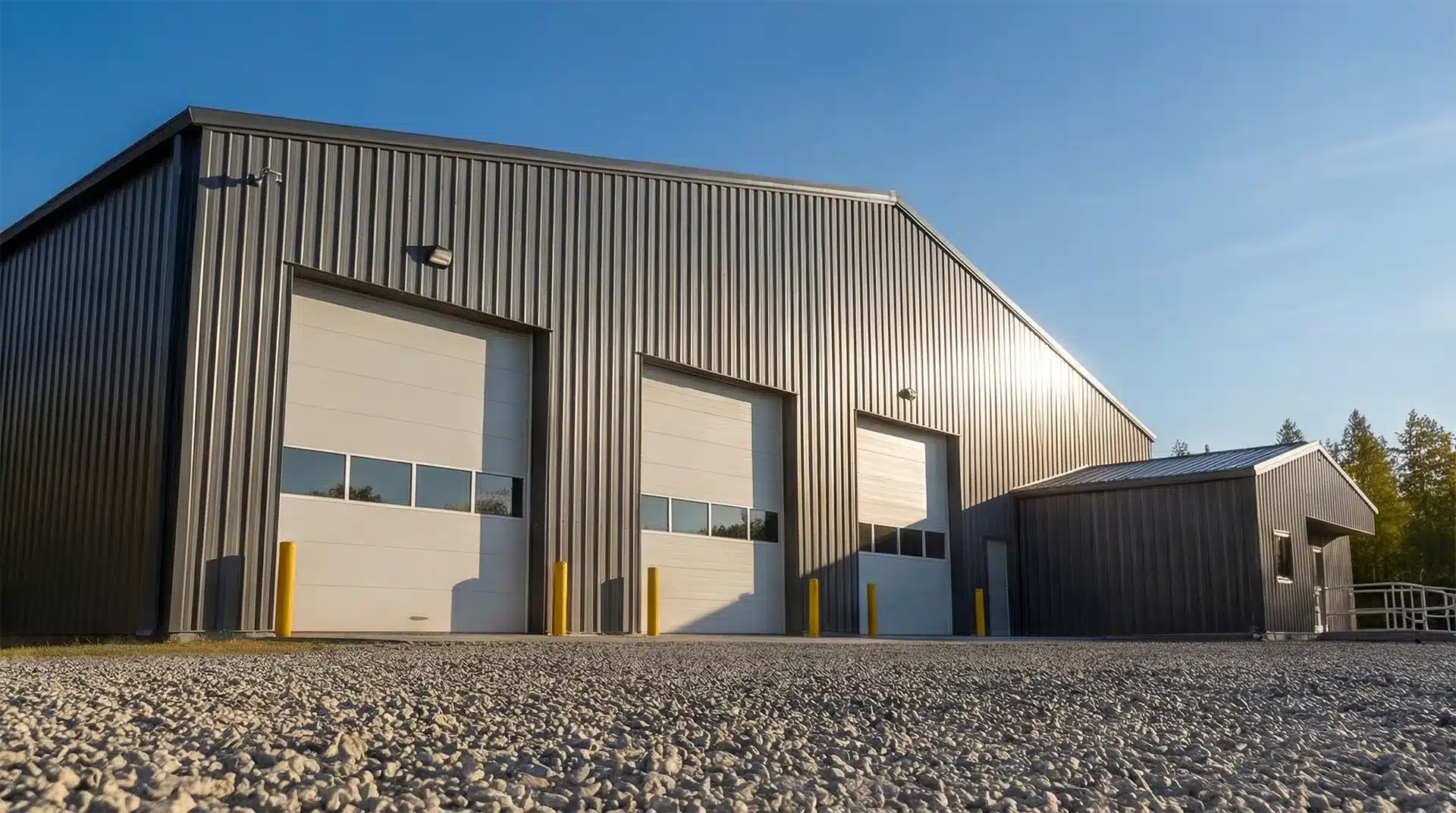
Install wall girts and set engineered trusses per the stamped layout. Purlins tie the roof system together. Accurate spacing and proper fastener patterns are critical steps in pole barn construction to ensure structural performance and long-term durability.
4) Bracing and Squaring
Temporary bracing holds geometry until the shell is secure. Check diagonals; correct now, not later. This is where careful pole barn construction translates to straight walls, tight doors, and a smooth steel skin.
5) Roofing and Cladding
Start with underlayment as specified, then install roof steel and wall panels. Align ribs and follow fastening schedules. Thoughtful pole barn construction includes flashing details that stop wind-driven rain and minimize maintenance.
6) Doors, Windows, and Trim
Fit overhead and man doors, then add trim and seals. Proper installation is an aesthetic and performance win. With good pole barn construction, these finishing touches elevate both appearance and weather resistance.
7) Interior Build-Out (Optional)
If you plan a heated shop, add slab insulation, vapour control, and wall/ceiling batts or spray foam. Mechanical and electrical layout should respect clear spans and equipment zones. Smart pole barn construction weaves efficiency, comfort, and code compliance together.
Performance Upgrades for Ontario Owners
Insulation, Condensation, and Ventilation
In a cold climate, condensation management is non-negotiable. Use condensation-control roof panels, proper underlayments, and balanced ridge/soffit ventilation. Energy-savvy pole barn construction layers continuous insulation where feasible and targets air sealing at penetrations.
Snow, Wind, and Ice
Snow guards, reinforced truss designs, and heavier-gauge roof steel are popular upgrades. Door hardware suited to ice and wind reduces service calls. When engineered correctly, pole barn construction stands up to Ontario’s toughest days.
Foundations and Slabs
From gravel floors for hay storage to insulated slabs with in-floor heating for shops, the right foundation strategy amplifies the benefits of pole barn construction. Consider trench drains for wash bays and thicker aprons where equipment turns.
Use Cases: How Ontario Owners Leverage Pole Barn Construction
Agriculture and Equestrian
Protecting combines, livestock feed, and tack isn’t optional. Pole barn construction delivers wide clear spans, tall door openings, and ventilation strategies that keep animals and equipment safe.
Trades, Fleet, and Small Business
Contractors, landscapers, and delivery fleets rely on pole barn construction for fast, economical space. Add a heated bay, tool cage, or mezzanine to streamline operations and protect assets.
Recreation and Hobby
From classic cars to woodworking studios, pole barn construction achieves the sweet spot of secure storage and comfortable working conditions—without breaking the bank.
Ontario Buying Tips: Avoid Common Pitfalls
Compare Apples to Apples
- Engineering: Are snow/wind loads stamped for your municipality?
- Materials: What steel gauge and paint system are included?
- Openings: Are door sizes and cycles rated for your usage?
- Documentation: Clear plans and instructions make pole barn construction smoother.
Kit Value and Local Support
Local expertise matters. Ontario-focused suppliers understand frost, snow, and code requirements. Explore regional options for pole barns in Ontario and ensure your package reflects the realities of your site and season. When you opt for Steel Pole Barn Kits, you’re buying speed, clarity, and components sized to work together—key ingredients for successful pole barn construction.
Timeline Expectations for Pole Barn Construction
From Deposit to Doors
Lead times vary by season. As a rule of thumb in Ontario, design and permitting can take a few weeks, with kit procurement and site readiness adding a few more. Once materials arrive, many projects frame and close in within days to a few weeks, depending on crew size and complexity. The beauty of pole barn construction is compressing the path from idea to usable space.
Frequently Asked Questions
How long will my building last?
With engineered posts, quality steel, and good maintenance, pole barn construction routinely delivers decades of service. Warranties on finish systems and fasteners add peace of mind.
Can I heat and cool it efficiently?
Yes. Air sealing, insulation, and proper ventilation are essential. Many owners pair pole barn construction with mini-splits, radiant floor heat, or unit heaters for year-round comfort.
Is DIY realistic?
For capable builders, absolutely—especially with a well-documented kit. Start with DIY pole barn construction tips to plan tools, safety, and sequencing.
Your Next Step
Whether you want a compact starter like the 16x24x10 Pole Barn Kit or a large multi-bay shop, pole barn construction delivers a rare blend of speed, strength, and savings. Explore Ontario-ready packages for pole barns in Ontario and compare options in Steel Pole Barn Kits to lock in your timeline and budget.
Bottom Line: Why Ontario Chooses Pole Barn Construction
When you stack up the benefits—fast build times, engineered durability, adaptable layouts, and cost control—pole barn construction is hard to beat. It’s a proven, scalable solution for farms, fleets, hobbyists, and home-based businesses across the province. Ready to turn your plan into a durable reality? Start with the right kit, line up permits, and follow best practices—because smart pole barn construction pays off for decades.


