
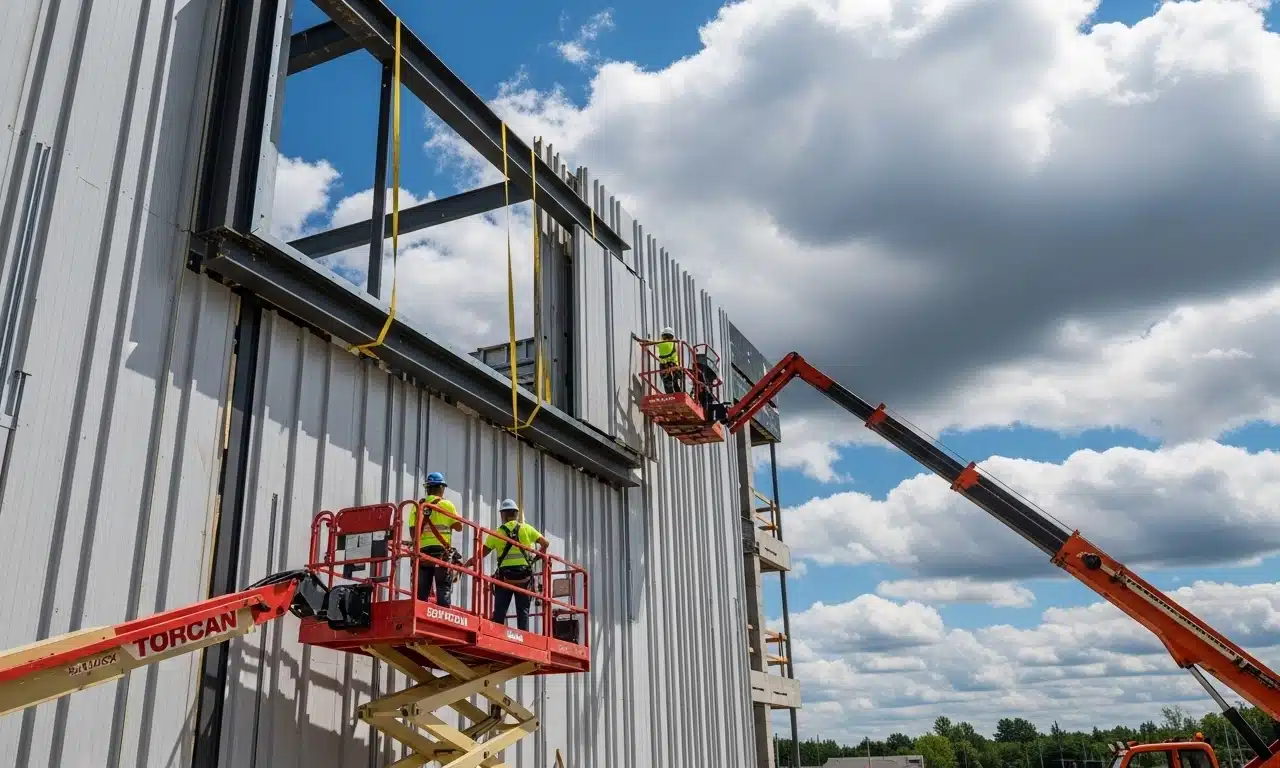
Why Pole Barns for Agricultural Use Make Sense for Ontario Farms
Thinking about expanding storage, improving livestock housing, or adding a cost-effective shop? Pole barns for agricultural use deliver a rare blend of affordability, speed, and durability that fits Ontario’s climate and farm operations. From cash-crop operations in Huron County to mixed farms in the Kawarthas, pole barns for agricultural use help producers streamline daily work, protect investments, and scale up with confidence. In this guide, we’ll break down how pole barns for agricultural use can lower costs, boost productivity, and meet Ontario Building Code demands without overcomplicating your project.
What Exactly Are Pole Barns for Agricultural Use?
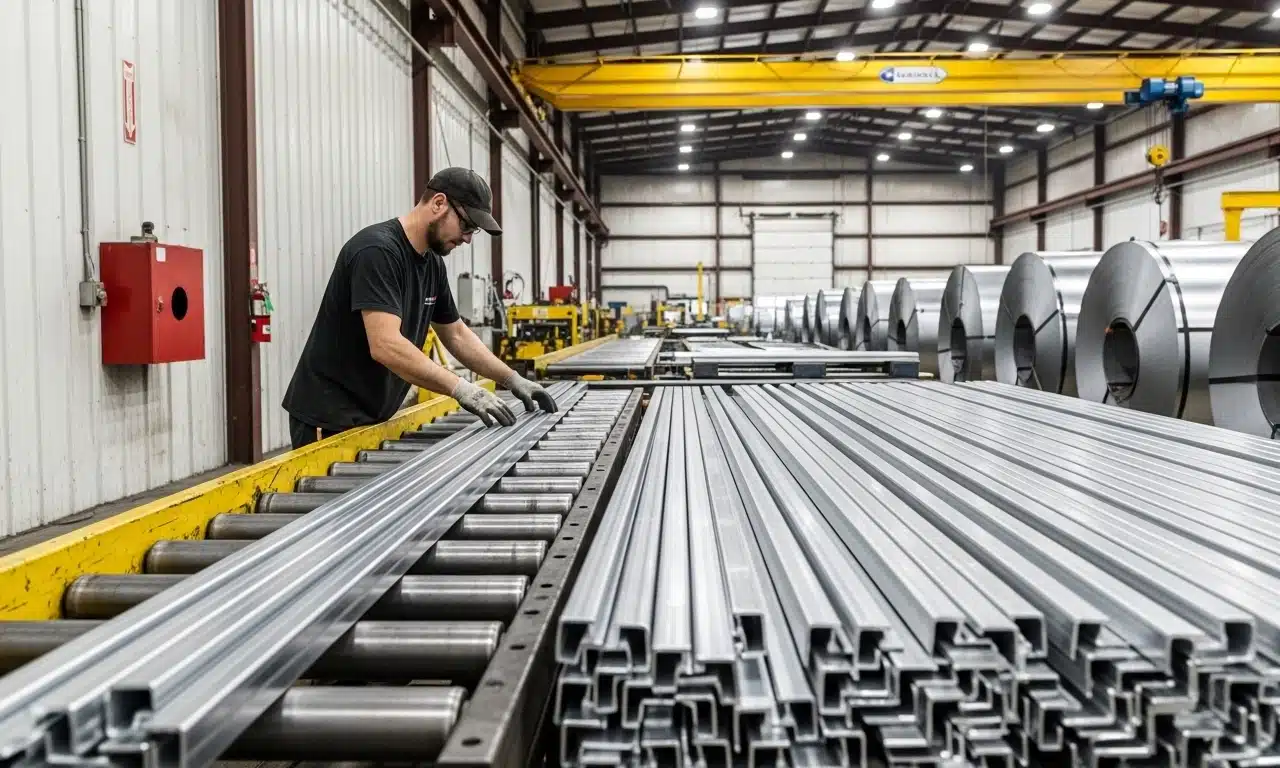
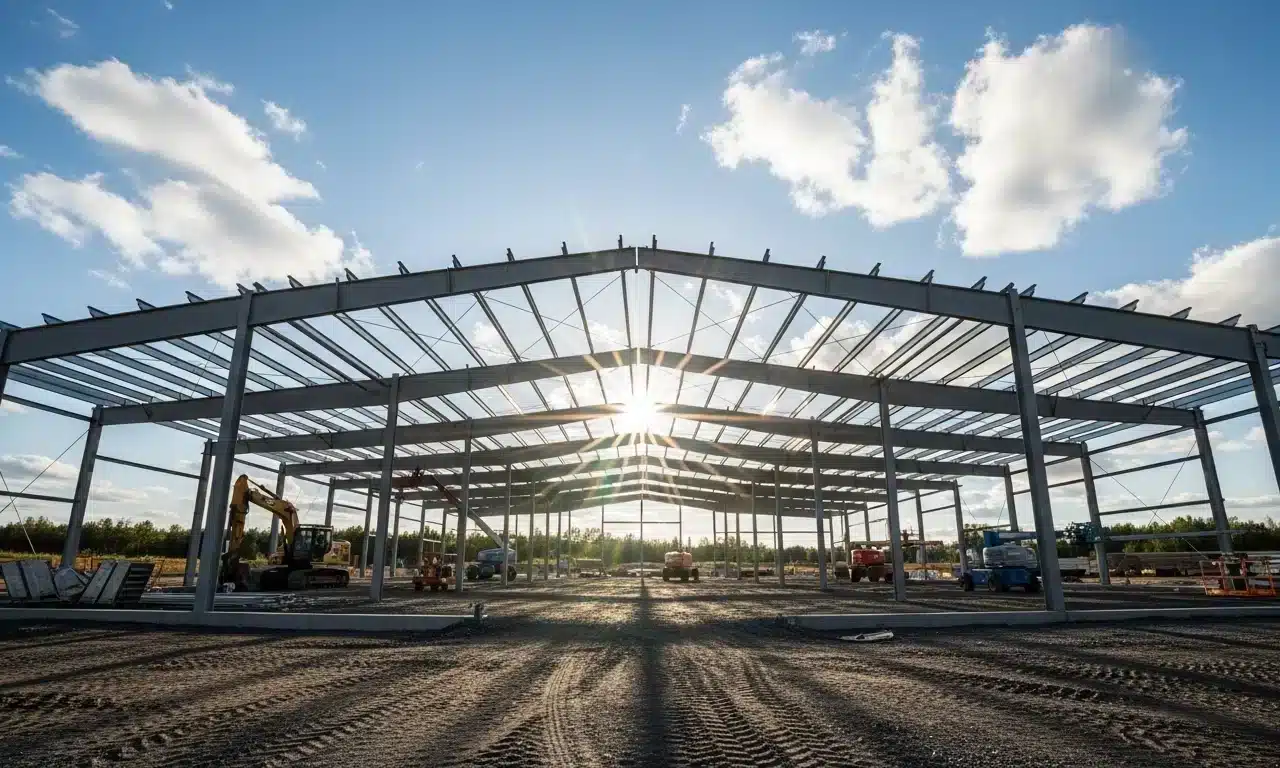
At their core, pole barns for agricultural use (often called post-frame buildings) rely on engineered posts set below frost depth to support the roof system and wall girts, with durable steel cladding for long-term weather protection. This design dramatically reduces material and labour compared to conventional construction. Pole barns for agricultural use are flexible, fast to build, and easy to expand later—ideal for equipment storage, hay sheds, machine shops, grain handling, and livestock shelters.
Ontario-Focused Construction Advantages
- Deep frost protection: Posts typically extend below 1.2 m (4 ft) to match Ontario frost lines, ensuring long-term stability.
- Snow and wind: Pole barns for agricultural use can be engineered for regional snow loads and wind exposure found from Lake Huron to Eastern Ontario.
- Moisture management: Vented ridges, eave vents, and proper site grading keep interiors dry—vital for hay storage and animal health.
Top Benefits of Pole Barns for Agricultural Use
1) Lower Upfront Costs Without Cutting Corners
Farmers watch margins closely. Pole barns for agricultural use help control budgets by simplifying the structure, using fewer materials, and minimizing foundation work. This efficient design reduces concrete and labour time. For Ontario producers who need a new shop or storage fast, pole barns for agricultural use are often the most economical path to high-quality, code-compliant space.
Budget Predictability With Kits
Transparent pricing and standardized components help avoid surprises. Explore DIY pole building packages to see bundled options that cut design time and streamline delivery.
2) Fast Construction Timelines That Respect the Season
Seeding and harvest won’t wait. Pole barns for agricultural use can be erected quickly—often in a fraction of the time of conventional builds—so you can move equipment in before the next weather shift. Pre-engineered components, simplified framing, and fewer trades translate into less downtime and less disruption on the yard.
3) Flexible Interiors That Adapt as Operations Change
Open spans are a hallmark of pole barns for agricultural use. Clear floor space means you can park a combine, stack round bales, set up a repair bay, or stage feed and bedding as needed. When your operation grows, adding lean-tos, extending bays, or reconfiguring interior partitions is straightforward.
4) Durability for Ontario’s Four Seasons
From lake-effect snow to spring thaws, pole barns for agricultural use endure harsh Ontario cycles. Galvanized fasteners, treated posts, and durable steel cladding withstand moisture and temperature swings. When properly designed for local loads and anchored below frost, pole barns for agricultural use offer decades of low-maintenance performance.
5) Better Biosecurity and Animal Welfare
Cleanable interiors, controlled ventilation, and segregated zones are easier to implement with pole barns for agricultural use. For livestock environments, good airflow and dry footing reduce stress and disease transmission, improving outcomes and daily care routines. Considering new housing? Review Livestock shelter pole barn design to align your layout with herd size, bedding systems, and Ontario winter ventilation needs.
Smart Uses of Pole Barns for Agricultural Use on Ontario Farms
Equipment and Machinery Storage
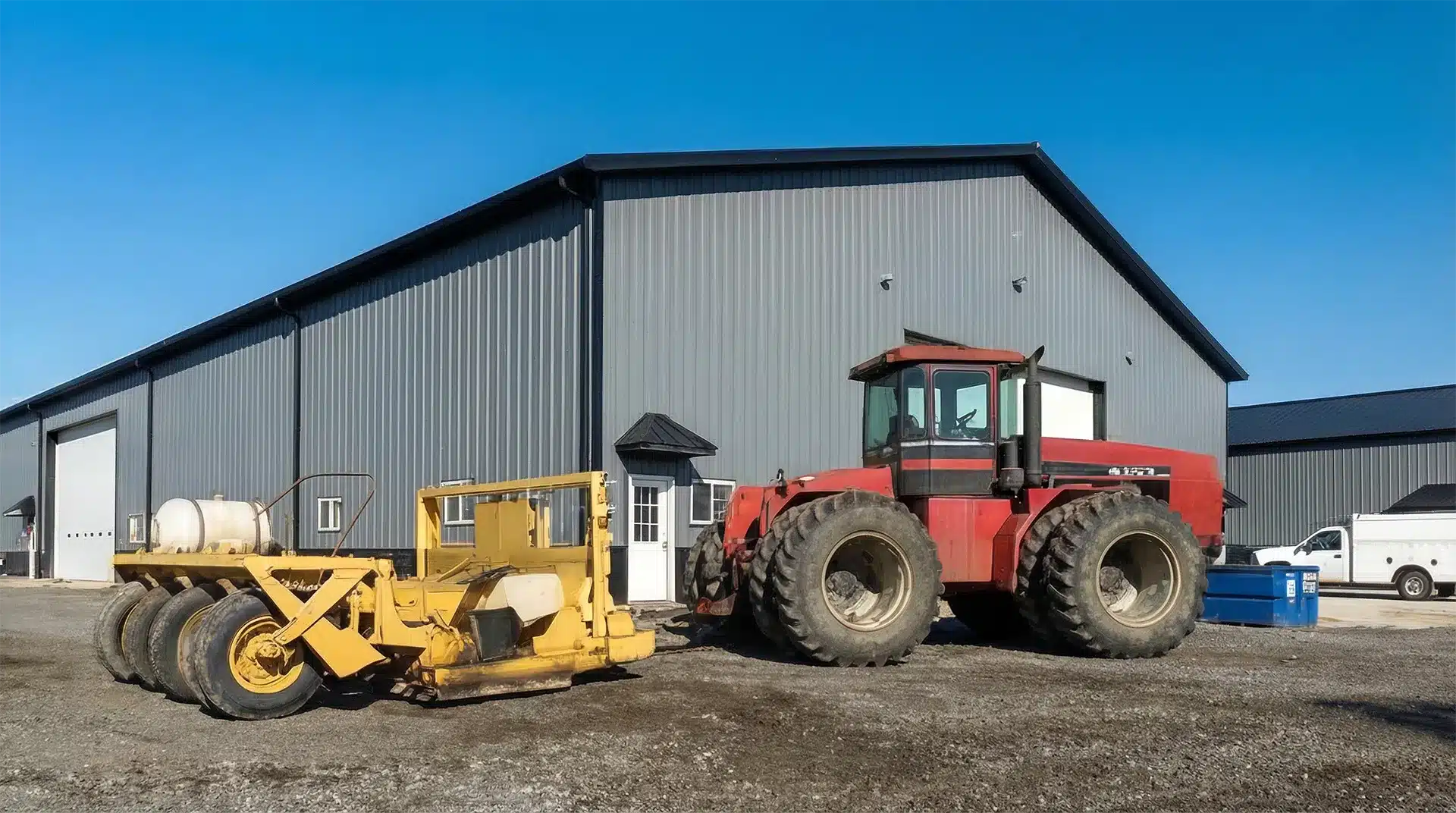
Protecting high-value equipment from UV, rain, and ice is essential. Pole barns for agricultural use deliver large doors, high clearances, and efficient traffic flow, which reduce maintenance and extend service life. Consider radiant tube heat in a maintenance bay for reliable winter starts.
Hay, Straw, and Feed Storage
Moisture is the enemy. Ventilated ridges and sidewall venting, combined with proper eave overhangs, keep bales dry. Pole barns for agricultural use make it easier to stack high with minimal obstructions.
Livestock Housing and Calving Barns
With proper layout, drainage, and ventilation, pole barns for agricultural use can provide excellent animal comfort. Design for clean alleys, easy feeding, and quick bedding changes to cut labour and stress. For design ideas that keep animals calm and producers efficient, explore Livestock shelter pole barn design.
Grain and Input Storage
Segregate seed, chemical storage (to code), and parts inventories with partitions. Pole barns for agricultural use allow you to add secure, lockable areas and properly ventilated compartments as your needs shift.
On-Farm Shop and Fabrication
Insulate walls and the ceiling, add a vapour barrier, and consider in-floor heat for a comfortable, efficient work area. Pole barns for agricultural use transition seamlessly from cold storage to conditioned space with the right envelope choices.
Key Design Considerations for Pole Barns for Agricultural Use
Site Planning and Drainage
Where water goes, your building’s lifespan follows. Elevate the building pad, crown the driveway, and install eavestroughs with proper downspout extensions. Pole barns for agricultural use perform best on well-drained pads with compacted granular base.
Snow Load, Wind Exposure, and Ontario Building Code
Partner with suppliers who can engineer pole barns for agricultural use to your local snow and wind demands under the Ontario Building Code. Roof pitch, truss spacing, purlin sizing, and bracing patterns are tuned to your specific location and exposure category.
Doors, Clearances, and Traffic Patterns
Plan for tomorrow’s combine or forage harvester—oversize overhead or sliding doors and ensure turning radii. Pole barns for agricultural use excel when equipment can move in and out without bottlenecks.
Ventilation, Light, and Insulation
Healthy air protects both animals and assets. Ridge vents, eave intakes, and high sidewall louvers keep air moving. For heated shops, combine wall/ceiling insulation with a continuous air/vapour barrier. Pole barns for agricultural use can easily include skylight panels or translucent ridge sections for daylighting.
Foundations and Posts
Posts must be treated for ground contact and set below frost, with uplift restraint. In high-moisture areas, consider precast concrete footing systems or post protectors. Proper footing design gives pole barns for agricultural use long-term stability in Ontario’s freeze-thaw cycles.
Cost and Procurement: How Ontario Producers Save
Pre-Engineered Kits and DIY Options
Want predictable timelines and pricing? Many farmers choose kits to accelerate projects. Explore DIY pole building packages for streamlined materials, engineered drawings, and support. A focused, compact footprint like a 20x24x10 Pole Barn Kit suits utility storage, a compact workshop, or a small livestock shelter. Pole barns for agricultural use can start small and scale as operations grow—kits make that progression simple.
Local Suppliers and Ontario Expertise
Working with teams who understand regional snow loads, permit pathways, and agricultural best practices pays dividends. Browse pole barns in Ontario to see options tuned to our climate, code requirements, and farm realities. Whether you’re near Windsor, Sudbury, or Ottawa, localized engineering ensures pole barns for agricultural use meet municipal expectations the first time.
Permits, Inspections, and Documentation
Most municipalities require permits for pole barns for agricultural use. Engineered drawings, site plans, and truss specs help secure fast approvals. Keep communication open with your building department and request clear timelines before scheduling crews.
Livestock: Designing Pole Barns for Agricultural Use Around Animal Health
Cow-Calf, Dairy Heifers, Goats, or Sheep
Each species has unique space, ventilation, and bedding needs. Pole barns for agricultural use can be optimized with adjustable gating, headlocks, curtain sidewalls, and draught-free inlets. The goal is calm animals, easy chores, and clean air—even on January mornings.
Ventilation and Air Quality
Orient the ridge to prevailing winds and design for year-round air exchange. In cold weather, balanced ventilation controls humidity without chilling animals. Thoughtful pole barns for agricultural use protect respiratory health and reduce bedding moisture.
Feeding and Manure Flow
Minimize steps. Align gates, feeding alleys, and bedding lanes so machines and people move efficiently. Pole barns for agricultural use shine when layouts reduce daily labour and support consistent animal routines. For tailored planning help, visit Livestock shelter pole barn design.
Maintenance and Longevity: Getting Decades from Pole Barns for Agricultural Use
Simple Upkeep
Annual checks on flashing, fasteners, and door hardware keep everything tight. Clear debris from gutters and downspouts. Pole barns for agricultural use benefit from quick inspections after windstorms and heavy snow events to catch minor issues early.
Surface Protection
Consider base trims and splash planks to manage snow melt and gravel spray. Quality coatings on steel panels protect against Ontario’s road salt and agricultural chemicals. With routine care, pole barns for agricultural use maintain curb appeal and function.
FAQs: Ontario Owners Ask About Pole Barns for Agricultural Use
How quickly can I build?
With permits and engineering in place, pole barns for agricultural use can often be erected in weeks, not months—especially with kits.
Are they strong enough for our snow loads?
Yes—when engineered for your exact location, pole barns for agricultural use meet or exceed required snow and wind loads under the Ontario Building Code.
Can I insulate and heat later?
Absolutely. Many owners start with cold storage and add insulation, vapour barrier, and heat as needs evolve. Pole barns for agricultural use are inherently upgrade-friendly.
Any credible resources to learn more?
For a broader policy perspective, see the Canada Mortgage and Housing Corporation – Benefits of Pole Barns for Agriculture. For local options, browse pole barns in Ontario and compare kit specifications.
Next Steps: Bringing Your Ontario Project to Life
Start by mapping space needs—door widths, clear heights, equipment list, and traffic flow. Share location details for accurate snow and wind engineering. Then compare DIY pole building packages to find a footprint and spec that fits budget and timelines. Whether you need a compact 20x24x10 Pole Barn Kit for utility storage or a larger multi-bay structure, pole barns for agricultural use deliver a cost-effective, durable solution.
Conclusion: Practical, Durable, and Ontario-Ready
For producers balancing time, budget, and performance, pole barns for agricultural use check every box. They build fast, adapt easily, and handle Ontario’s four-season demands—all while protecting your equipment, feed, and livestock. With engineered components, smart ventilation, and thoughtful site planning, pole barns for agricultural use can anchor your operation for decades. If you’re comparing options today, explore pole barns in Ontario and look into DIY pole building packages to turn your plans into a cost-effective, code-ready build—on your schedule and on your terms.


