When it comes to maintaining a pole barn, effective ventilation is often overlooked. However, it plays a critical role in ensuring the longevity and functionality of your structure. Whether you’re using your pole barn for agricultural purposes, as a workshop, or even a residential space, proper ventilation keeps the air fresh and helps prevent moisture-related issues. But what makes pole barn ventilation so essential, and how can you achieve it efficiently?
Why Is Pole Barn Ventilation Important?
Imagine stepping into your pole barn and immediately feeling the heavy, stagnant air. Not only is this uncomfortable, but poor ventilation can also lead to moisture buildup, which is detrimental to both the structure and its contents. Moisture can cause wood rot, rust on metal components, and mold growth, all of which compromise the integrity of your pole barn.
Moreover, proper ventilation helps regulate temperature. During the hot Ontario summers, a well-ventilated pole barn can prevent heat from building up inside, making it more comfortable for both humans and animals. In winter, it can help control humidity levels, reducing condensation and its associated problems.
Understanding the Mechanics of Ventilation
Ventilation in a pole barn works on the principle of air exchange—bringing fresh air in while expelling stale air. This can be achieved through natural means or with mechanical systems. Natural ventilation uses openings like windows or vents to facilitate airflow. In contrast, mechanical systems might include fans or sustainable HVAC systems that actively circulate air.
Types of Ventilation Systems for Pole Barns
There are several types of ventilation systems you might consider for your pole barn:
Natural Ventilation
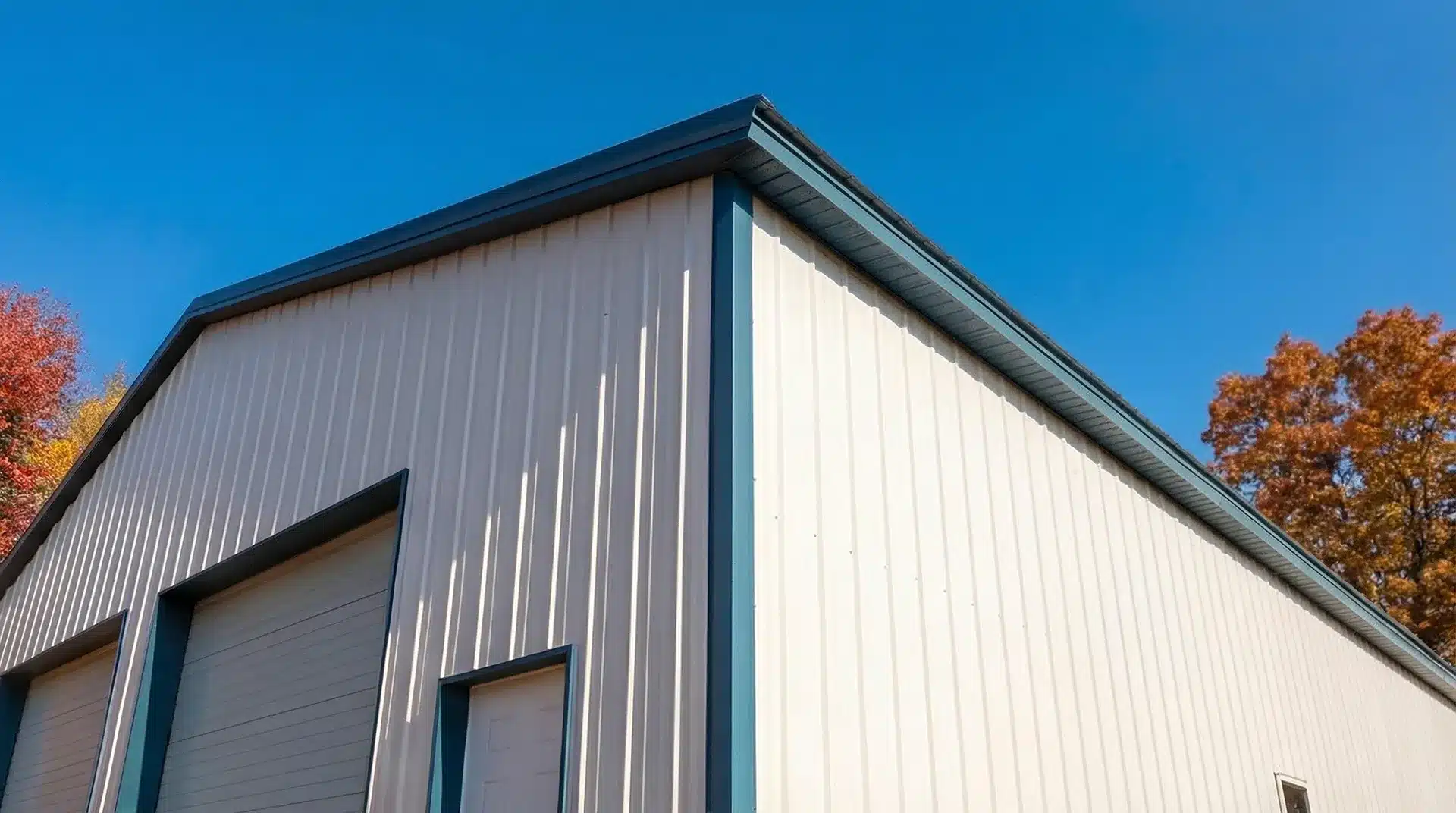
This is often the most cost-effective solution. It involves strategically placing openings in the structure to allow for cross-ventilation. Ridge vents at the roof’s peak and soffit vents at the eaves can create an effective natural airflow system.
Mechanical Ventilation
If natural ventilation isn’t sufficient due to the barn’s size or usage, mechanical options are available. Exhaust fans are commonly used to remove stale air from inside the barn quickly. These systems can be particularly beneficial in larger barns or those used for specific agricultural activities.
Hybrid Systems
A combination of natural and mechanical systems can offer optimal results. For instance, using ridge vents along with exhaust fans provides flexibility and efficiency in maintaining ideal conditions within your pole barn.
Design Considerations for Optimal Ventilation
When planning your pole barn’s design or considering an upgrade, keep ventilation top of mind. The placement of vents should be deliberate—consider prevailing winds and potential obstructions that could impede airflow.
If you’re looking to build a new structure, exploring pole barn kits in Ontario is a great starting point. These kits often include design elements that facilitate proper ventilation right from the get-go.
The Role of Insulation
While insulation isn’t directly related to ventilation, it’s essential in managing temperature extremes and supporting your ventilation system’s efficiency. Proper insulation reduces heat transfer, allowing your ventilation system to work more effectively without overexerting itself.
Consulting Experts for Best Results
If you’re unsure about how to implement an effective ventilation system in your pole barn, consulting with experts can provide peace of mind. They can offer insights into local climate considerations and recommend solutions tailored to your specific needs.
You might also want to browse our pole barn kit models, which come with expert recommendations on optimal designs for ventilation.
The Impact of Proper Ventilation on Your Investment
A well-ventilated pole barn not only enhances comfort but also protects your investment by extending its lifespan. For those using their barns commercially or agriculturally, this translates into better productivity and fewer maintenance costs over time.
According to Natural Resources Canada – Pole Barn Ventilation, implementing an effective system is crucial in sustaining both structural integrity and operational efficiency.
Conclusion: Keep It Fresh!
Pole barn ventilation may not be the first thing you think about when building or maintaining a structure, but it’s undeniably crucial. From reducing moisture issues to enhancing comfort levels year-round, proper ventilation allows you to make the most out of your investment.
If you’re planning on constructing a new pole barn or upgrading an existing one, consider exploring different 30x54x14 Pole Barn Kit options that come with built-in solutions for optimal airflow.
Remember, fresh air isn’t just a breath of life—it’s an investment in longevity and efficiency for your pole barn.