When it comes to building structures on your property in Ontario, the choice between pole barn construction and traditional methods can be as challenging as choosing between a maple syrup-topped pancake and a butter tart. Both options have their unique advantages and potential drawbacks. But how do you decide which is the best fit for your needs? Let’s dive into the details of pole barns versus traditional construction to help you make an informed decision.
Understanding Pole Barn Construction
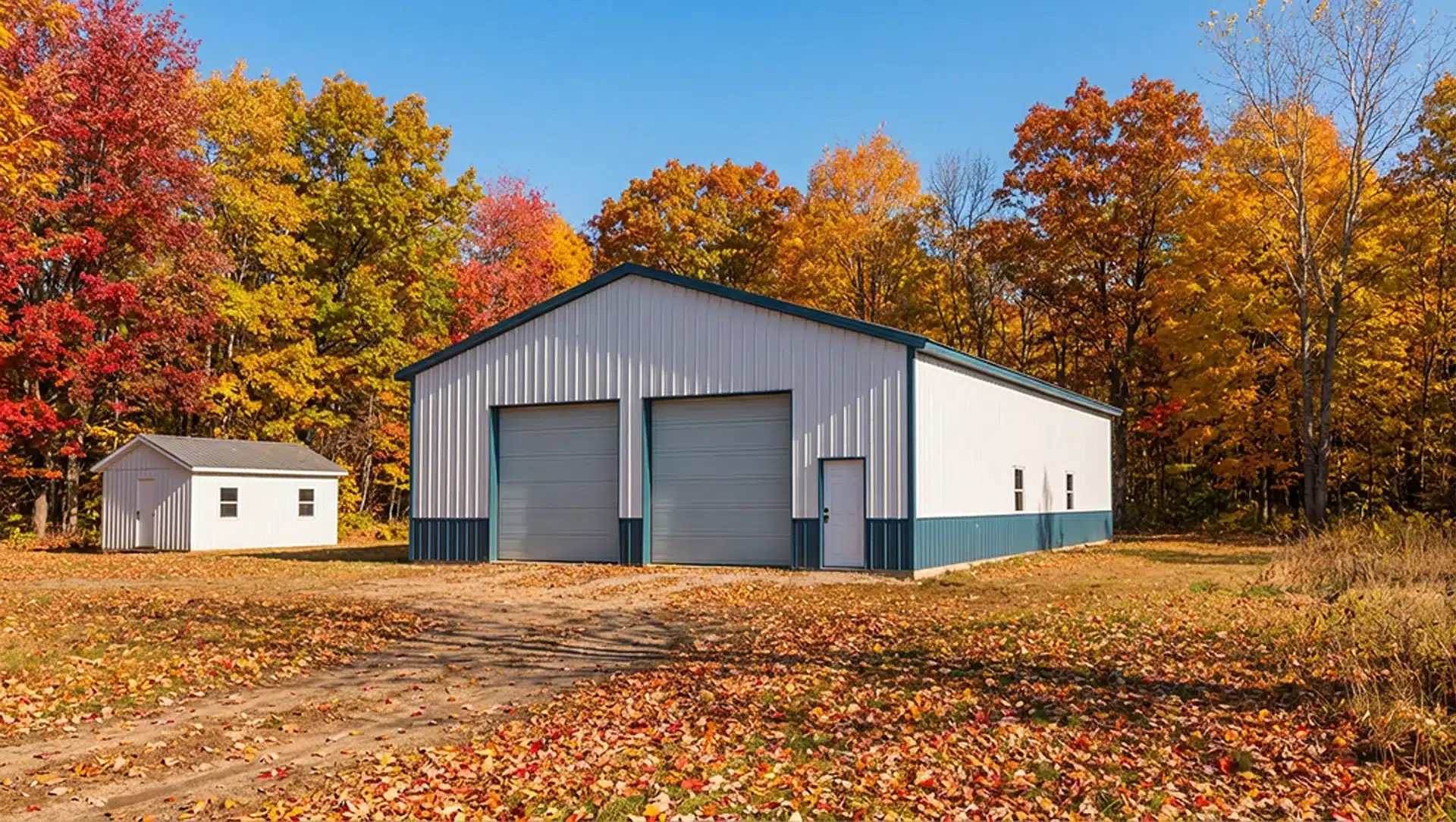
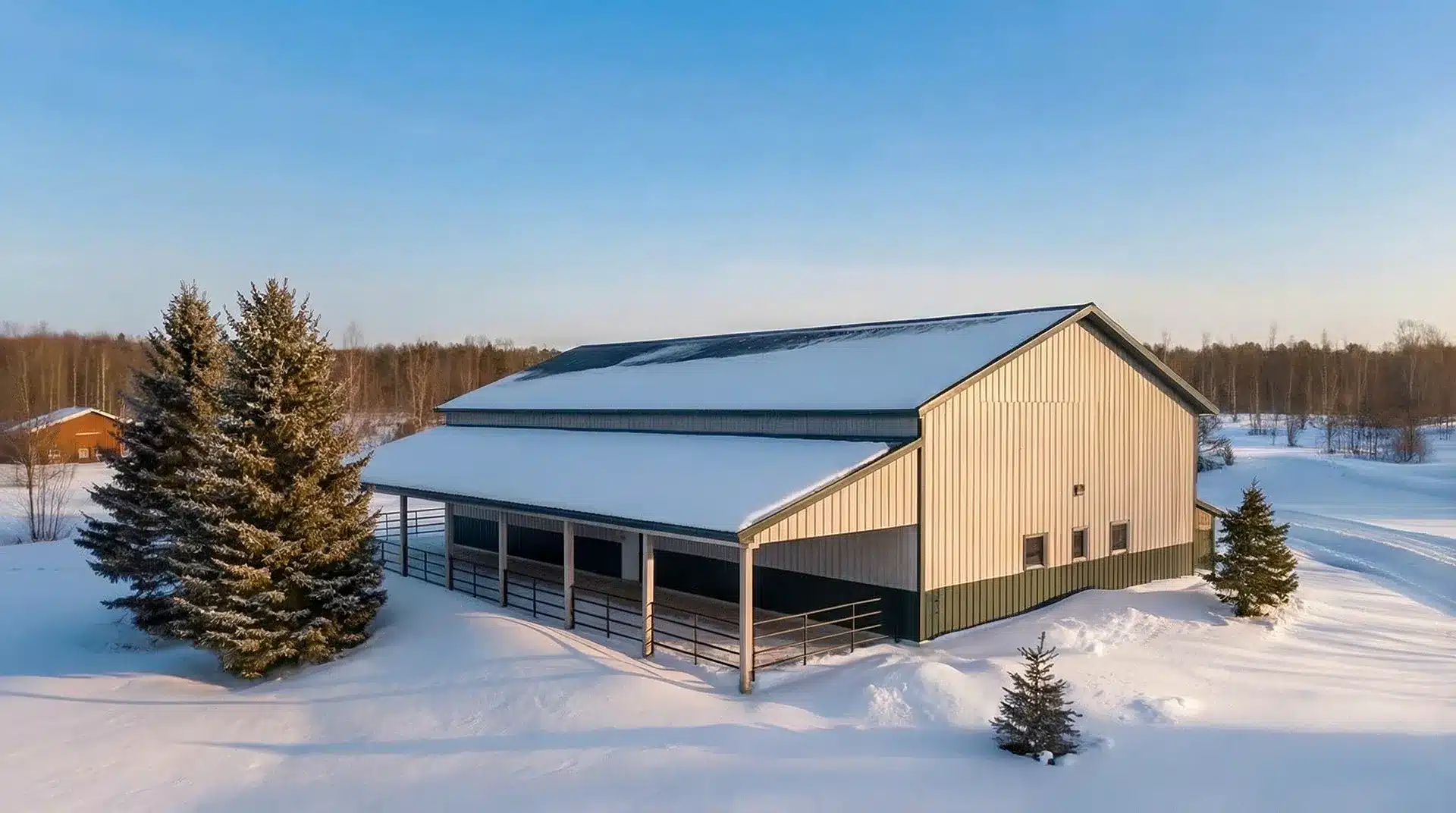
Pole barns, also known as post-frame buildings, are a versatile and cost-effective construction method. They have gained popularity in Ontario for their adaptability and quick assembly. Unlike traditional buildings, which rely on a continuous foundation, pole barns use large poles or posts buried in the ground to provide structural support.
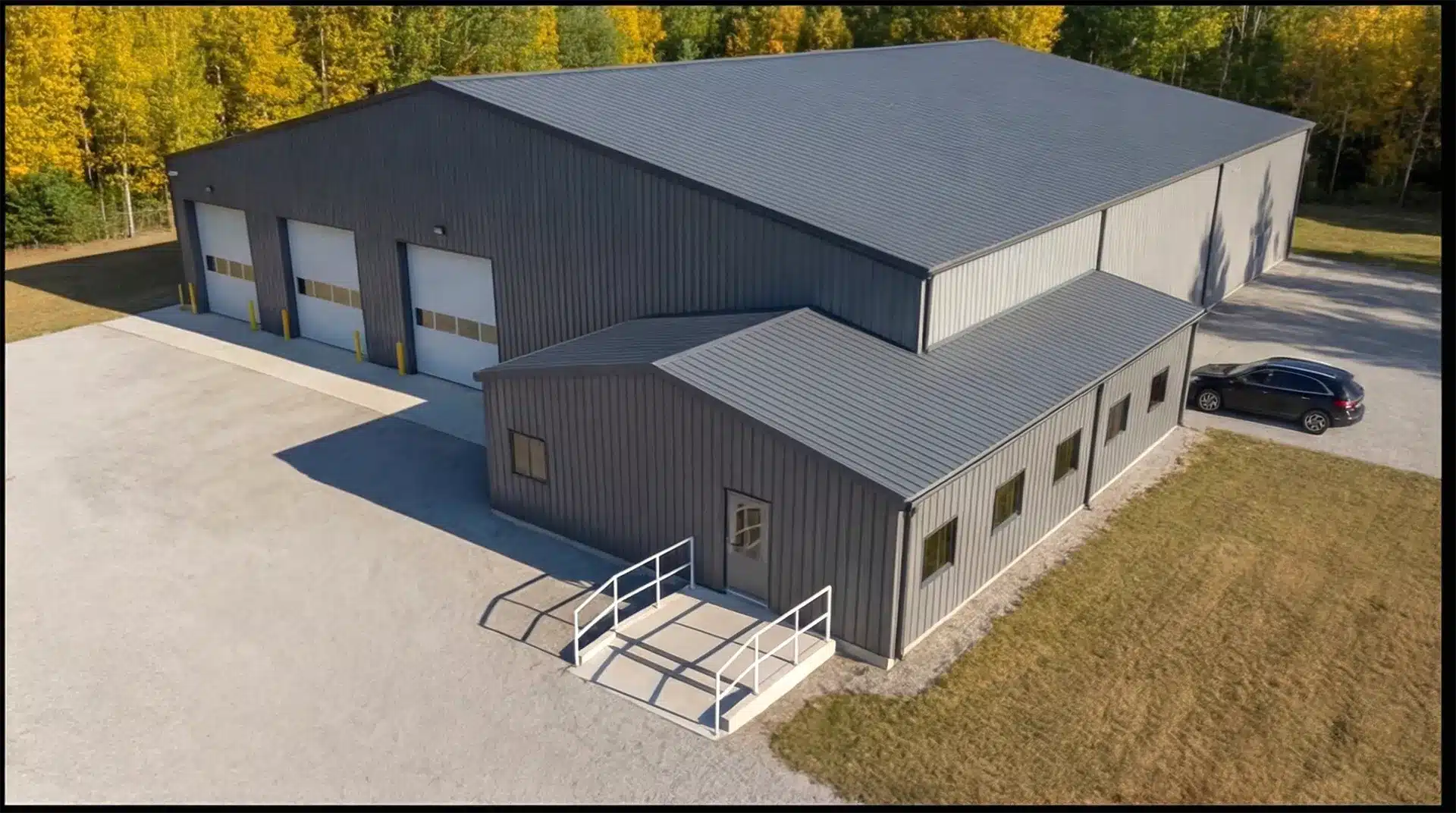
One of the key benefits of pole barn construction is its simplicity. The design allows for spacious interiors without the need for load-bearing walls, making them ideal for storage, workshops, and even residential spaces like pole barns in Ontario. Additionally, pole barns can be erected quickly, often in a matter of weeks, which is perfect for those eager to get their projects up and running.
The Cost Factor: Pole Barns vs. Traditional Construction
Cost is often a significant consideration when deciding between building options. Pole barns generally offer a more budget-friendly solution compared to traditional construction methods. The reduced need for extensive foundations and fewer materials contribute to lower overall expenses.
For those interested in cutting costs further, DIY pole building packages are available, allowing homeowners to take on some of the construction work themselves. This can significantly reduce labor costs and provide a sense of accomplishment upon completion.
Durability and Maintenance Considerations
Durability is another important factor to consider when choosing between pole barn and traditional construction. While traditional buildings have stood the test of time, modern pole barns are engineered to withstand harsh weather conditions common in Ontario.
The materials used in pole barn construction are often resistant to pests and decay, reducing long-term maintenance needs. In contrast, traditional buildings may require more frequent upkeep due to issues like wood rot or pest infestations.
Aesthetic Appeal: Blending Functionality with Style
When it comes to aesthetics, both construction methods offer unique styles that can complement your property. Traditional buildings often provide a classic look with architectural details that can enhance curb appeal.
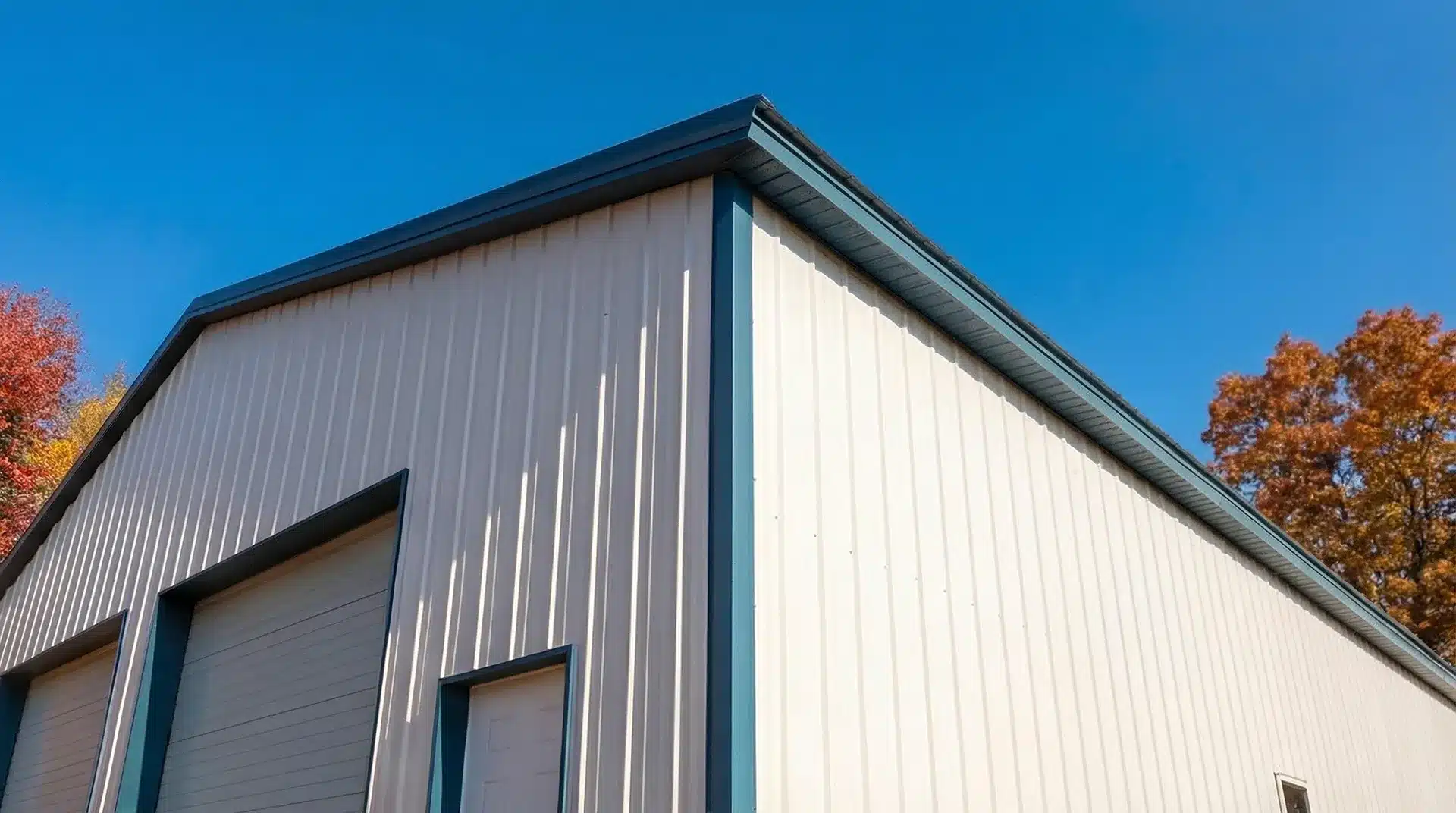
However, pole barns are no slouch in the style department. Modern designs allow for customization in terms of color, roofing materials, and siding options. Whether you’re constructing a 20x30x10 Pole Barn Kit or something larger, you can tailor the appearance to match your vision.
Environmental Impact and Sustainability
With increasing awareness about environmental sustainability, many property owners are considering how their construction choices affect the planet. Pole barns often have a smaller environmental footprint due to the reduced need for concrete foundations and fewer materials overall.
The use of sustainable materials in pole barn construction can further enhance their eco-friendliness. Additionally, these structures can be designed to include energy-efficient features such as solar panels or high-insulation materials.
The Verdict: Which Construction Method Suits Your Needs?
The decision between pole barn and traditional construction ultimately depends on your specific needs and priorities. If cost-effectiveness, quick assembly, and versatility are at the top of your list, then a pole barn might be the perfect choice. For those who prioritize a classic aesthetic or require specific architectural features, traditional construction may be more suitable.
Conclusion: Making an Informed Choice
Choosing between BuildForce Canada – Pole Barn vs Traditional Construction methods is akin to choosing between two reliable winter jackets; both will keep you warm but offer different styles and features. By understanding the benefits and limitations of each option, you can make an informed decision that aligns with your budget, timeline, aesthetic preferences, and environmental concerns.
If you’re ready to explore more about pole barns or start your next project with confidence, consider reaching out to local experts who specialize in these versatile structures.