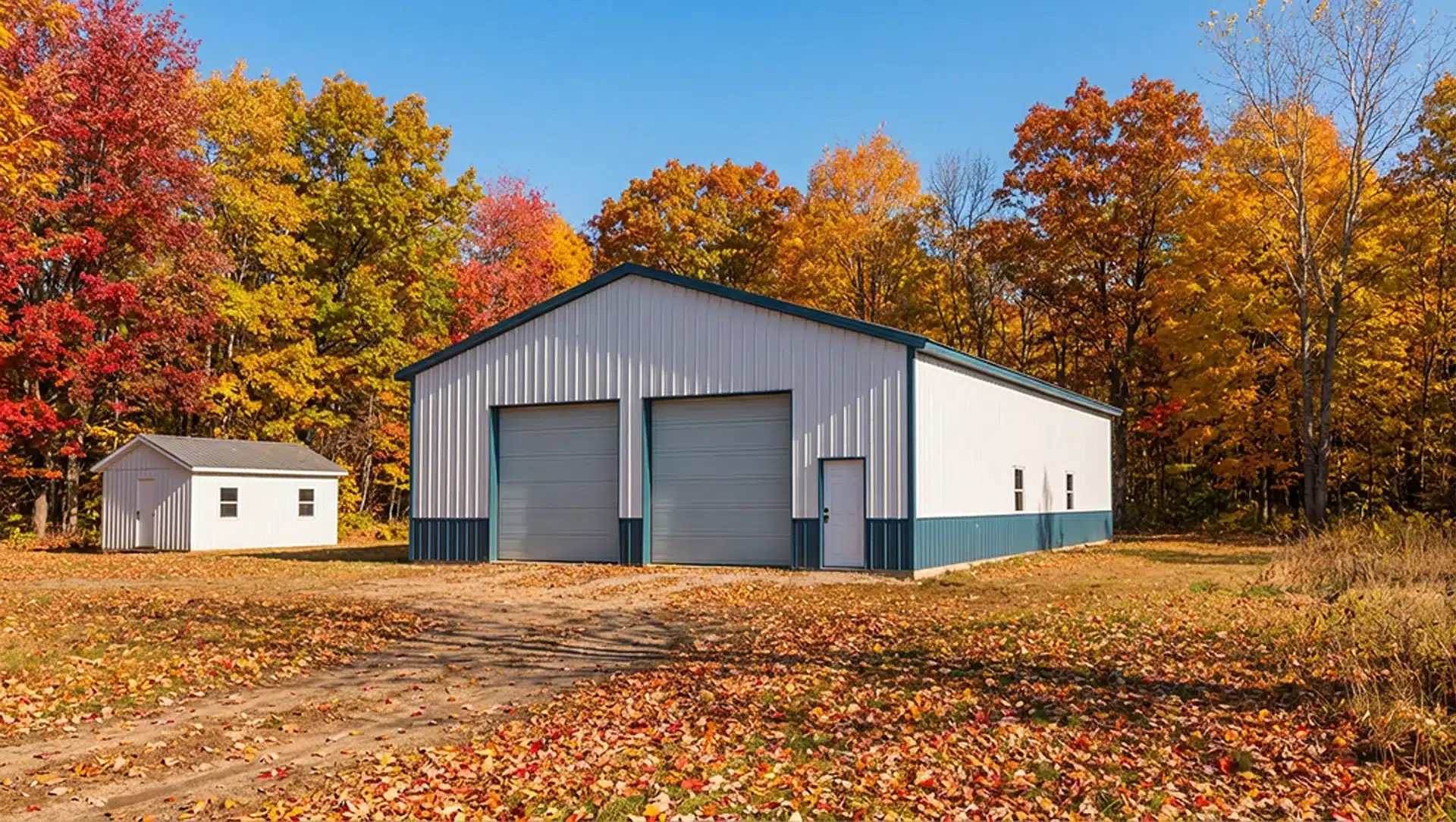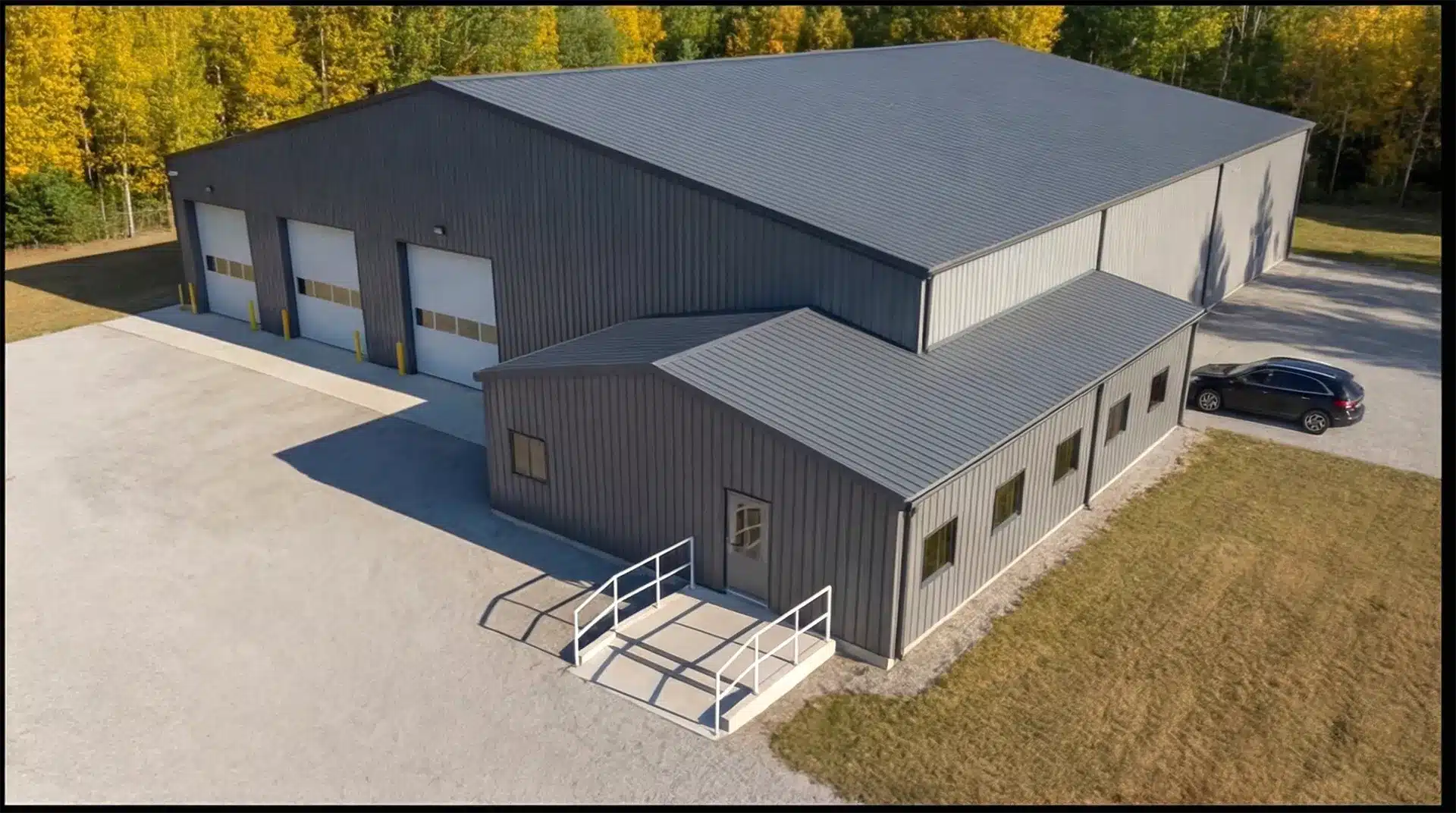
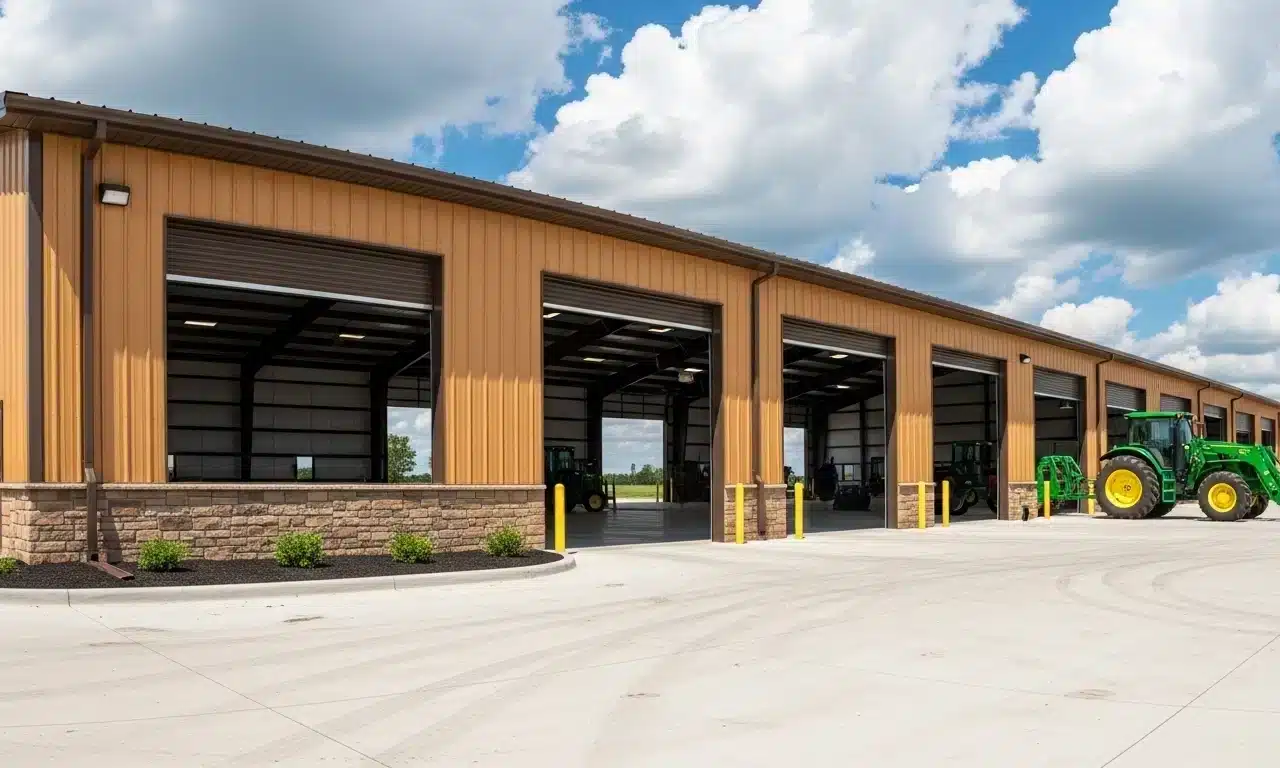
When it comes to constructing pole barns in Ontario, insulation might not be the first thing on your mind. However, it plays a crucial role in ensuring comfort and energy efficiency, especially given Ontario’s fluctuating weather conditions. Whether you’re housing livestock, storing equipment, or creating a workspace, proper pole barn insulation can make all the difference. But how do you insulate a pole barn effectively?
The Importance of Insulating Your Pole Barn
Imagine stepping into your pole barn on a chilly winter morning and feeling as though you’ve walked into a freezer. Without adequate insulation, that’s exactly what you might experience. Insulation isn’t just about keeping the cold out; it’s about maintaining a stable environment that protects your assets and ensures comfort.
Insulating your pole barn also contributes to energy efficiency. By reducing the need for excessive heating or cooling, you save on energy costs and contribute to a more sustainable environment. For those interested in creating energy-efficient custom homes, starting with an insulated pole barn can be a wise decision.
Choosing the Right Insulation Material
The type of insulation you choose depends on several factors, including your budget, the barn’s purpose, and local climate conditions. Common insulation materials include fiberglass, spray foam, and rigid foam panels. Each has its pros and cons.
- Fiberglass: This is one of the most affordable options. It’s relatively easy to install and effective at reducing heat loss.
- Spray Foam: Known for its excellent air-sealing properties, spray foam can fill gaps and crevices that other materials might miss.
- Rigid Foam Panels: These provide high insulation values and are resistant to moisture, making them ideal for humid environments.
Installation Techniques for Optimal Comfort
A well-insulated pole barn requires more than just choosing the right material; it also involves proper installation techniques. The key is to ensure there are no gaps where air can escape or moisture can seep in.
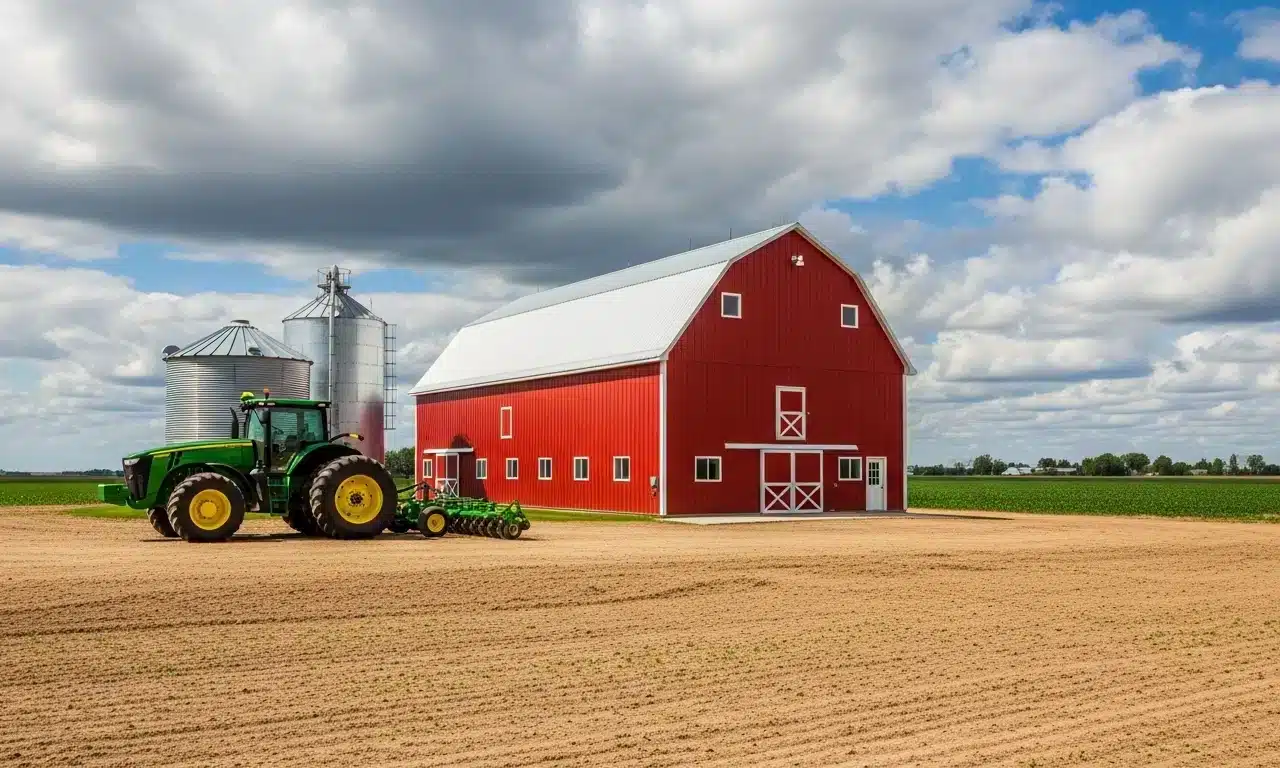
For instance, when using fiberglass batts, it’s crucial to cut them precisely to fit snugly between the framing members. If you’re opting for spray foam, hiring a professional might be wise to achieve even coverage and avoid overspray.
The Role of Ventilation in Insulation
While insulation is vital for temperature control, ventilation plays an equally important role. Proper ventilation helps prevent moisture buildup, which can lead to mold growth and structural damage over time. Installing ridge vents or gable vents can help circulate air effectively.
Resources for Further Guidance
If you’re considering insulating your pole barn but aren’t sure where to start, numerous resources are available to guide you through the process. The Natural Resources Canada – Pole Barn Insulation page offers valuable insights into best practices and material recommendations tailored for Canadian climates.
Pole Barn Kits: A Convenient Solution
If you’re in the market for a new pole barn or considering an upgrade, exploring pre-designed kits could be beneficial. These kits often include everything you need for construction and insulation, ensuring compatibility and ease of installation. You can browse our pole barn kit models for options that suit various needs and budgets.
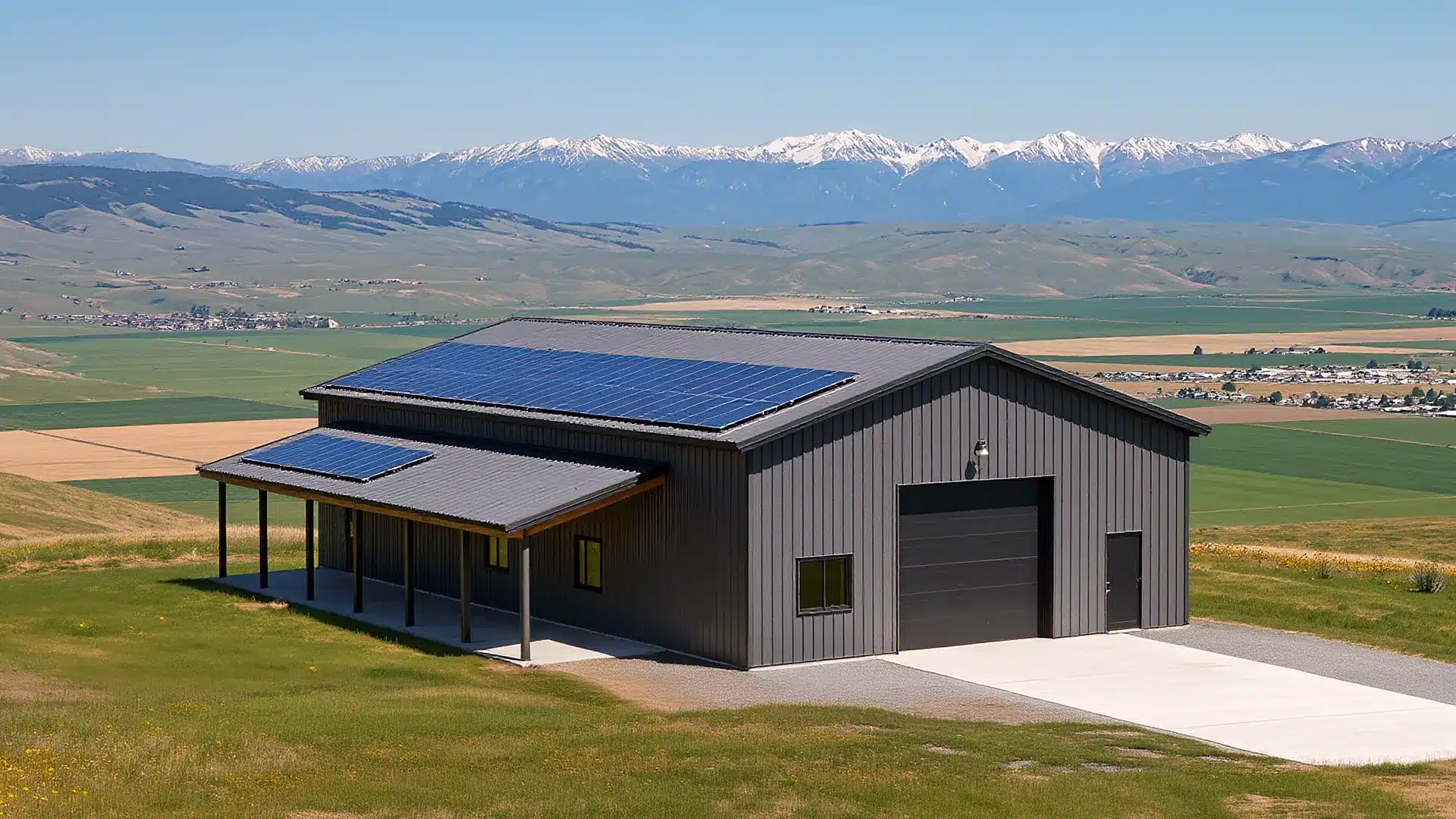
For example, the 24x36x12 Pole Barn Kit offers ample space with built-in considerations for insulation needs.
A Comfortable Future with Insulated Pole Barns
The benefits of insulating your pole barn extend beyond mere comfort. By investing in quality insulation materials and techniques today, you’re setting up a structure that will serve you efficiently through all seasons, protecting your investments and enhancing usability.
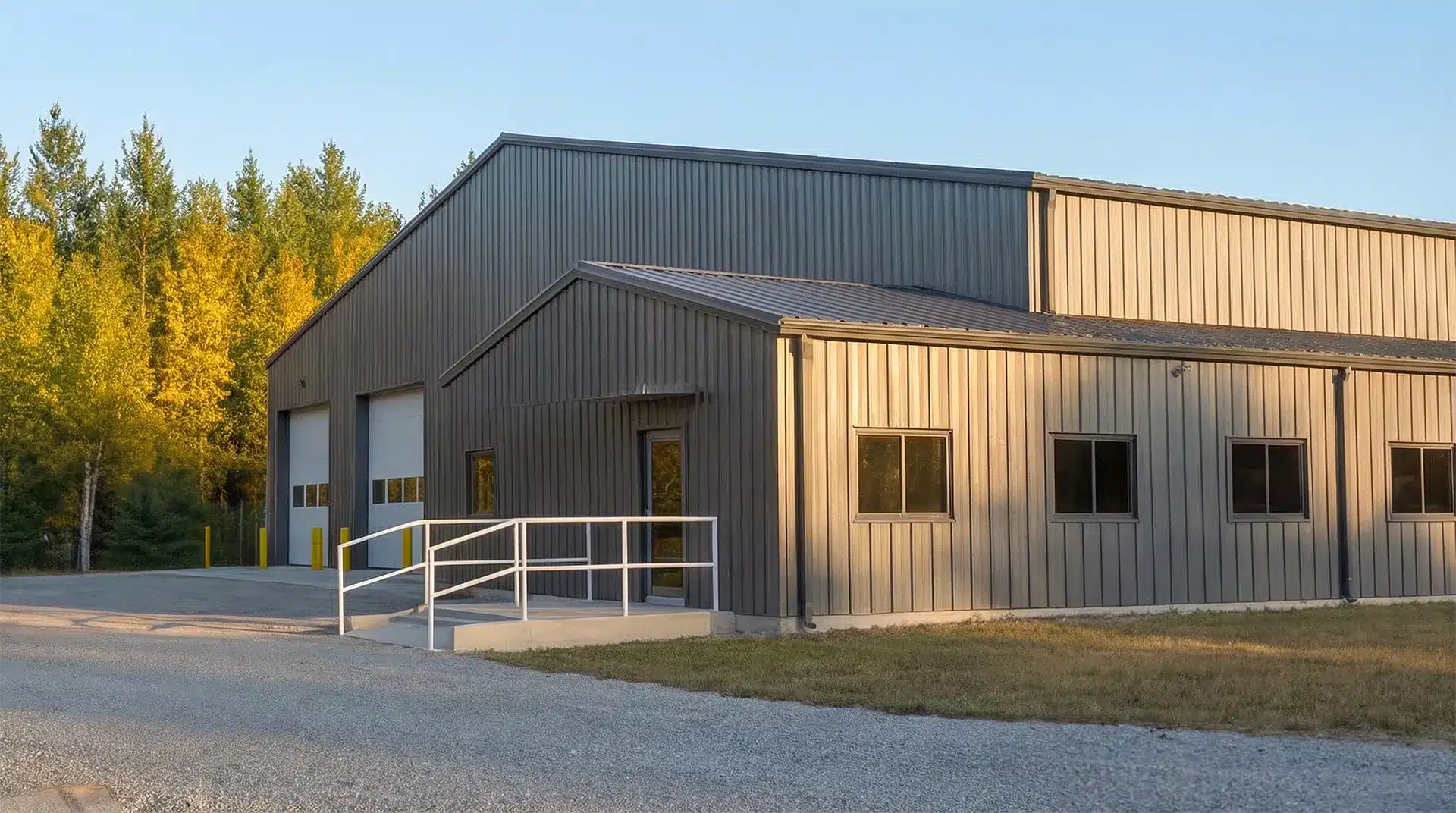
Whether you’re looking to build from scratch or upgrade an existing structure, consider how pole barns in Ontario, equipped with proper insulation, can meet your needs efficiently while contributing to energy savings.
Conclusion: The Path Forward
Pole barn insulation is not just an add-on; it’s an essential component that enhances functionality and comfort. By understanding the importance of insulation, selecting appropriate materials, and employing effective installation techniques, you ensure that your pole barn remains a valuable asset year-round.
If you’re ready to take the next step towards an insulated pole barn that meets all your requirements while being energy efficient, explore available resources and consider consulting with professionals who specialize in this field. Your journey towards comfort and efficiency starts here!