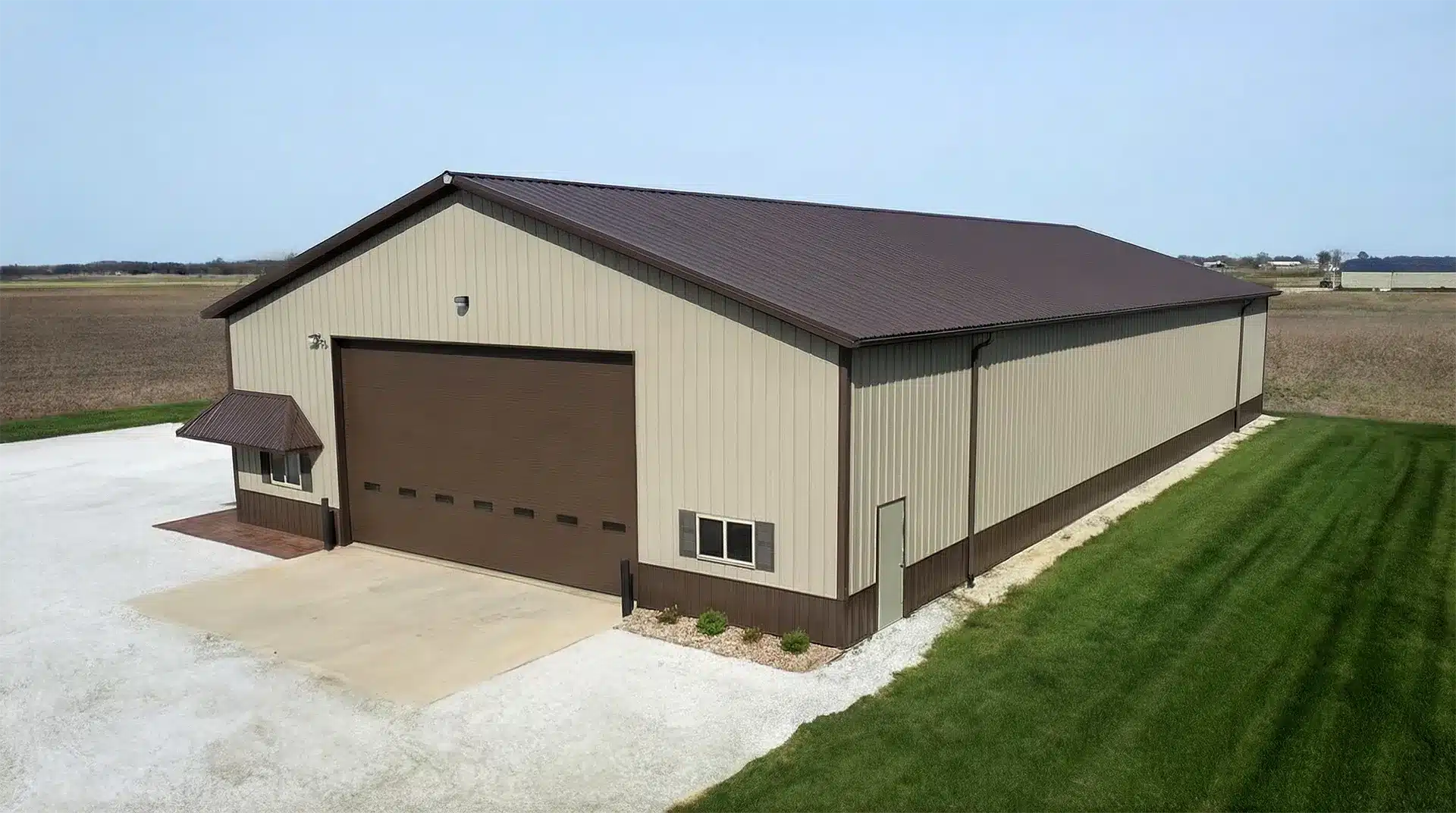
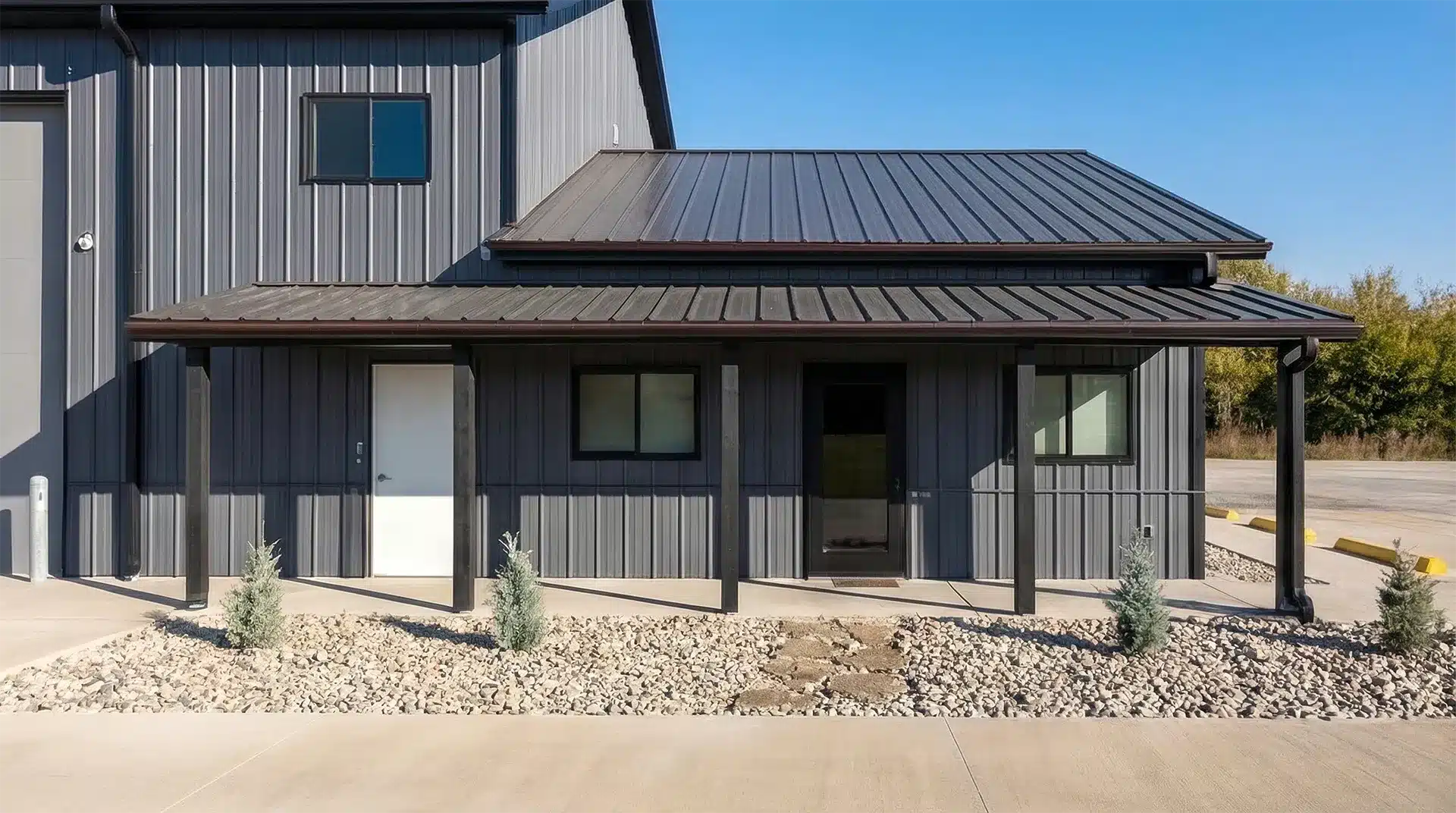
When it comes to maintaining a pole barn, one might wonder: how crucial is ventilation in ensuring the longevity and functionality of the structure? Pole barn ventilation is not just a minor detail but a vital component that can make or break your investment. Whether you’re housing livestock, storing equipment, or using it as a workshop, keeping the air fresh inside your pole barn is paramount. This comprehensive guide will walk you through everything you need to know about effective ventilation for your pole barn in Ontario.
Why Is Pole Barn Ventilation Important?
Imagine stepping into a stuffy room with no airflow; the air feels heavy, and breathing becomes uncomfortable. Now, apply this scenario to your pole barn. Without proper ventilation, moisture can accumulate, leading to mold growth and structural damage over time. Proper pole barn ventilation ensures that air circulates effectively, preventing these issues and maintaining a healthy environment inside.
The Role of Ventilation in Temperature Regulation
Ventilation doesn’t just keep the air fresh; it also plays a critical role in regulating temperature. During Ontario’s hot summers, a well-ventilated pole barn can prevent overheating, protecting both your belongings and any animals housed inside. In winter, it helps control condensation which can otherwise lead to frost damage. By integrating sustainable HVAC systems, you can enhance your barn’s climate control year-round.
Types of Ventilation Systems for Pole Barns
Choosing the right ventilation system depends on your specific needs and the design of your pole barn. Here are some common options:
Natural Ventilation
The simplest form of ventilation involves strategically placed openings that allow air to flow naturally through the building. This can be achieved by incorporating ridge vents, eave vents, or sidewall vents. According to Natural Resources Canada – Pole Barn Ventilation, natural ventilation is often sufficient for barns used primarily for storage.
Mechanical Ventilation
For larger barns or those housing livestock, mechanical systems like fans or exhaust systems may be necessary. These systems actively move air in and out of the structure, ensuring consistent airflow regardless of external weather conditions.
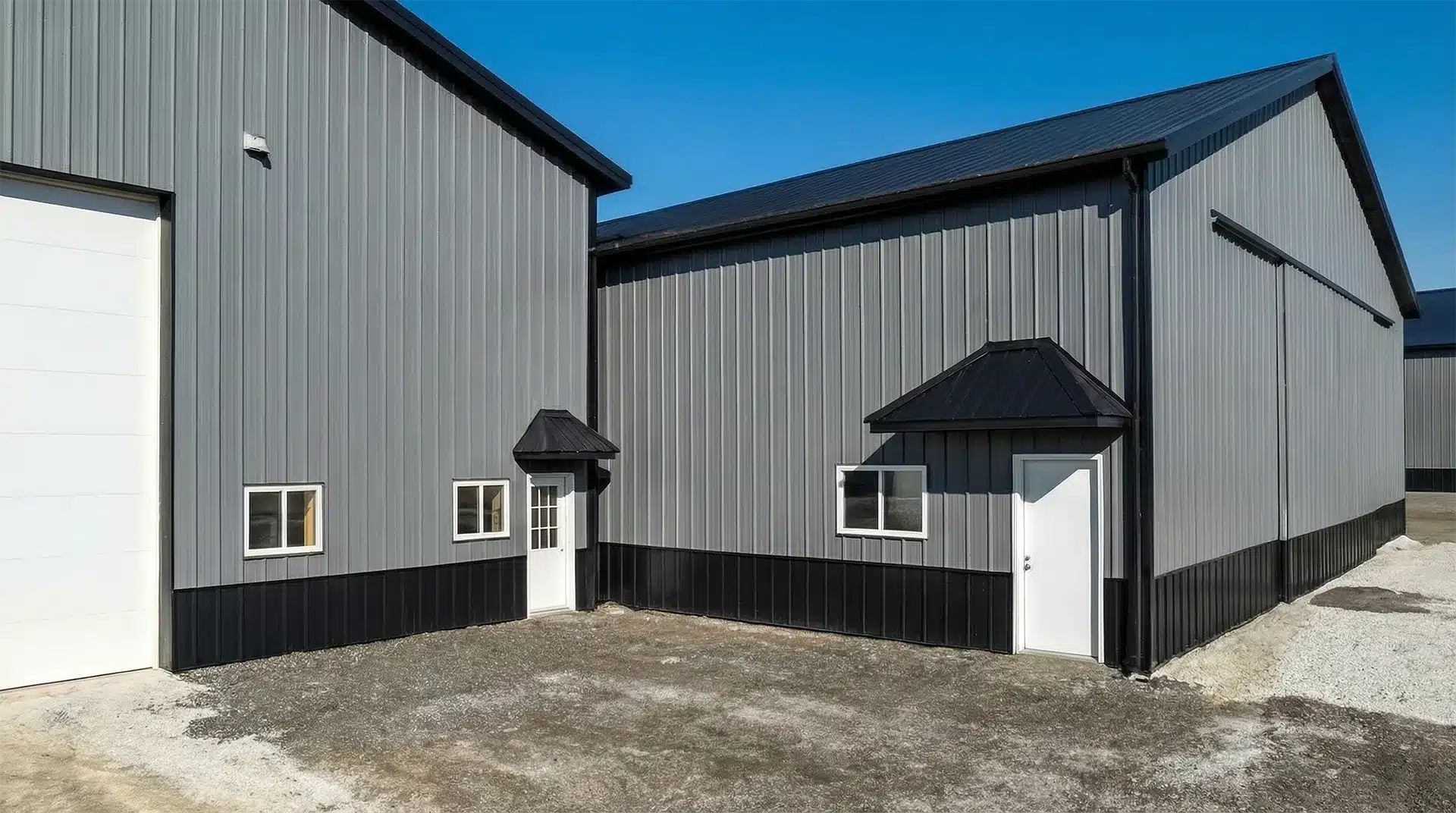
Design Considerations for Optimal Ventilation
When planning your pole barn construction or considering upgrades, think about how ventilation will fit into your overall design. Here are some factors to consider:
Location and Orientation
The location of your pole barn can significantly impact its natural ventilation potential. Positioning the structure to take advantage of prevailing winds can enhance airflow naturally.
Building Materials
The materials used in constructing your pole barn can affect its insulation properties and thus its ventilation needs. Metal buildings may require different approaches compared to wooden ones due to their thermal conductivity.
Choosing the Right Pole Barn Kit
If you’re starting from scratch, selecting from various pole barn kits in Ontario can simplify the process. These kits often include design elements that facilitate effective ventilation from the outset.
Maintaining Your Pole Barn’s Ventilation System
Once you’ve set up an effective ventilation system in your pole barn, regular maintenance is key to ensuring its continued efficiency:
Regular Inspections
Periodically check vents and fans for blockages or damage. Keeping these components clean will ensure they function as intended.
Seasonal Adjustments
Your ventilation needs may change with the seasons. Consider adjusting fan speeds or opening additional vents during extreme weather conditions to maintain optimal airflow.
Conclusion: Keeping It Fresh Year-Round
Pole barn ventilation is more than just about keeping things fresh; it’s about protecting your investment and ensuring a safe environment for everything housed within. By considering factors such as your building’s location, design elements, and available 30x54x14 Pole Barn Kit, you can create a space that meets all your needs efficiently.
If you’re ready to take the next step in constructing or upgrading your pole barn, don’t hesitate to browse our pole barn kit models. With proper planning and maintenance, you’ll ensure that your pole barn remains a valuable asset for years to come.