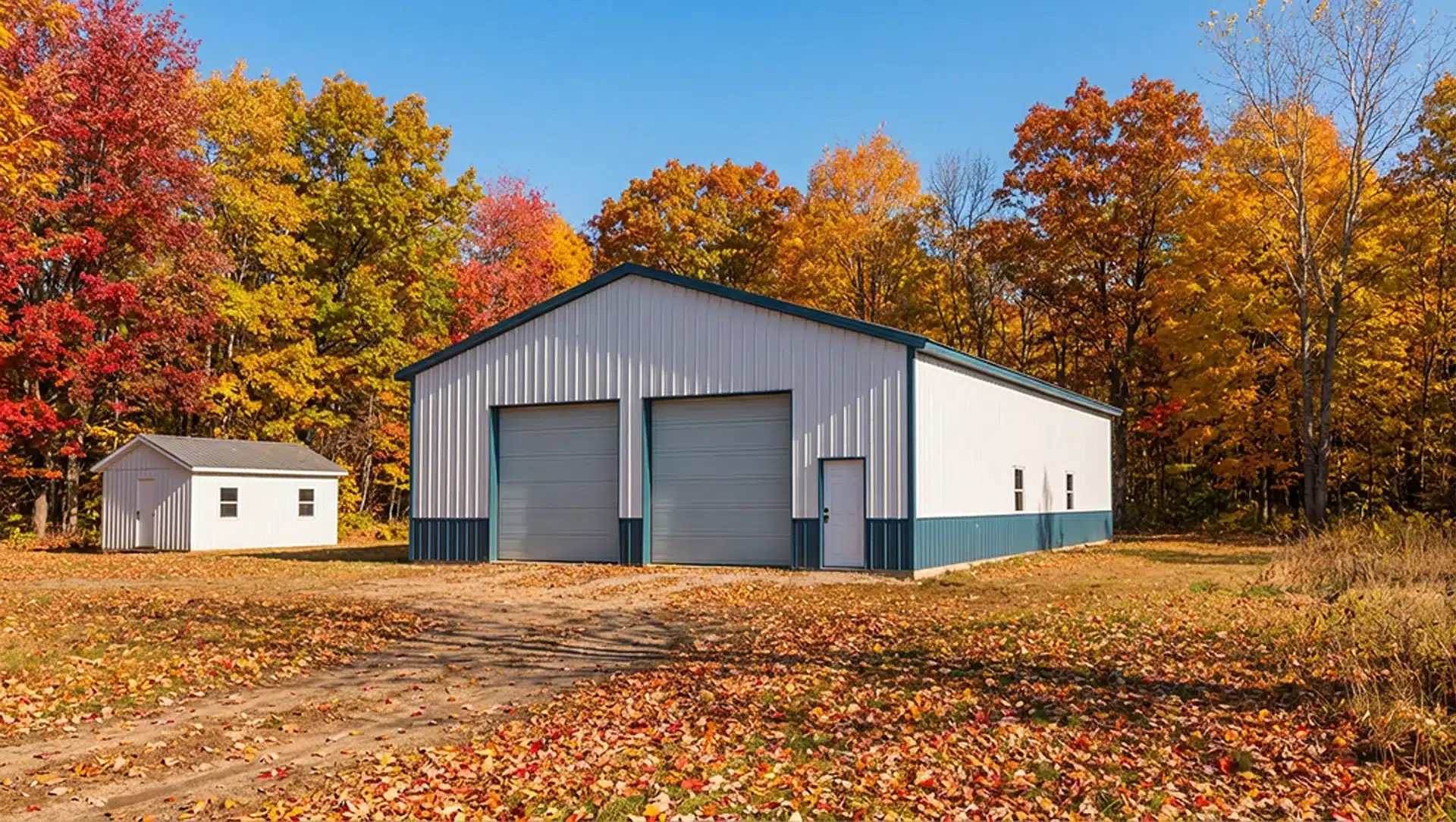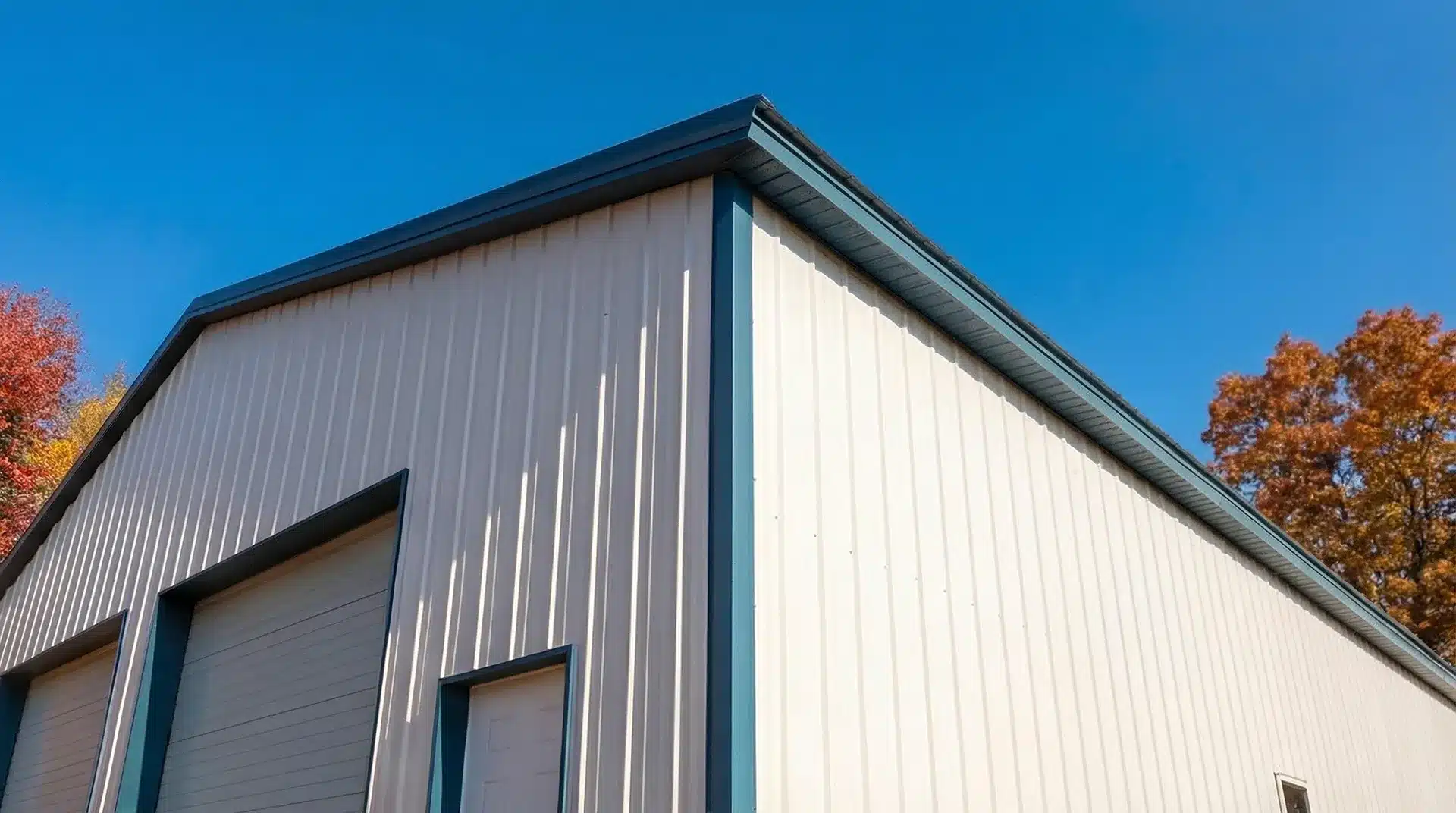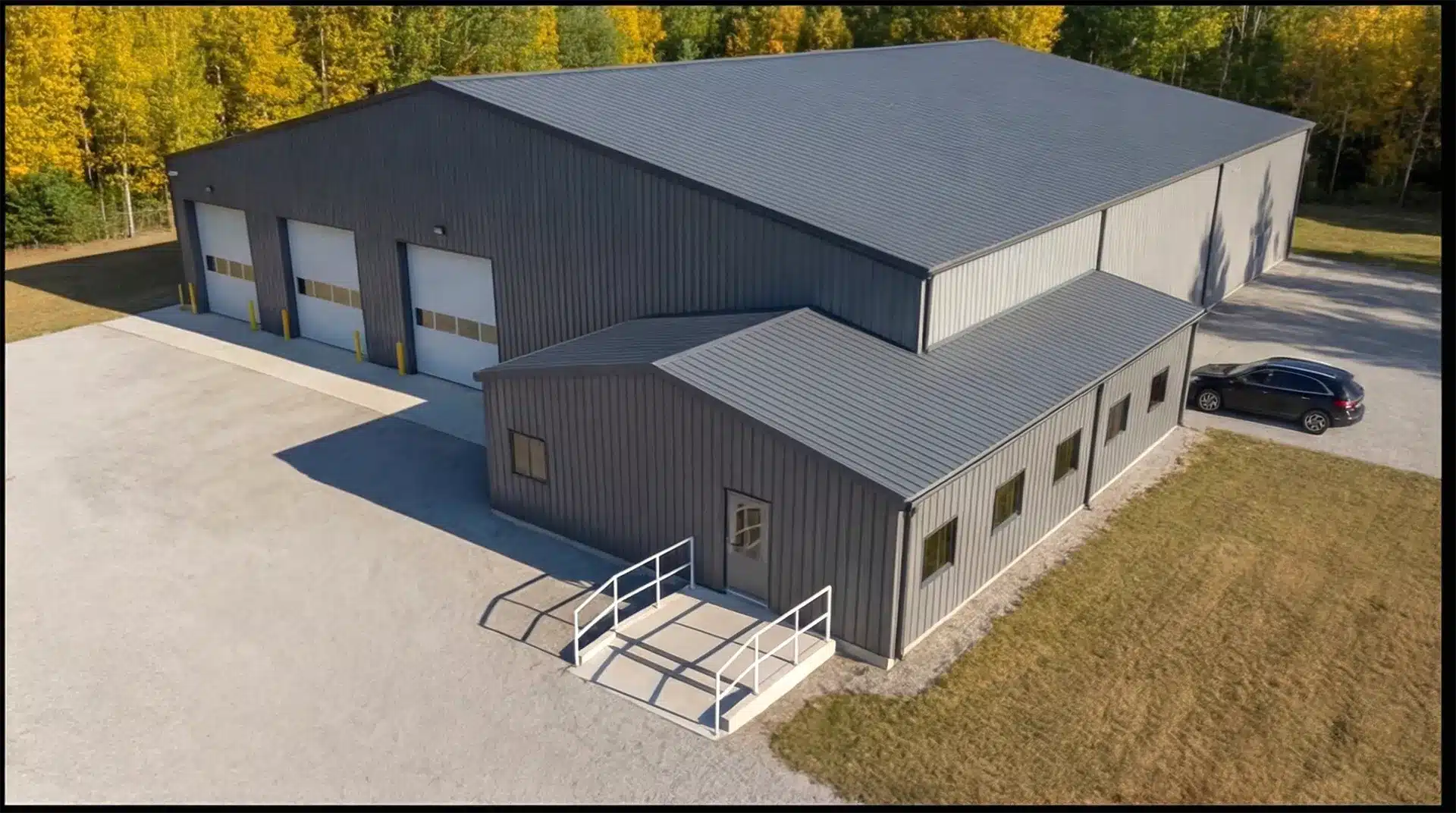
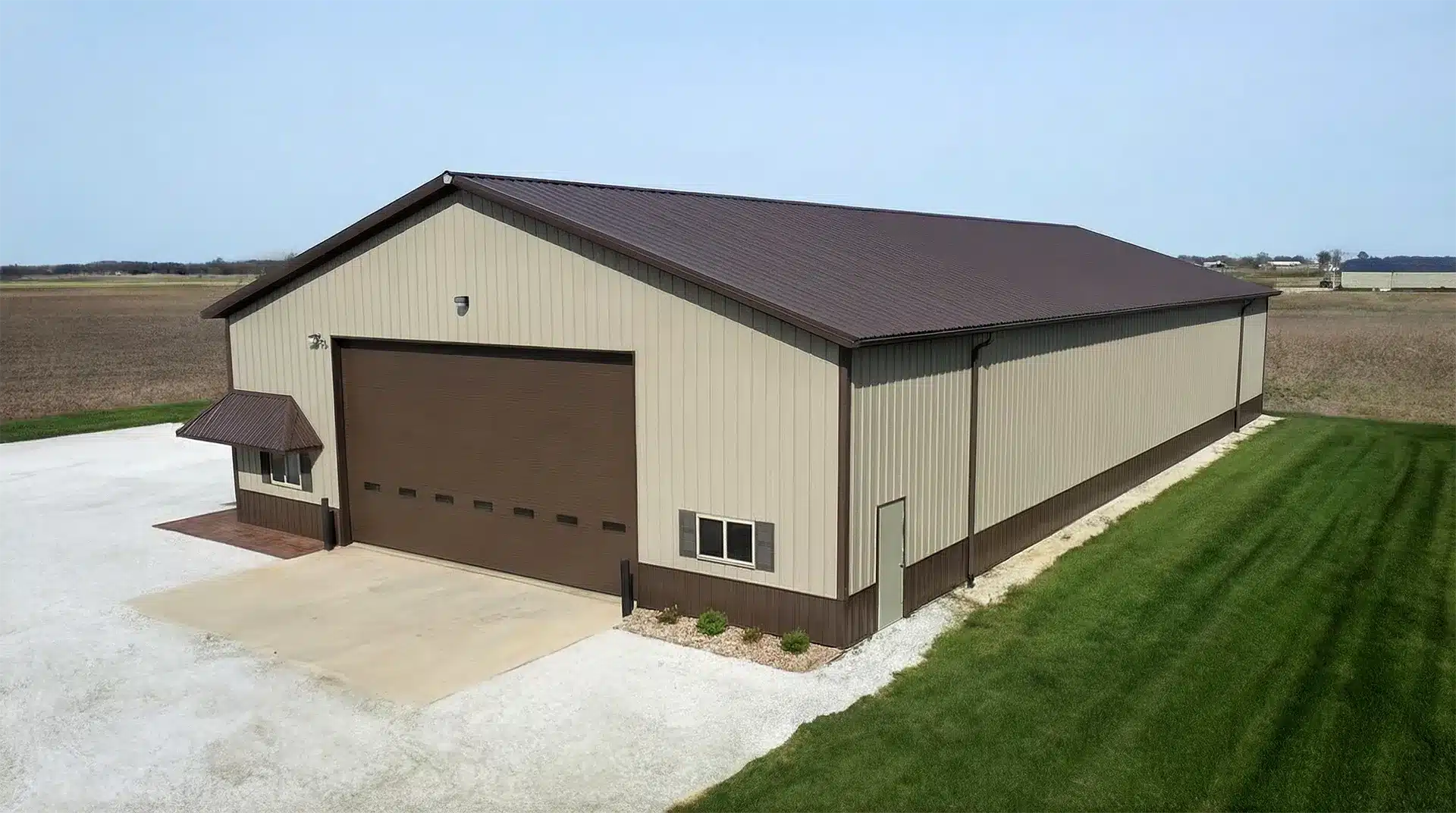
When it comes to designing a pole barn for vehicle storage, Ontario property owners have a wealth of options to consider. Whether you’re safeguarding your vintage car collection or simply need extra space for your everyday vehicles, a well-designed pole barn can offer both functionality and aesthetic appeal. But how do you go about creating the perfect vehicle storage pole barn design? Let’s explore some key considerations and design tips to help you get started.
Understanding the Basics of Vehicle Storage Pole Barn Design
Before diving into the specifics, it’s essential to understand what makes a vehicle storage pole barn unique. Unlike traditional garages, pole barns offer expansive spaces without interior load-bearing walls, providing flexibility in layout and use. This open design is ideal for storing multiple vehicles, from cars and trucks to RVs and boats.
One of the primary advantages of choosing a pole barn is its cost-effectiveness. With fewer materials needed for construction compared to conventional buildings, pole barns in Ontario present an affordable solution for many property owners.
Key Features to Consider
When planning your vehicle storage pole barn design, consider these essential features:
- Size and Layout: Determine the size based on the number and type of vehicles you plan to store. A 20x40x12 Pole Barn Kit might be perfect for storing several cars or large equipment.
- Access Points: Ensure easy access with appropriately sized doors. Roll-up or sliding doors are popular choices for their convenience.
- Ventilation: Proper airflow is crucial to prevent moisture buildup and protect your vehicles from rust and corrosion.
- Insulation: Depending on Ontario’s climate, insulation may be necessary to maintain a stable internal temperature.
The Environmental Impact of Pole Barns
In today’s world, sustainability is more important than ever. Designing your pole barn with eco-friendly practices can significantly reduce its environmental footprint. The Canada Green Building Council – Pole Barn Design for Vehicle Storage offers guidelines on sustainable building practices that can be applied to pole barns.
Using recycled steel or sustainably sourced wood can contribute to a greener build. Additionally, incorporating solar panels or energy-efficient lighting can further enhance the environmental benefits of your vehicle storage solution.
Aesthetic Considerations
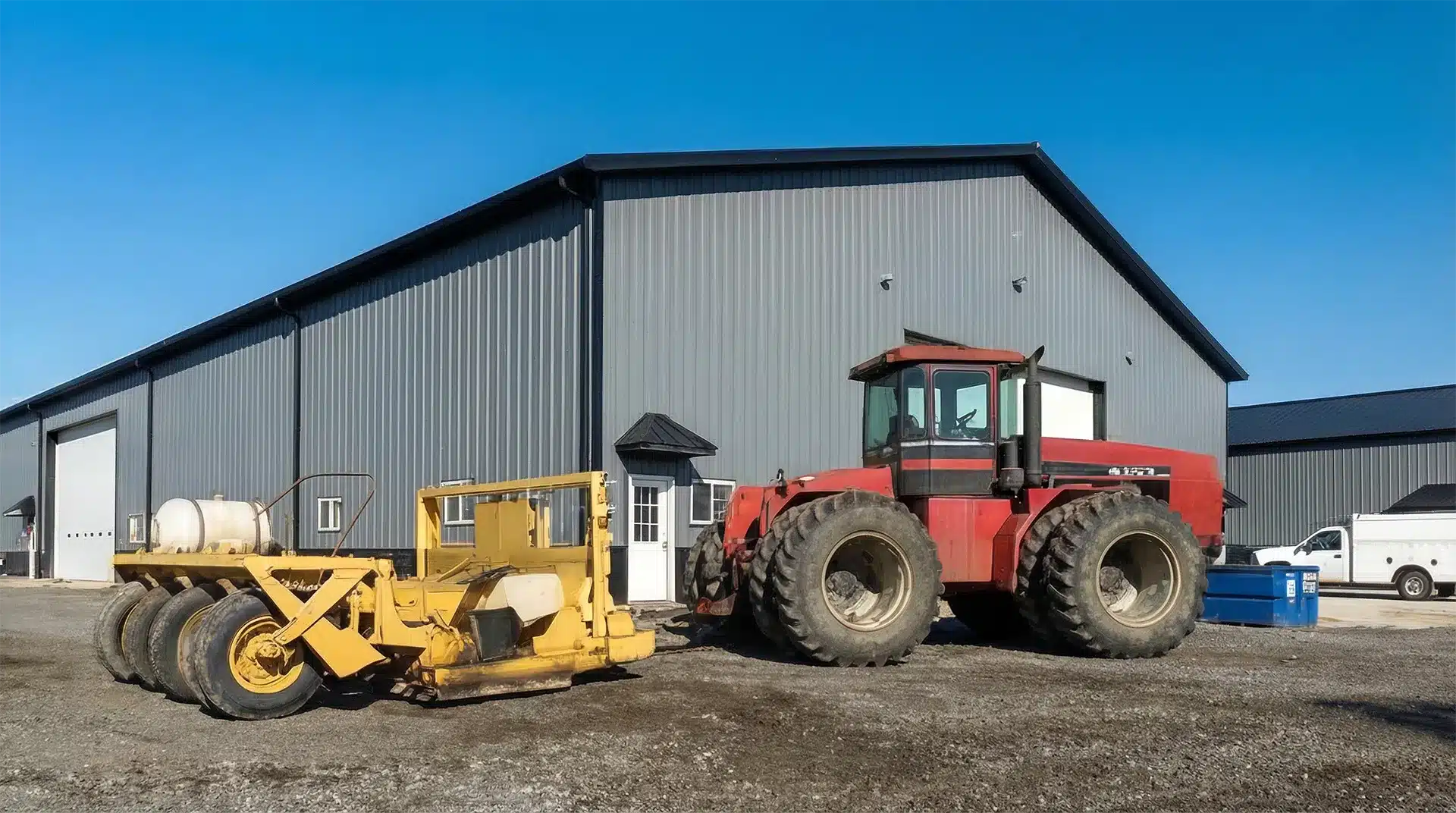
Your vehicle storage pole barn doesn’t have to be purely functional; it can also complement the aesthetic of your property. Choose materials and colors that blend seamlessly with existing structures or the surrounding landscape. A well-designed exterior can add value and curb appeal to your property.
If you’re considering using your pole barn for more than just vehicle storage, explore options like residential pole barns, which offer versatile living spaces alongside storage solutions.
The Benefits of Steel Pole Barn Kits
For those looking for a DIY approach, Steel Pole Barn Kits provide an excellent solution. These kits come with pre-engineered components that simplify the construction process while ensuring durability and strength. Steel is particularly advantageous due to its resistance to pests, fire, and weather-related damage.
The ease of assembly and cost savings make steel kits an attractive option for many Ontario property owners seeking efficient vehicle storage solutions.
Conclusion: Designing Your Ideal Vehicle Storage Solution
In conclusion, creating a vehicle storage pole barn design involves careful consideration of size, functionality, aesthetics, and sustainability. By focusing on these elements, you can develop a structure that meets your needs while enhancing your property’s value.
Pole barns offer flexibility and affordability that few other building types can match. Whether you’re assembling a kit yourself or hiring professionals for a custom build, this versatile option could be the perfect solution for your vehicle storage needs in Ontario.
As you embark on designing your ideal pole barn, remember that each decision—from materials to layout—impacts both functionality and environmental impact. With thoughtful planning and execution, your new structure will serve as a reliable and attractive asset for years to come.