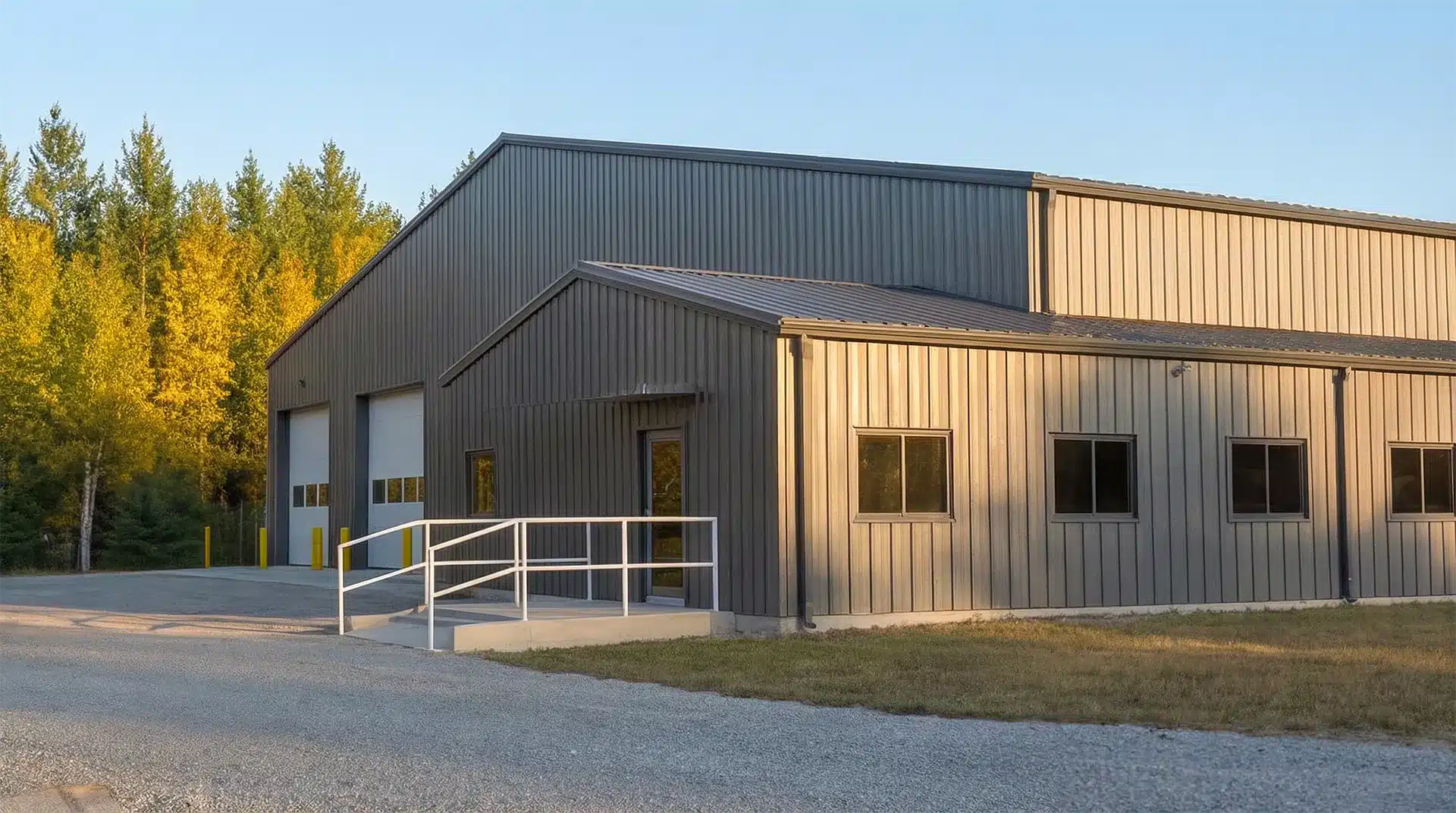
Planning a pole barn project in Ontario can be an exciting journey, filled with possibilities and the promise of creating a space that perfectly suits your needs. Whether you’re looking to build a new storage facility, workshop, or even a unique living space, understanding the planning process is crucial for success. But where do you start? How do you ensure that your project is not only feasible but also cost-effective and compliant with local regulations? Let’s dive into the essential steps to help you navigate this complex yet rewarding process.
Understanding the Basics of Pole Barns
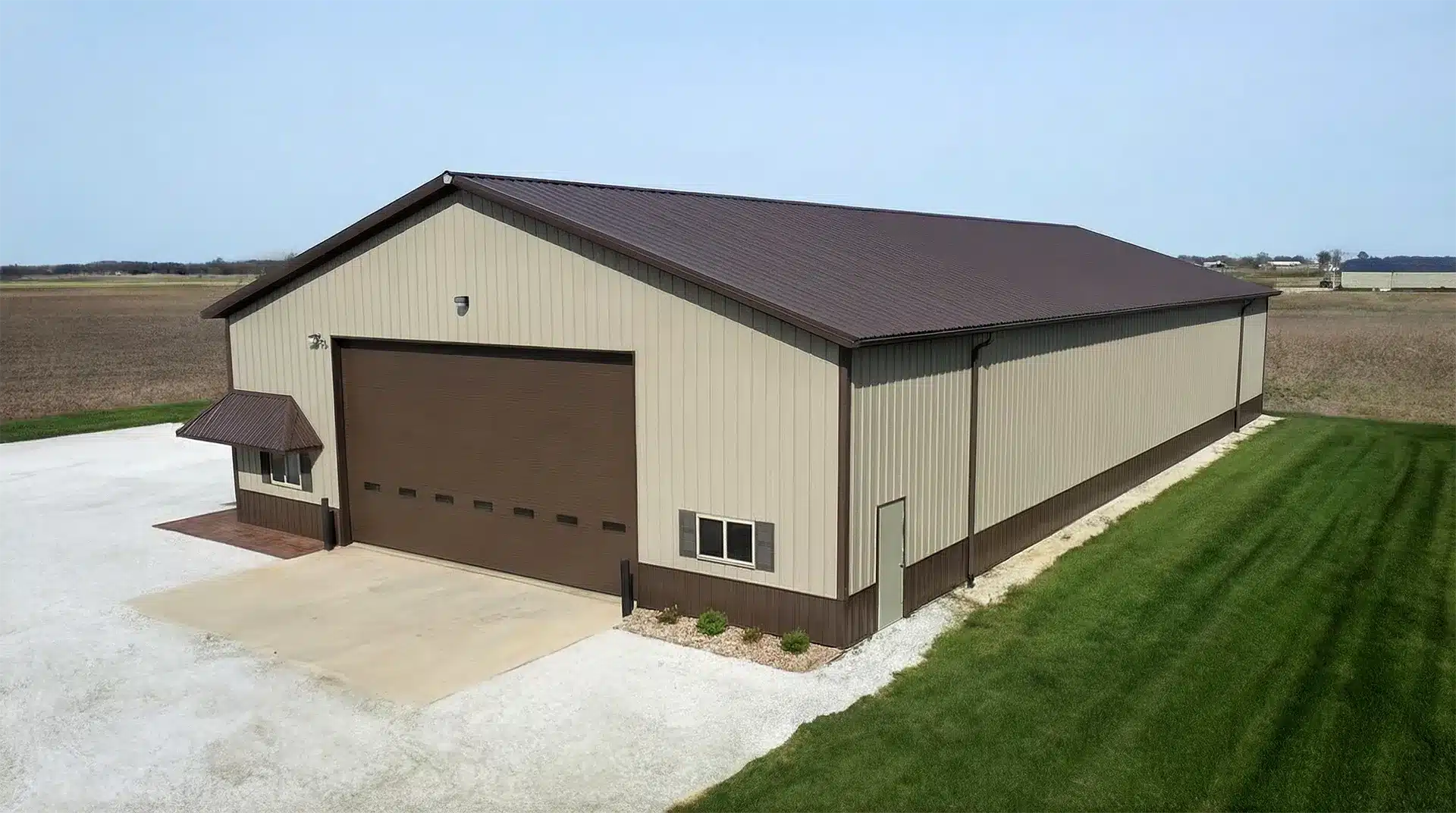
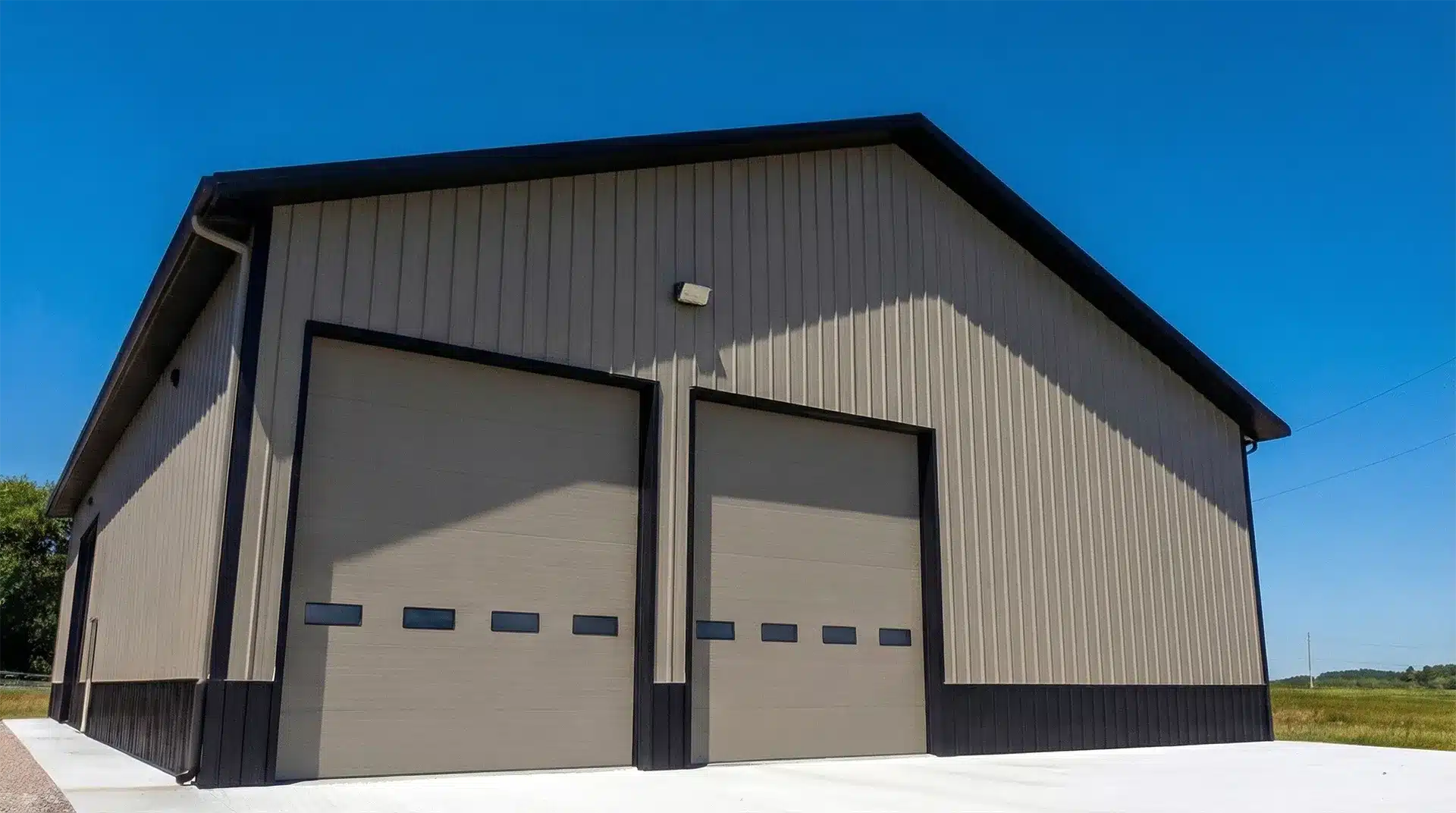
Pole barns, also known as post-frame buildings, offer a versatile and economical building solution. They are constructed using large poles or posts buried in the ground, providing structural support for the roof and walls. This method reduces the need for complex foundations, making it a popular choice for both agricultural and residential purposes.
Before planning your pole barn project, it’s important to understand the different types of pole barns available. From basic storage units to fully insulated living spaces, the options are vast. Whether you’re interested in building a simple barn or exploring more elaborate designs like 50x100x16 Pole Barn Kit, knowing your requirements will guide your planning process.
Key Considerations Before You Start
Just like starting a custom home project, building a pole barn requires careful consideration of several factors:
- Purpose: Determine the primary use of your pole barn. Will it be used for storage, livestock, or as a workshop?
- Location: Choose a site that provides easy access and meets zoning regulations.
- Budget: Establish a realistic budget that includes materials, labor, permits, and unforeseen expenses.
- Design: Consider the size, style, and features you want in your pole barn.
Navigating Regulations and Permits
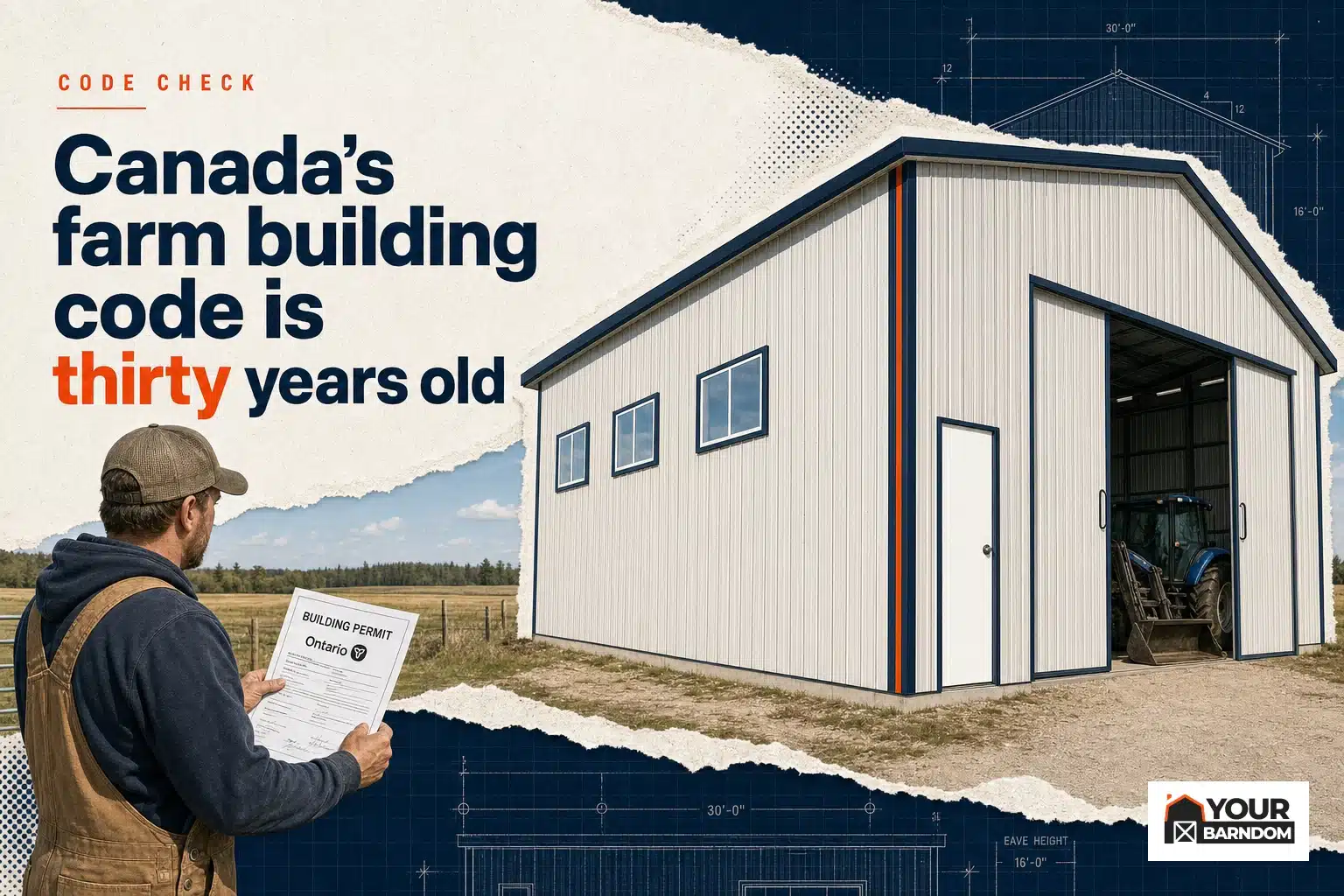
One of the most critical steps in planning a pole barn project is understanding local building codes and obtaining the necessary permits. In Ontario, regulations can vary significantly between municipalities, so it’s essential to consult with local authorities early in the process. The Canada Mortgage and Housing Corporation – Planning Pole Barn Project offers valuable resources to help you understand these requirements.
Failing to comply with local regulations can lead to costly fines or even the dismantling of your structure. Therefore, investing time in research and consultation can save you significant headaches down the road.
Selecting Your Building Materials
The choice of materials will greatly impact the durability and aesthetics of your pole barn. Steel is often preferred for its strength and resistance to harsh weather conditions common in Ontario. Pre-engineered barn kits provide a convenient option by offering all necessary components in one package. These kits are designed for easy assembly, making them an attractive choice for DIY enthusiasts or those looking to reduce labor costs.
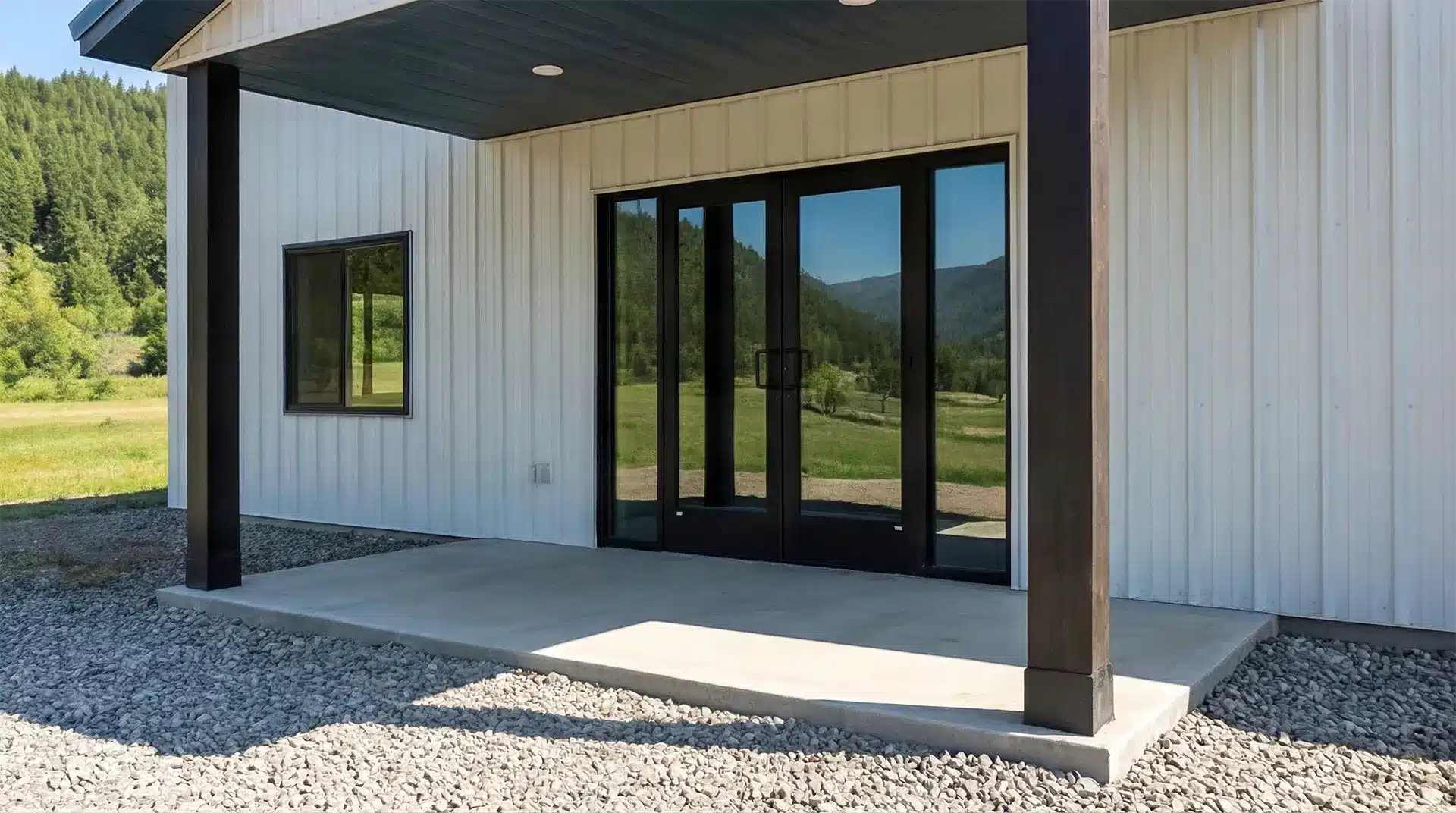
Exploring options like pre-engineered barn kits can streamline your planning process by providing clear guidelines on assembly and material specifications.
The Construction Phase: Bringing Your Vision to Life
Once you’ve completed the planning phase and secured all necessary permits, it’s time to move on to construction. This stage involves site preparation, laying out the foundation (or poles), framing, roofing, and finishing touches like insulation or interior walls if desired.
If you’re working with contractors, ensure they have experience with pole barns in Ontario to guarantee quality workmanship. Regular communication with your builders will help keep the project on track and within budget.
Post-Construction Considerations
Your new pole barn is complete—what’s next? Beyond enjoying your new space, consider future maintenance needs such as repainting or roof repairs. Additionally, think about any potential expansions or modifications you might want down the line.
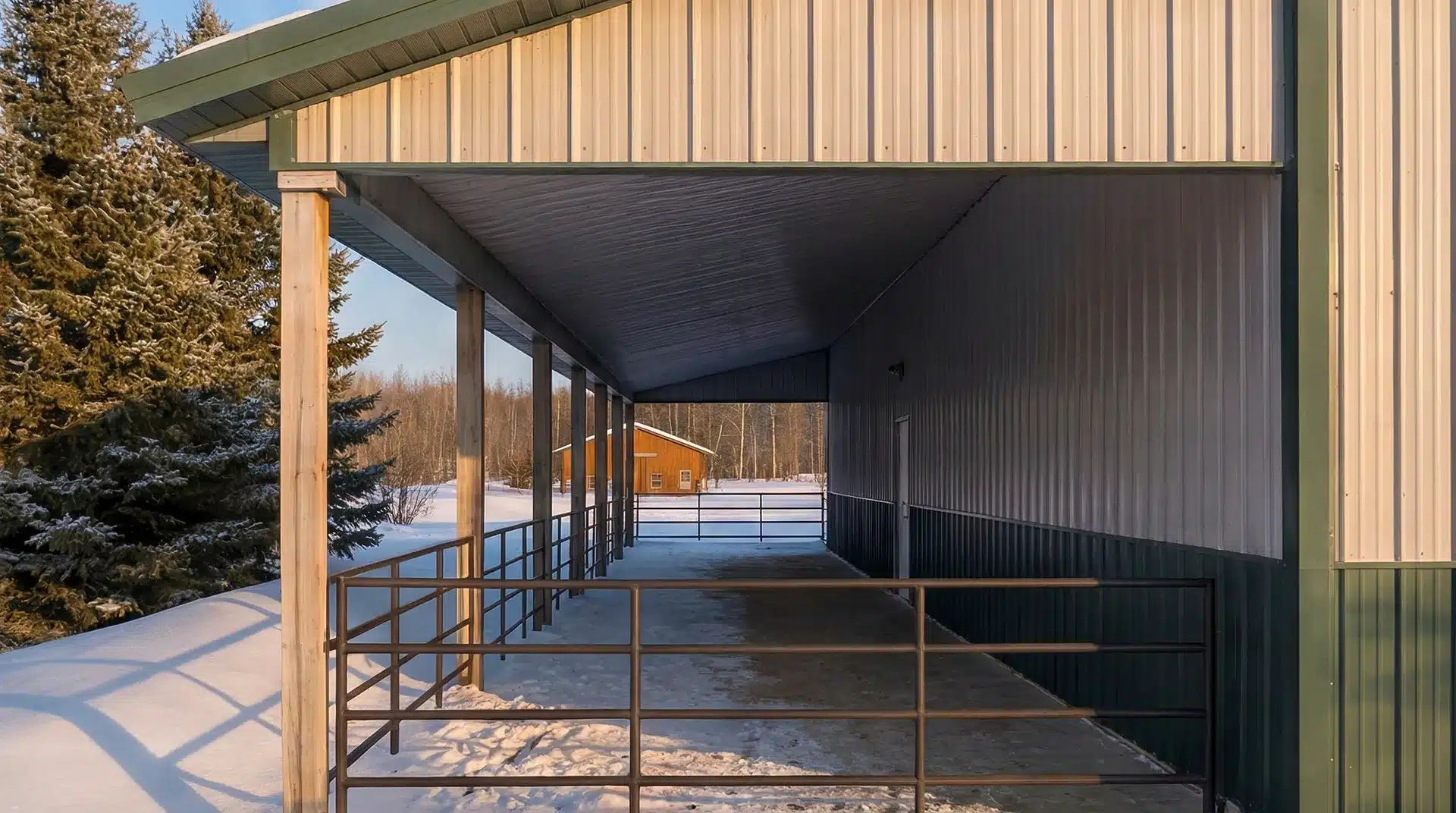
A well-maintained pole barn can serve you for decades, adapting to changing needs over time. Regular inspections will help identify areas requiring attention before they become major issues.
Conclusion: Your Pathway to Success
Planning a pole barn project requires careful consideration of numerous factors—from initial design concepts to final construction details. By understanding your goals, navigating regulations carefully, selecting quality materials like steel or pre-engineered kits, and maintaining clear communication with builders, you can create a functional and aesthetically pleasing space tailored to your needs.
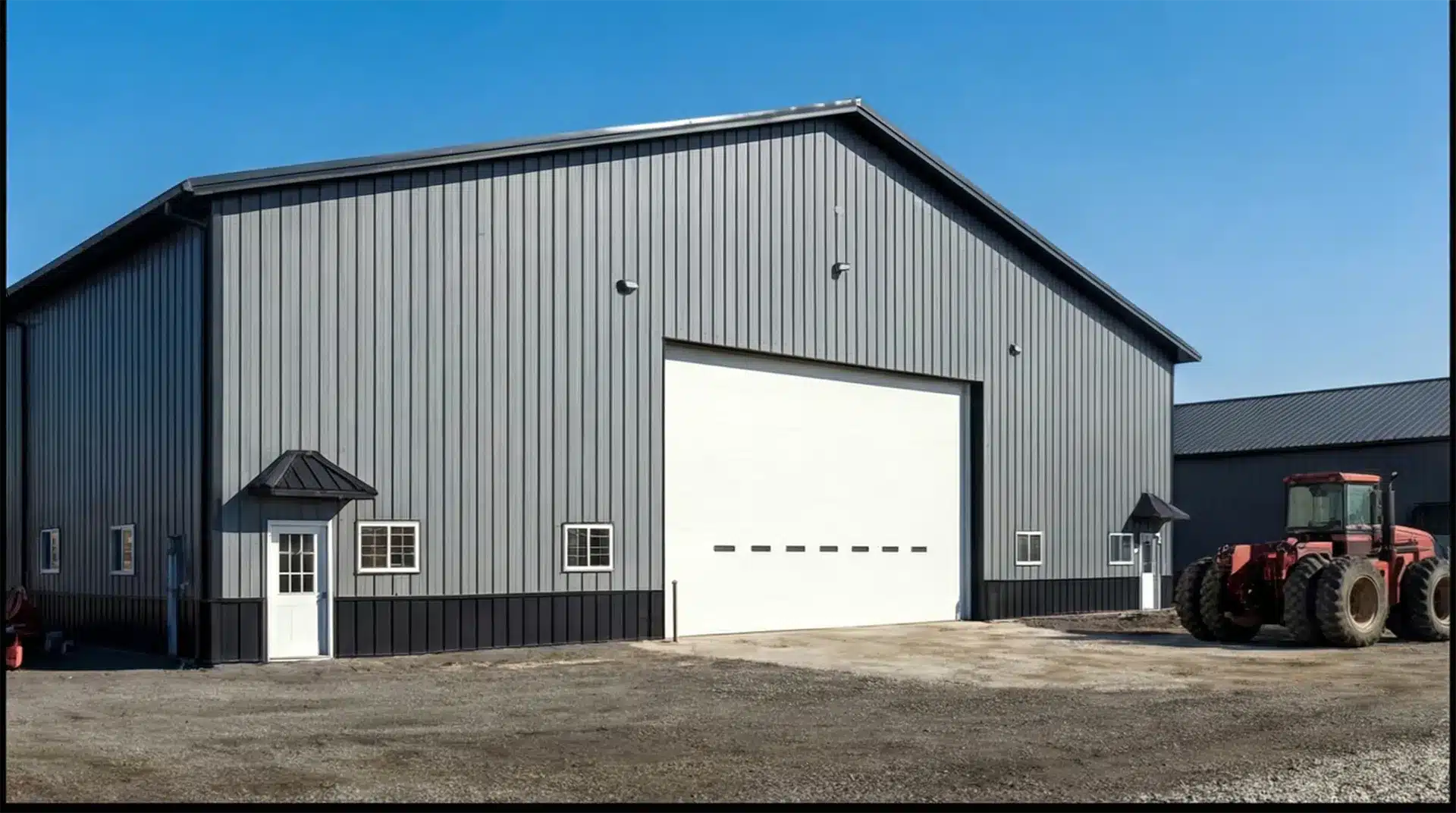
Your journey doesn’t end once construction is complete; ongoing maintenance ensures longevity while allowing room for future growth or modifications as needed. With proper planning from start to finish—guided by expert advice—you’ll find yourself well-equipped for success in building your dream pole barn in Ontario.