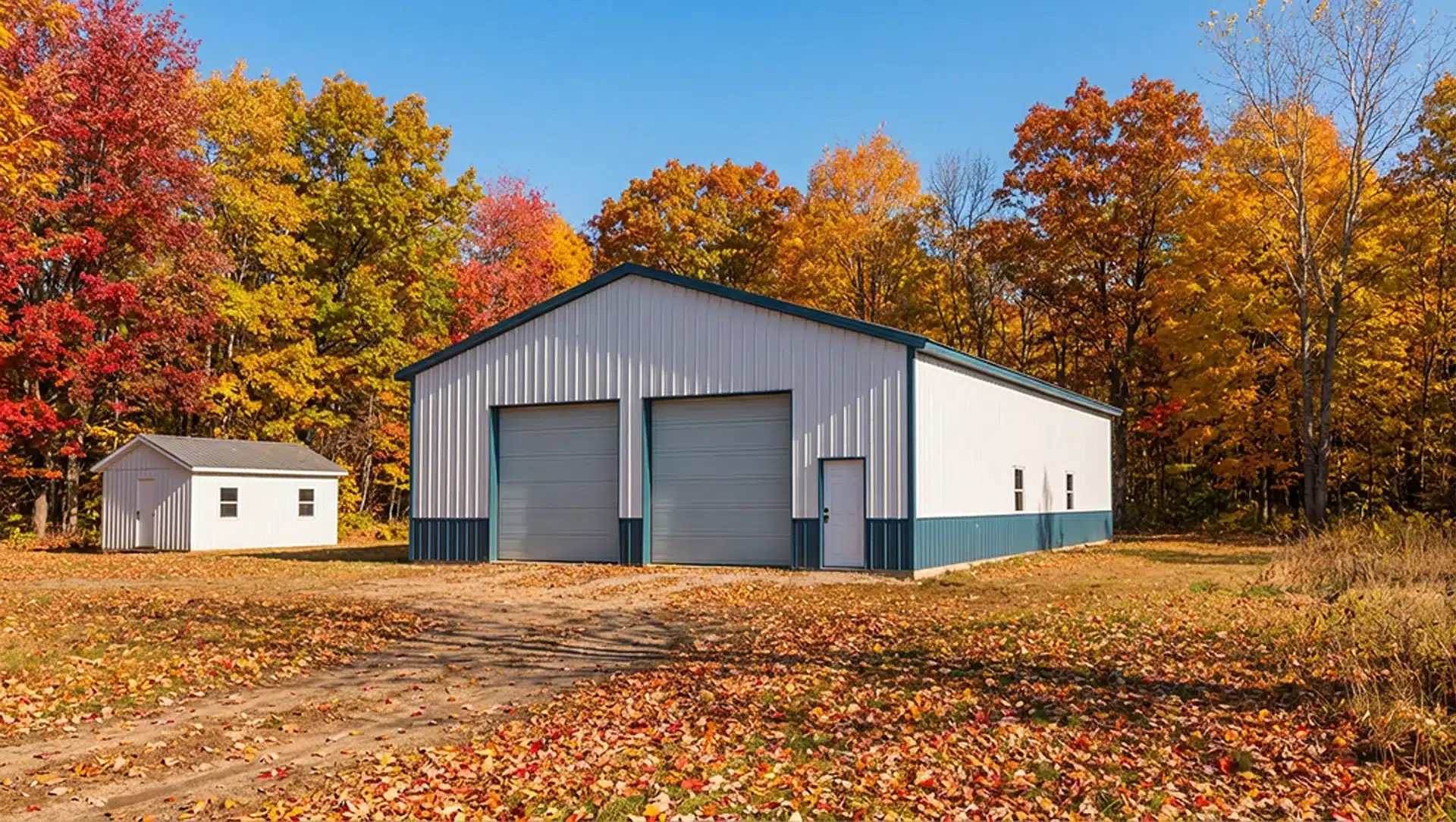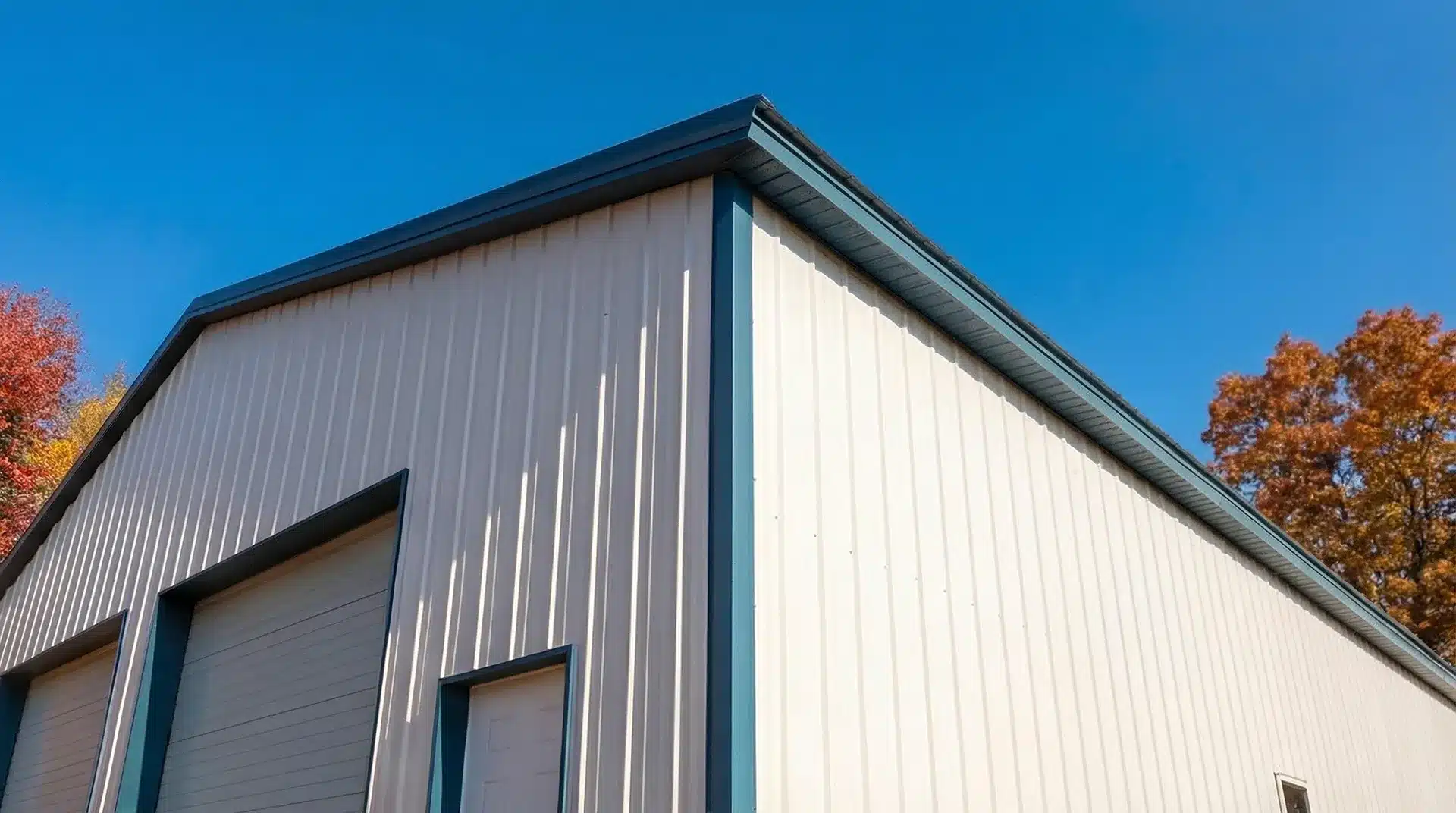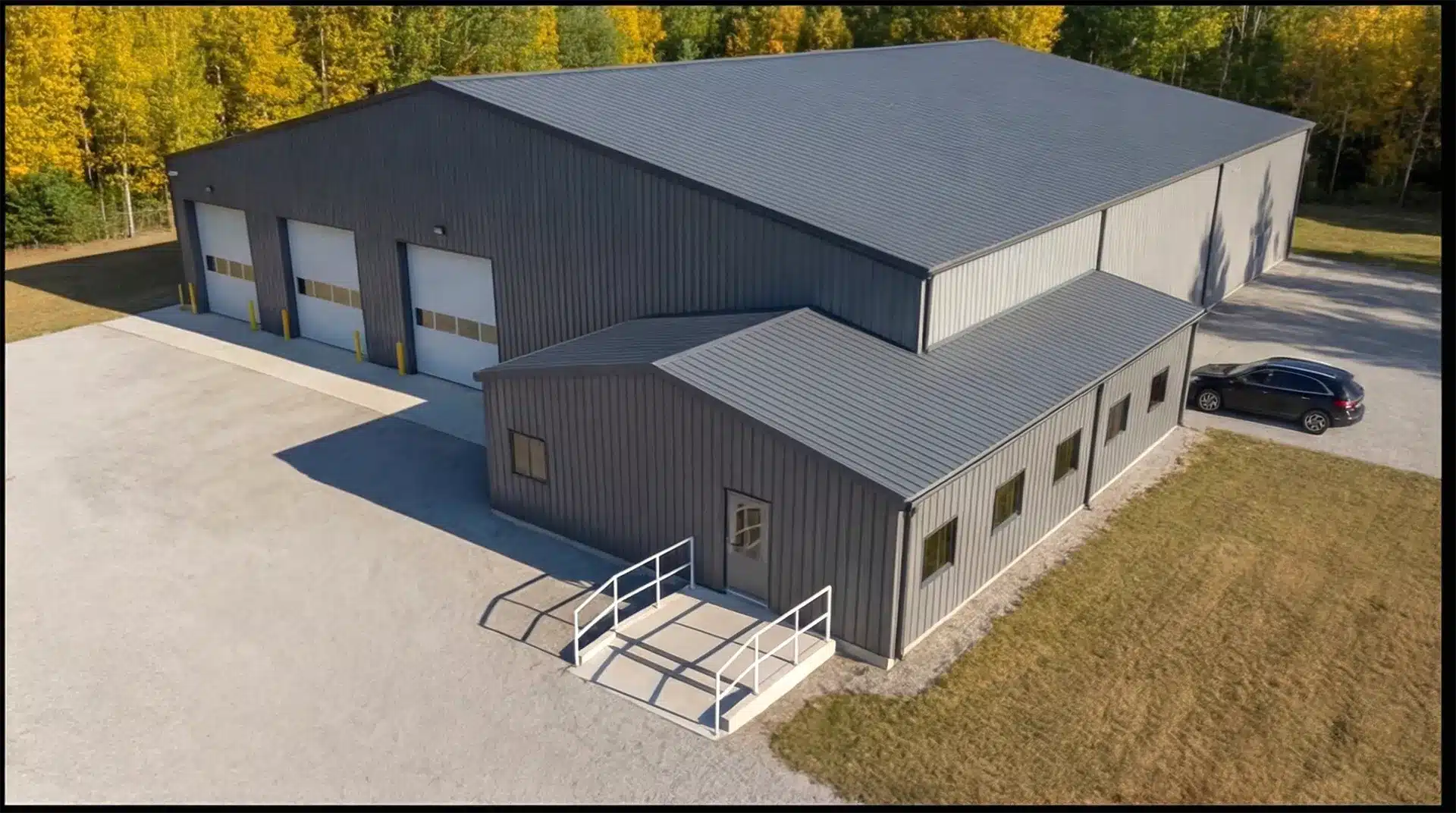
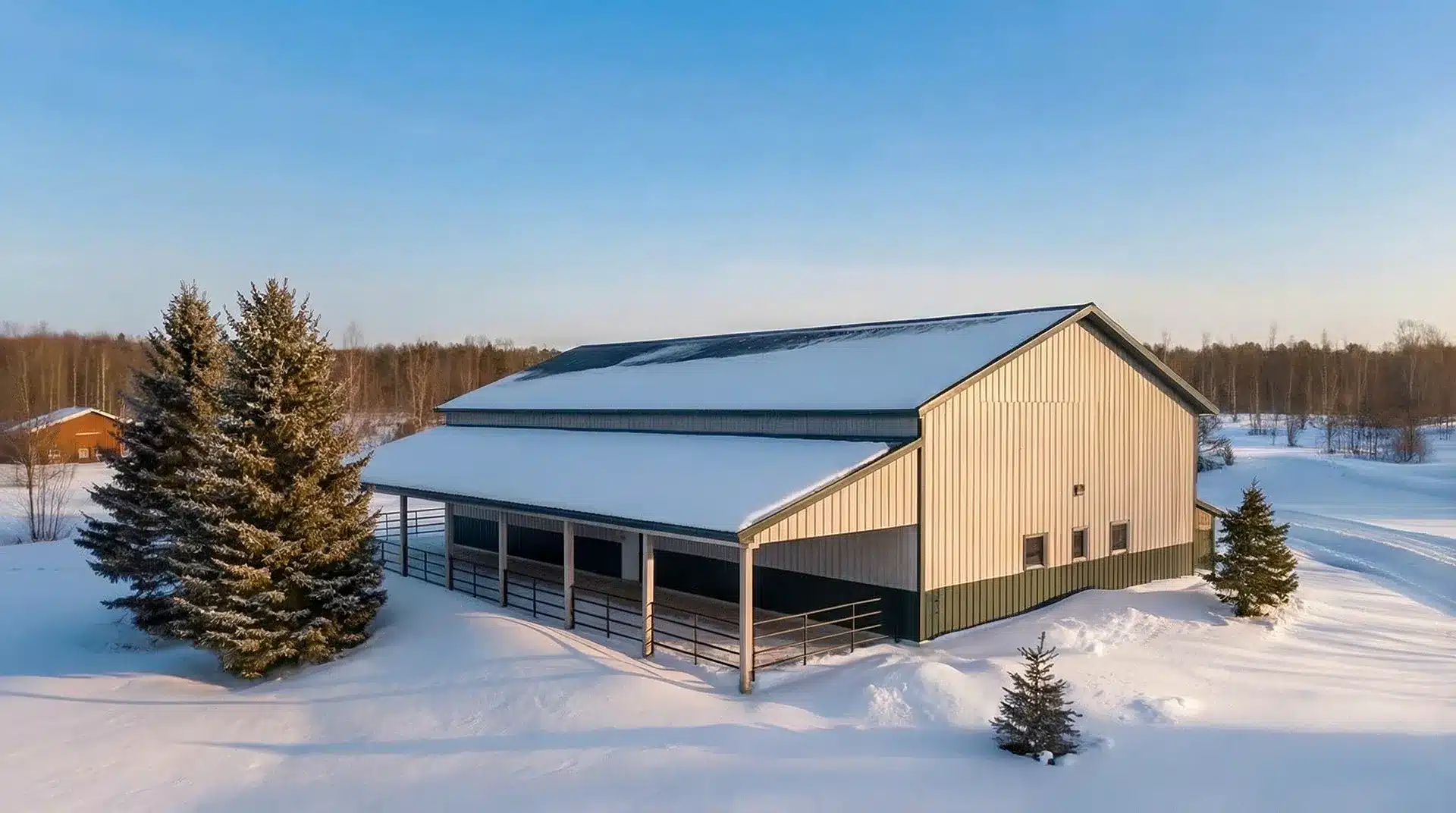
When it comes to constructing a pole barn in Ontario, one of the critical aspects that often gets overlooked is the electrical wiring and lighting. Whether you’re using your pole barn as a workshop, storage facility, or even a cozy barndominium, ensuring the right electrical setup is crucial for functionality and safety. But where do you start? Let’s delve into the essentials of pole barn electrical wiring to illuminate your path forward.
Understanding Pole Barn Electrical Wiring
Electrical wiring in a pole barn involves more than just running a few wires through the structure. It requires planning and understanding of local electrical codes. The process can be likened to laying down the veins of a living organism, providing power and life to every corner of your building. Before diving into this task, consider consulting resources like BuildForce Canada – Pole Barn Electrical Wiring for comprehensive guidelines.
Planning Your Electrical Layout
The first step in any successful electrical project is planning. Begin by determining the purpose of your pole barn. Will it house heavy machinery, or will it be used as a simple storage space? The answer will dictate the complexity of your wiring needs. For example, a workshop might require multiple outlets along with robust lighting solutions, while a storage shed might need only basic lighting.
Consider Your Power Needs
Understanding your power needs is crucial. Calculate the total wattage required by all the equipment you plan to use simultaneously. This ensures that your electrical system can handle the load without tripping breakers or causing other issues.
Choosing the Right Lighting
Lighting is an integral part of any pole barn’s functionality. It sets the ambiance and ensures safety during nighttime operations. Consider energy-efficient LED lights for longevity and cost savings. Additionally, think about installing motion sensors or timers to optimize energy usage.
Installation Tips for Pole Barn Electrical Wiring
While DIY enthusiasts might be tempted to tackle electrical installations themselves, it’s essential to weigh the risks involved. If you’re considering going down this route, check out these DIY pole barn construction tips for success.
Professional Installation vs. DIY
A professional electrician will ensure that all installations comply with Ontario’s electrical safety standards, preventing potential hazards and ensuring efficiency. However, if you decide on a DIY approach, familiarize yourself with local codes and acquire the necessary permits.
Essential Tools and Materials
For those opting for DIY, having the right tools is paramount. You’ll need wire cutters, voltage testers, conduit benders, and other specialized tools to ensure a safe installation process.
The Benefits of Pre-Engineered Barn Kits
If you’re still in the planning phase of your project, consider using pre-engineered barn kits. These kits come with many conveniences, including pre-drilled holes for wiring conduits and detailed instructions that guide you through each step of construction.
Pole Barn Kits in Ontario
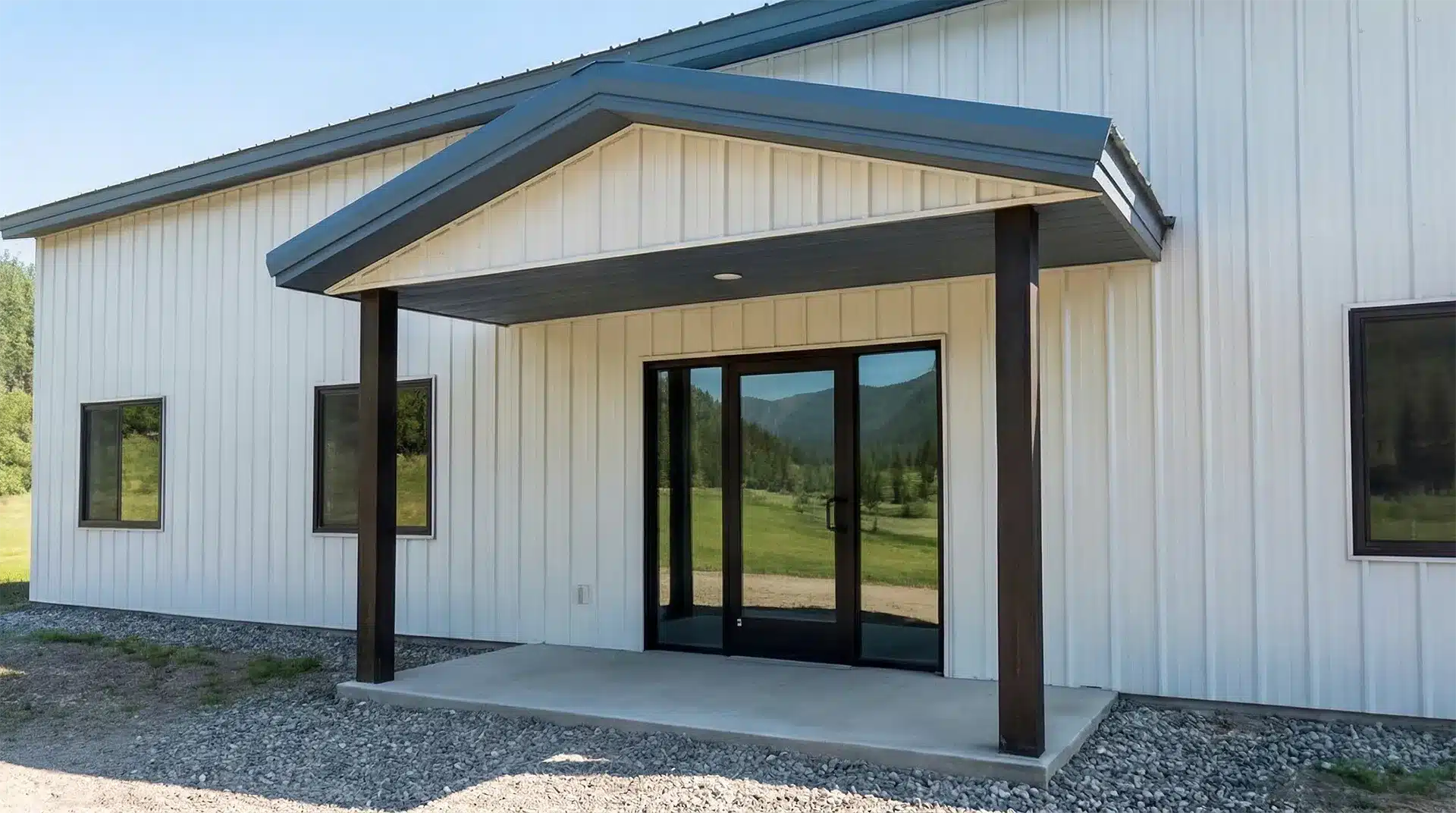
Pole barns are becoming increasingly popular across Ontario due to their versatility and cost-effectiveness. If you’re exploring options for pole barns in Ontario, consider investing in a kit like the 40x80x16 Pole Barn Kit, which provides ample space and structural integrity.
Conclusion: Illuminating Your Path Forward
The journey to perfect pole barn electrical wiring might seem daunting at first glance, but with careful planning and consideration of local regulations, it becomes manageable. Whether you choose to hire professionals or embark on a DIY adventure, remember that safety should always be your top priority.
By understanding your needs and leveraging resources like pre-engineered kits and expert advice from BuildForce Canada, you can ensure that your pole barn not only meets but exceeds your expectations in functionality and safety.