Building A Barndominium in Ontario | Barndominiums in Canada
Are you considering building a barndominium in Ontario? Don't think this unique style of home is limited to the American South. Barndominiums are gaining popularity in Canada, including in Ontario.…

On this page
Building Barndominium in Ontario: The 2026, code-smart way to live, work, and actually enjoy winter
If you’ve been sketching a shop-house on napkins over Tim Hortons coffee talks, you’re not alone. Building Barndominium in Ontario is booming in 2026, with families chasing acreage living, heated shop bays, and that moody Black Barndo look that turns heads on concession roads. Building Barndominium in Ontario isn’t just a trend; it’s a smarter path to square footage, resilience, and all-season comfort—especially when beating the deep freeze matters more than cute Pinterest boards. Building Barndominium in Ontario with a clear-span steel frame means flexible layouts, high ceilings, and a garage door big enough for sleds, tractors, and your side hustle. Building Barndominium in Ontario also means navigating OBC 2026, SB-12 tiers, radon rough-ins, and rebates without the headaches. And yes, Building Barndominium in Ontario can look sleek: matte black steel, warm wood accents, and glass that soaks up southern sun without the drafts.
Here’s the practical scoop. If you’re comparing a traditional stick build to a barndominium in Canada, you’ll find steel wins on speed-to-dry-in, durability, and long-term maintenance. Pair that with trusted steel buildings in Ontario expertise and the result is a code-ready home-shop that stands up to wind, snow, salt, and busy family life. Curious how approvals work across Ontario? We translate zoning-speak into plain language and move permits through with the right drawings the first time. Want kit efficiency without cookie-cutter? Our curated building kits still leave room for that statement stair, chef’s galley, or granny’s fully independent suite.
Ready for a grounded, numbers-first approach? This guide lays out codes, cost drivers, energy tiers, financing, and design moves that make sense today. Building Barndominium in Ontario can be bold and budget-wise—think modern farmhouse lines, shop fire separations dialed to OBC, and heat-pump comfort that cuts bills while your neighbour’s oil tank cries. Let’s build it right, and build it to last.
Building A Barndominium in Ontario | Barndominiums in Canada Gallery
Ontario 2026 code essentials: OBC, SB-12 tiers, radon rough-ins, and real-world approvals
Zoning and occupancy
Building Barndominium in Ontario starts with municipal fit: confirm your Rural/Agricultural zone permits a dwelling with an accessory low-hazard shop. Identify major occupancy (Group C) with the shop as Group F, Div. 3. Mixed-use area or height can trigger Part 3—no surprises, just smart planning. Check limiting distances and unprotected openings near lot lines, plus Site Plan Control or Conservation Authority if you’re near regulated areas. In some corridors you’ll also wrangle MTO entrance permits and sightline triangles—worth sorting before you pour a slab. Building Barndominium in Ontario means early clarity on entrance permits, septic/well under Part 8, and hydro so the build stays on schedule.
Structure and envelope
Engineer clear-span frames to OBC climatic data—Ontario Table C for ground snow (Ss + Sr), wind, and seismic. Many rural townships live in 2.0–3.2 kPa ground snow zones; if your roof pitch is shallow or you’re in a snowbelt, design for drift at step-downs and valleys. Specify corrosion-protected steel and fasteners for freeze-thaw and road salt. Thermal breaks at posts, girts, and slab edges are non-negotiable for condensation control. Choose foundations—monolithic slab, thickened-edge, or frost-protected shallow (engineered)—based on geotech data and frost depth. Building Barndominium in Ontario with the right details prevents cold-bridge chills and springtime regrets.
Fire and life safety
Shop-house hybrids require fire separations between occupancies: rated wall/ceiling assemblies and self-closing, properly rated doors per OBC Part 9. Keep fuel-fired appliances out of sleeping rooms, maintain smoke/CO coverage per floor and near bedrooms, and detail continuity of fire-rated assemblies at beam pockets and penetrations. If the shop pushes area/height into Part 3, expect an engineering-led path and potential sprinkler discussions. Provide egress windows that pass the tape-measure test, and stairs that meet rise/run rules—even when you’re squeezing in a mezzanine over the mudroom. Building Barndominium in Ontario means treating the shop like a workplace and the home like, well, home—safely separated.
SB-12, air, and radon
Pick your SB-12 path (Prescriptive, Performance, or Energy Modeling) and target the 2026 tier that fits budget and comfort. The prescriptive tables now include effective insulation values, window U-factors, and mechanical efficiency minimums by zone. Plan blower door testing and a continuous air barrier—no more finger-crossing at final inspection. Right-size cold-climate heat pumps using real heat-loss/heat-gain calcs, with an ERV/HRV that’s balanced and commissioned. Radon rough-in is now a 2026 standard practice across Ontario: poly/membrane under slab, sealed penetrations, labelled vent stack rough-in, and post-occupancy testing. Building Barndominium in Ontario to this standard earns rebates—up to $10,000 for eligible heat pumps—while keeping indoor air crisp when the outside air hurts your face.
Energy tiers that actually mean something
Tier targets aren’t just paperwork. In 2026, common rural builds hit an airtightness target around 2.5–3.0 ACH50 to be competitive on rebates and operating costs. Step up to 1.5–2.0 ACH50 if you’re chasing near-net-zero bills and you’re willing to fuss over detailing. Windows with U ≤ 1.40 W/m²·K (≈ U-0.25 imperial) and doors at similar performance stop drafts without blacking out the budget. Insulated overhead doors in the shop (R-16 to R-24 effective) keep steel tools from biting back in January.
Prescriptive envelope moves that pass
Practical, code-conforming combos for Building Barndominium in Ontario: 1) Walls: exterior steel panel over ventilated cavity, exterior continuous insulation (rigid or rock mineral wool), and interior stud wall with cavity insulation—aim for effective R-28 to R-35 depending on tier. 2) Roof/Ceiling: unvented compact roof with exterior rigid above purlins plus interior batt/board to hit effective R-50+, or a vented attic with raised-heel trusses and blown cellulose to R-60 where form allows. 3) Slab: R-10 to R-12 under entire slab with R-12+ at the perimeter, double that at door thresholds. Carry the air/vapour membrane up the stem wall and tape to the wall air barrier—no “mystery gaps” behind the girt line.
Airtightness and testing
Run a pre-drywall blower door to catch leaks when fixes cost coffee money, not kitchen money. Typical culprits in steel barndos: transitions at overhead door bucks, bottom plates to slab, and around steel column bases. Use gaskets under interior plates, high-tack tapes compatible with your membrane, and service cavities so you’re not Swiss-cheesing your poly or smart membrane.
HVAC, ventilation, and controls
Cold-climate air-source heat pumps (HSPF2-rated, variable-speed) paired with hydronic slab zones in the shop make winter civilized. Provide dedicated shop ventilation with a boost switch and capture hoods for the messy stuff, while the house runs a balanced ERV set to Ontario humidity realities. Add demand controls: CO sensors in the shop and dehumidistats in the house. Electrical service: plan 200A+ with EV rough-in, welder circuits, and a sub-panel in the shop to keep conduit runs tidy.
Part 8: Rural services without surprises
Septic is not an afterthought. Soil testing (T-time) before layout avoids moving the septic bed later. Keep wells upwind and upslope from everything smelly, respect setbacks, and don’t pave your driveway over the bed because it “looks clean.” If you’re eyeing a wash bay in the shop, talk to your designer about interceptors and where that water is allowed to go. Hydro One coordination plus ESA permits keep the electrician, inspector, and your timeline friendly.
Cross-Canada footnote
We build here, not there—but for readers comparing provinces: BC’s wildfire interface areas increasingly push non-combustible exteriors (steel for the win) and ember-resistant details; Ontario doesn’t mandate the full WUI package province-wide in 2026, but adopting fire-resistant cladding, metal roofing, and screened vents is just smart in rural bush lots.
Designing for Live-Work-Play: clear-span comfort, shop workflows, and multi-gen harmony
Open-concept living that works
Building Barndominium in Ontario shines with clear-span steel frames: no interior load-bearing walls, taller door headers, mezzanines that become game rooms or offices, and massive sightlines for family zones. The Black Barndo look—matte black steel, warm timber touches, and efficient glazing—pairs modern farmhouse charm with industrial muscle. Building Barndominium in Ontario this way means future-proofing; want a bigger mudroom or a nanny suite later? The frame says, “Go ahead.” Thoughtfully place glazing: big south windows for passive gain, modest west glass unless you enjoy August saunas, and north windows mainly for views and daylight. Overhangs, exterior shades, and a treed site plan do more for comfort than any gizmo you can plug in.
Shop-house flow and safety
Design the shop so dirty paths never cross the clean core: exterior overhead door, heated slab, floor drain where allowed, and daylight at the workbench. Fire-rated separation between shop and dwelling, with self-closing doors and dedicated ventilation, keeps fumes and sparks where they belong. Add a mudroom “airlock” by the shop door with washable surfaces, hockey-bag hooks, and a grate that catches whatever the Lab drags in from the creek. Building Barndominium in Ontario with this live-work lens supports side businesses—woodworking in Waterloo, agriculture in Simcoe, or snow equipment in Ottawa—without code hiccups. Consider acoustic isolation (resilient channels, mineral wool) at shared walls so bedtime isn’t set by the table saw.
Multi-generational layouts
For ARUs or in-law suites, plan private entries, sound control, and independent ventilation. Meet egress/ceiling heights and consider barrier-free basics: 36-inch doors, curbless showers, lever handles, and a single-level primary suite. A compact second kitchen with induction and a quiet dishwasher buys family peace. If the suite connects, use a lockable fire-rated door and a small vestibule that doubles as a coat zone. Building Barndominium in Ontario tailored for multi-gen living balances independence with shared kitchens or laundries when it suits your crew.
Envelope and selections
Dial thermal-bridge control at slab edges, posts, and girts. Offset exterior girts, use thermal clips, or run continuous exterior insulation to keep the dewpoint out of your studs. Choose high-performance windows sized for solar gain without summer sauna vibes, and detail flashing/air barriers like your comfort depends on it—because in February, it does. Steel exterior plus wood-look accents gets you durability with warmth; specify factory finishes with high salt-spray ratings for rural roads. Interior finishes that fight back: LVP or sealed concrete in the “work” paths, tiled dog-wash, and durable paint where the mini-sticks roam. If you want speed plus customization, our curated building kits kickstart decisions while leaving room for signature finishes. Building Barndominium in Ontario isn’t one-size-fits-all; it’s a flexible shell that adapts as life evolves.
Lighting, acoustics, and the good life
Daylight first, fixtures second. Put clerestory windows over the kitchen and shop benches, run continuous LED strips in the shop for shadow-free work, and layer warm task lights in the living core so winter evenings don’t feel like an operating room. Add acoustic treatments—wood slat ceilings, area rugs, and upholstered wall panels in media corners—so your open space sounds as calm as it looks. And yes, plan outlets where you actually live: by the sectional for blankets-and-Netflix nights, and by the bay door for tuning the sled.
Nationwide Barndominium Excellence
Building Your Dream Home Across Canada, One Barndominium at a Time
Our commitment to excellence has enabled us to provide superior barndominiums and outstanding customer service across Canada. Whether you're in the bustling urban centers of Alberta, the vibrant cities of Ontario, the serene rural areas of British Columbia, or anywhere in between, Your Building Team has the skills and knowledge to bring your barndominium project to fruition. We proudly serve clients in Manitoba, Quebec, Saskatchewan, New Brunswick, and Nova Scotia. Wherever you are, we are dedicated to making your dream barndominium a reality.
-
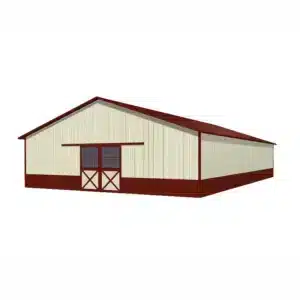
40x60x16 Metal Shop Package | Farm Building (Deposit)
$17,500.00 Add to cart -
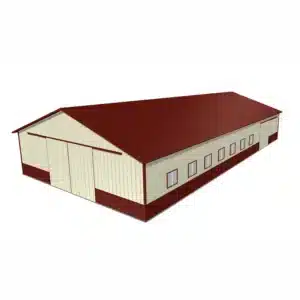
40x80x16 Metal Barn Kit | Steel Farm Building & Machine Shed (Deposit)
$23,500.00 Add to cart -
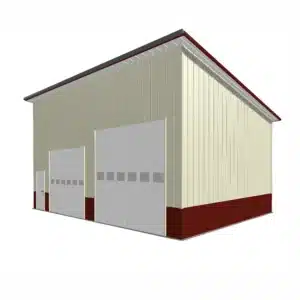
20x32x10 Metal Barn Kit | Steel Building & Garage (Deposit)
$7,500.00 Add to cart -
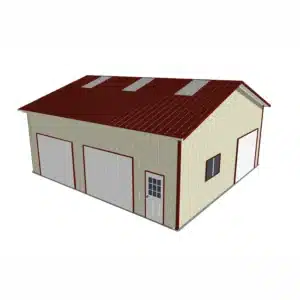
30x30x12 Metal Barn Kit | Steel Farm Shop Building (Deposit)
$8,500.00 Add to cart -
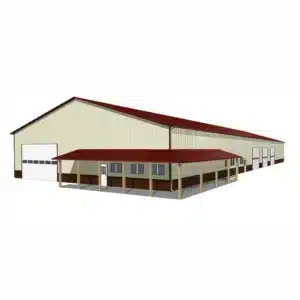
70×180 Agricultural Building Kit (Deposit)
$91,500.00 Add to cart -
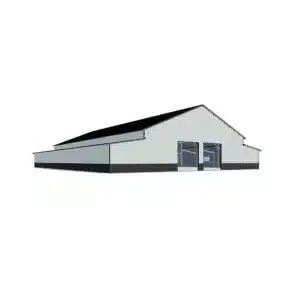
60×120 Monitor Barn Kit with Dual 14′ Lean-tos – Master Series (88×120)(Deposit)
$77,000.00 Add to cart
Insider playbook: financing, rural services, and line-by-line cost control
Financing that actually funds
Here’s the 2026 insider secret: for Building Barndominium in Ontario, local credit unions and agricultural lenders often beat big banks on construction loans for shop-houses. They understand outbuildings, acreage living, and equipment power needs. Bring a code-ready package—engineered drawings, SB-12 target, radon rough-in notes, fire separations, and a realistic schedule—and appraisers have fewer reasons to hesitate. Building Barndominium in Ontario with staged draw schedules (foundation, steel shell, dry-in, MEP, finishes) keeps cash flowing on time. Show your lender the mechanical spec sheet with an eligible cold-climate heat pump and you’re lining up for the up-to-$10,000 Ontario rebate. Need help corralling documents? Reach out via contact and we’ll assemble a lender-friendly binder.
Rural readiness and approvals
Septic/well design, hydro upgrades, and driveway/entrance permits can sink timelines if you wing it. Map utilities early, pull soil tests, and confirm conservation setbacks. Building Barndominium in Ontario succeeds when you plan for equipment access, turning radii for fire trucks, water supply for firefighting where required, and snow storage that doesn’t barricade the shop. Evaluate frost heave risks, ditch grading, and culverts before steel shows up. Coordinate ESA permits for temporary power so trades can ditch the generator chorus, and lock inspection dates early so you’re not staring at a perfect slab while winter arrives fashionably early.
Cost-savings that don’t cut corners
Lock structural decisions first—clear-span width, bay spacing, and door sizes—then shop finishes to fit the budget. Choose standardized panel profiles and window sizes for better lead times. Target an SB-12 tier that pays back with the up-to-$10,000 heat pump rebate and lower bills, rather than chasing expensive bling in hidden rooms. Building Barndominium in Ontario also benefits from smart winter strategies: pour foundations before deep freeze or budget a winter premium for hoarding and heating. Pre-order long-lead items (garage doors, ERVs, electrical gear) to dodge supply snags. Schedule a mid-project blower door test; finding two big leaks can save you more than fiddling with designer faucets. And remember: Building Barndominium in Ontario isn’t about cheap; it’s about durable choices that survive hockey bags, salt-caked trucks, and Labrador tails.
Spec sheet: what to splurge on, what to standardize
Splurge: continuous exterior insulation, triple-pane in high-wind exposures, insulated overhead doors, variable-speed heat pumps, and high-quality air/vapour membranes. Standardize: interior doors and trim profiles, cabinet box sizes, panel profiles, and can lights. Where to DIY? Landscaping, paint, and closet systems. Where not to DIY? Structural steel, air barrier continuity, and anything that makes the inspector raise an eyebrow.
Interprovincial note for the keeners
We get asked about BC all the time. In wildfire-prone parts of BC, non-combustible cladding and ember-resistant soffits are increasingly standard—steel checks those boxes and then some. That doesn’t change the Ontario OBC playbook, but if you own bushland, bring a wildfire lens to site planning: metal roofs, 10 m of defensible space, and screened vents turn flying embers into a shrug instead of a claim.
Ready to plan, price, and permit your Ontario barndominium?
You want a home that works hard, looks sharp, and passes inspection the first time. Building Barndominium in Ontario is your path to open-concept living, a real-deal shop, and energy comfort that makes winter… tolerable. We bring OBC 2026 know-how, SB-12 tier modeling, radon rough-ins, and lender-ready documentation together under one roof. Whether you’re chasing the Black Barndo aesthetic or a light, modern farmhouse, Building Barndominium in Ontario with a clear-span steel frame gets you flexibility today and upgrade room tomorrow. From Ottawa to Simcoe to Waterloo, we translate zoning, plan your service upgrades, and schedule inspections so there are no 11th-hour surprises. If you prefer a head start, our curated building kits pair speed with customization, and our steel buildings in Ontario expertise gets your shell standing fast—winter or not.
Financing? The 2026 insider path for Building Barndominium in Ontario runs through community credit unions and agricultural lenders who understand shop-house appraisals and draw schedules. Energy? We’ll aim you at the right SB-12 tier and the up-to-$10,000 heat pump rebate, then prove performance with blower door tests and commissioning. Permits? We’ll lasso zoning, conservation, and entrance permits before they lasso your timeline. Want broader context before you commit? Explore the bigger picture of a barndominium in Canada and how it stacks up across Ontario regions.
Next steps
1) Share your site and wishlist. 2) Pick your SB-12 strategy and shop layout. 3) Get a transparent, itemized proposal that makes sense over a double-double. Building Barndominium in Ontario can be practical, beautiful, and inspection-proof—let’s make it happen. Start now: tap contact and we’ll book a friendly, code-savvy consult.
Not building to live in? We also supply barn kits in Ontario – drive sheds, farm shops, horse barns and machinery storage, engineered to the same Ontario loads.